
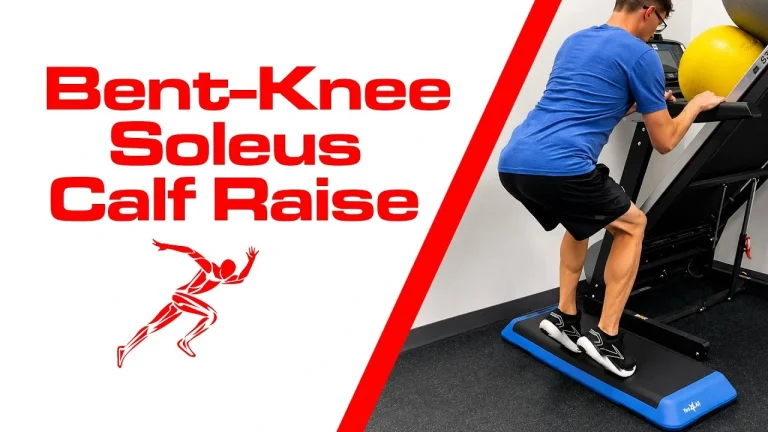
 CalfBent Knee Soleus Calf RaiseA bent-knee calf raise variation that biases the soleus while building calf strength, Achilles capacity, and lower-leg endurance.Equipment: A step or elevated surface and a stable support such as a wall, rail, or treadmill. External resistance can be added as strength improves.View exercise
EPI / Calf / movement collection
Calf Exercises
Strengthen the calf complex with heel raises, soleus-focused variations, and progressive lower-leg loading.
18 free guidesExpert demonstrationsStep-by-step coaching
01 / EXERCISE VIDEOS
Browse exercises
18 exercises in this collection
CalfBent Knee Soleus Calf RaiseA bent-knee calf raise variation that biases the soleus while building calf strength, Achilles capacity, and lower-leg endurance.Equipment: A step or elevated surface and a stable support such as a wall, rail, or treadmill. External resistance can be added as strength improves.View exercise 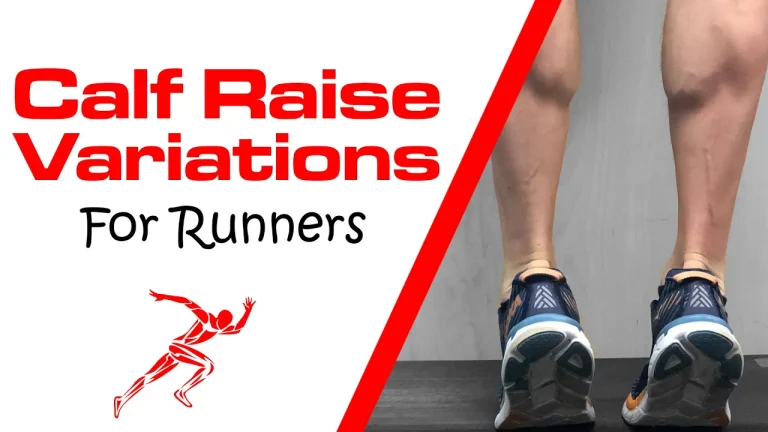 CalfCalf Raise VariationsA simple series of calf raise options for runners—progress from double-leg basics to heavier and more challenging variations to build real calf strength and…Equipment: Optional step, wall for balance, and optional backpack/dumbbells for loading.View exercise
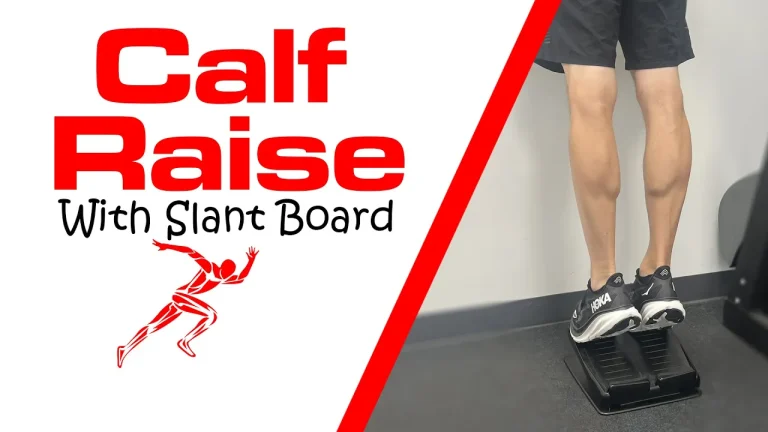 CalfCalf Raise With Slant BoardCalf raises on a slant board to load the calf complex in a lengthened position—great for calf strength, ankle mobility, and Achilles capacity.Equipment: Slant board and a wall or sturdy support (optional).View exercise
 CalfDouble Leg Calf RaiseA foundational calf strength drill—use full control and full range to build calf endurance and push-off strength before progressing to single-leg work.Equipment: Optional step and a wall for support. Optional backpack for load.View exercise
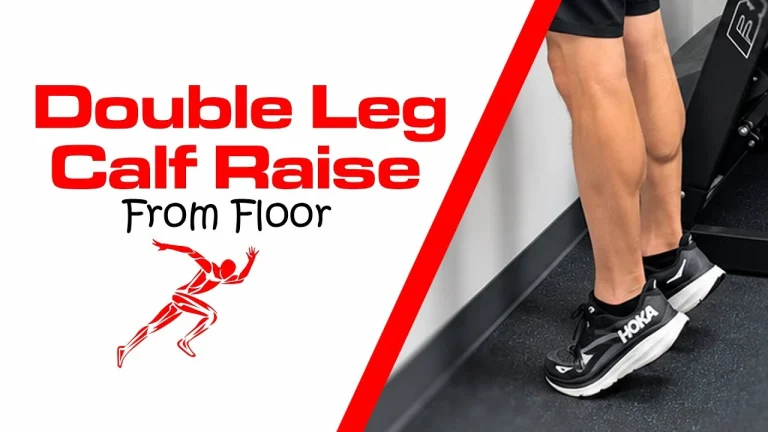 CalfDouble Leg Calf Raise From FloorA basic two-leg calf raise performed from the floor to build calf strength and Achilles loading capacity before progressing to a step or single-leg…Equipment: No equipment is required. A wall, rail, or other stable support can be used for balance.View exercise
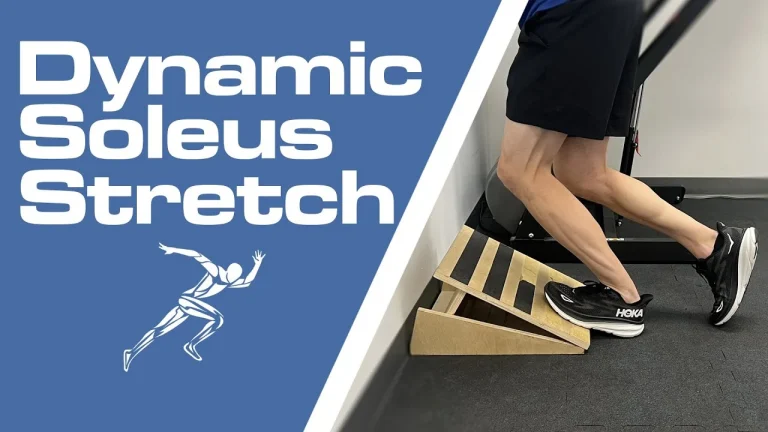 CalfDynamic Soleus StretchA rhythmic, bent-knee ankle mobility drill to improve dorsiflexion and reduce calf stiffness—great before runs, lifting, or as daily mobility.Equipment: Wall/support. Optional small step/curb to adjust range.View exercise
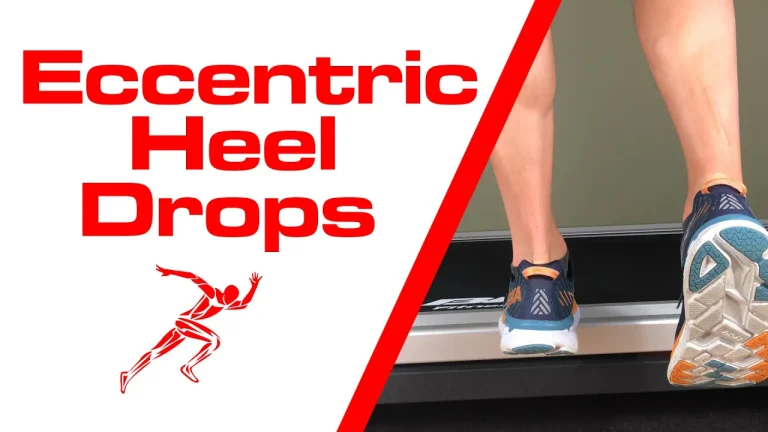 CalfEccentric Heel DropA classic calf/Achilles strengthening drill—use both legs to rise, then lower slowly on one leg to build tendon capacity and eccentric control.Equipment: Step/curb and a wall/rail for balance. Optional backpack for progression.View exercise
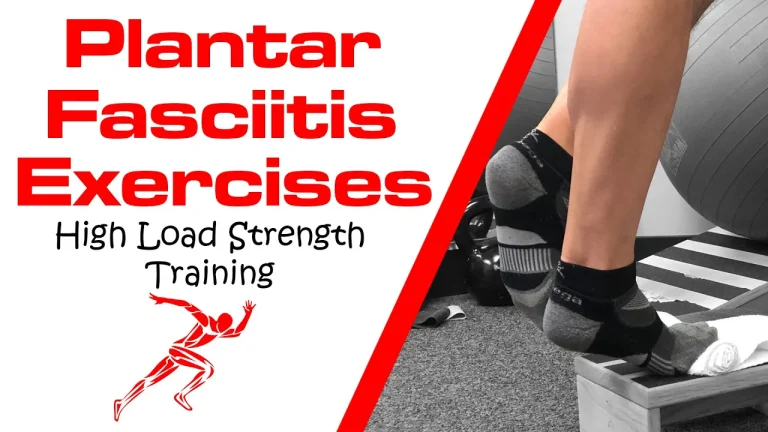 CalfHigh Load Strength Training For Plantar FasciitisA progressive heavy heel-raise protocol (often performed with a towel under the toes) to build plantar fascia and calf capacity for people cleared for…Equipment: A step or raised surface, a rolled towel/toe wedge, and optional backpack/weights for progression.View exercise
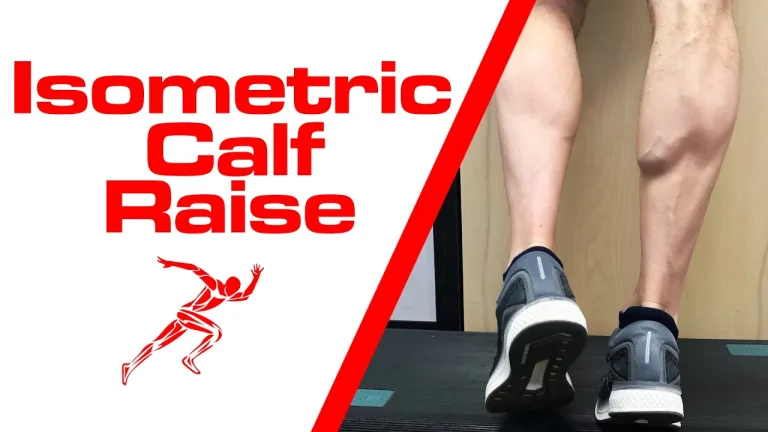 CalfIsometric Calf RaiseA top-position calf raise hold to build early calf/Achilles strength with less motion—excellent when movement is sensitive but loading is needed.Equipment: Wall/support. Optional backpack for added challenge.View exercise
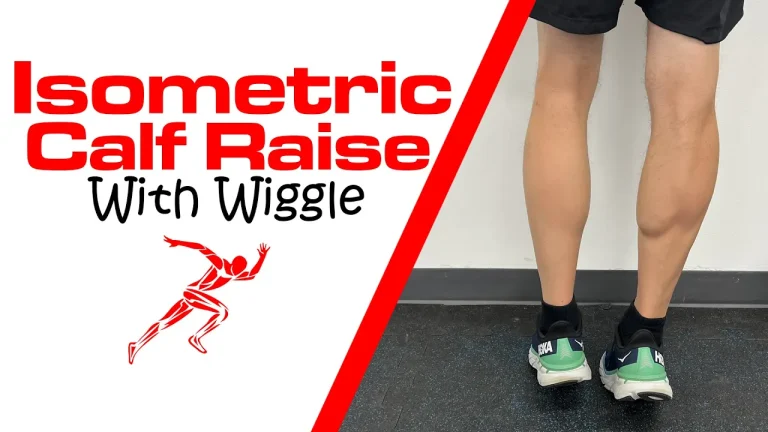 CalfIsometric Calf Raise With WiggleA high-intensity calf hold with tiny up-and-down “wiggles” at the top to increase time under tension and challenge ankle/foot control.Equipment: Wall/support. Optional weight in the free hand or a backpack for progression.View exercise
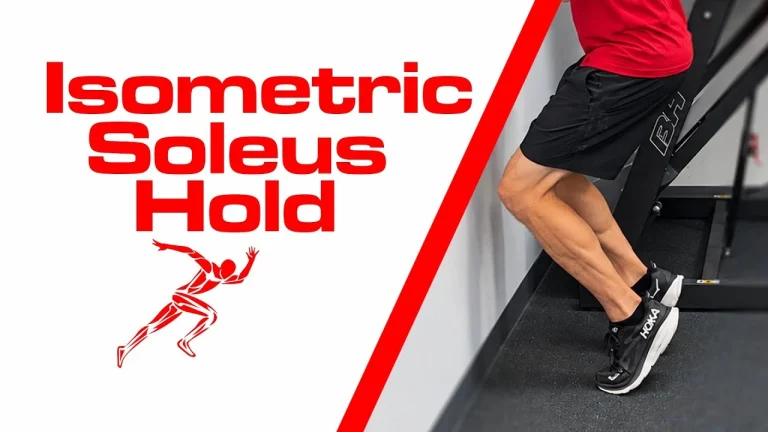 CalfIsometric Soleus HoldA bent-knee isometric calf hold that emphasizes the soleus and Achilles complex while building lower-leg strength and endurance without repeated movement.Equipment: A wall, treadmill, rail, or other stable support for balance. External load can be added as strength improves.View exercise
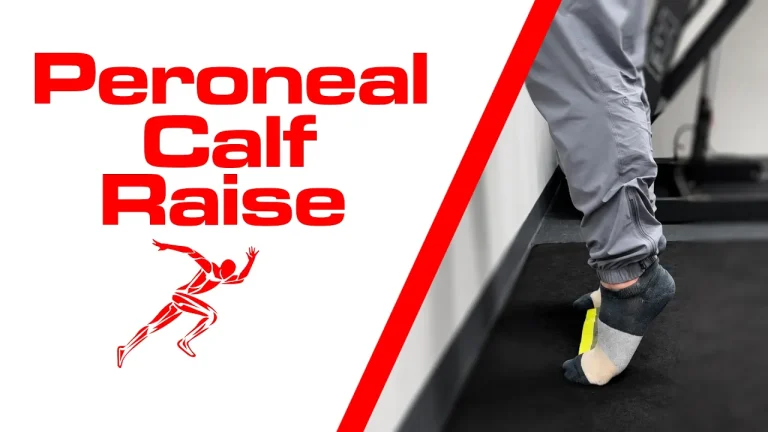 CalfPeroneal Calf RaiseA calf raise variation that biases the peroneal muscles to improve ankle stability, lateral lower-leg strength, and control along the outside of the foot…Equipment: No equipment needed, though a wall or stable surface can help with balance if needed.View exercise
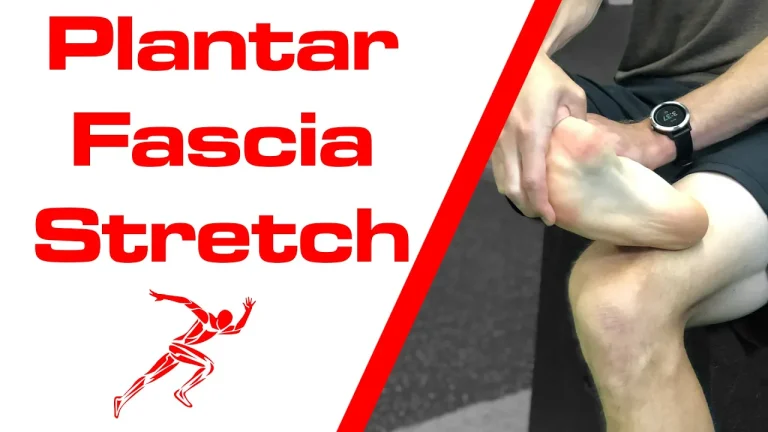 CalfPlantar Fascia StretchA tissue-specific seated stretch that tensions the plantar fascia (not just the calf) to help with morning stiffness, first-step pain, and arch tightness.Equipment: No equipment. A chair for a comfortable seated position.View exercise
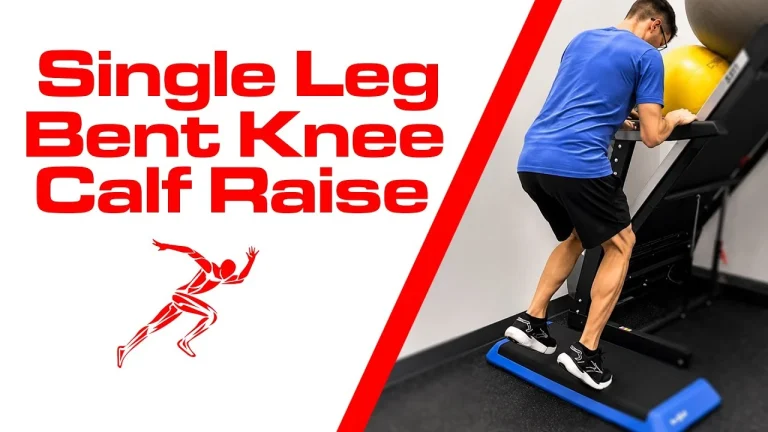 CalfSingle Leg Bent Knee Calf RaiseA single-leg bent-knee calf raise that increases soleus demand while challenging calf strength, Achilles capacity, and lower-leg control.Equipment: A step or elevated surface and a stable support for balance. External resistance can be added as strength improves.View exercise
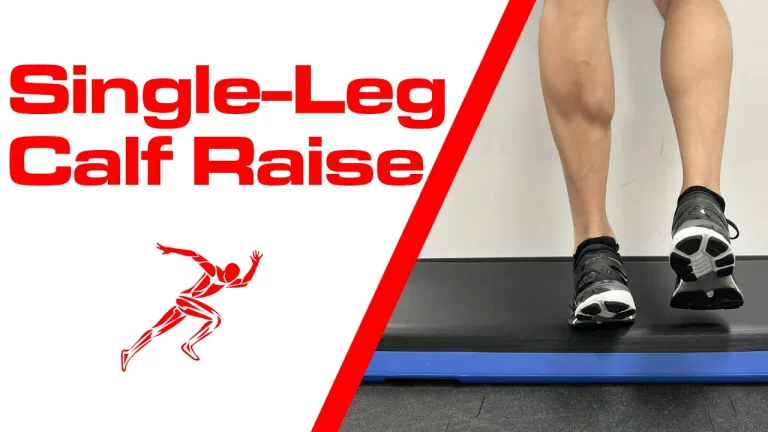 CalfSingle-Leg Calf RaiseA powerful unilateral calf exercise to build calf strength, Achilles resilience, and side-to-side symmetry—important for running, jumping, and injury prevention.Equipment: Optional step and wall/support. Optional backpack/dumbbells for loading.View exercise
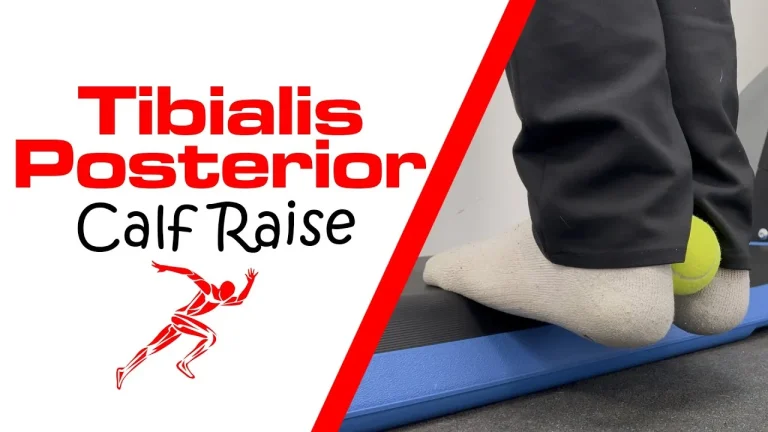 CalfTibialis Posterior Calf RaiseA calf raise variation biased toward the medial foot to target tibialis posterior and support arch control—useful for overpronation tendencies and medial ankle strength.Equipment: Optional small ball (between ankles), step or flat ground, and optional backpack for load.View exercise
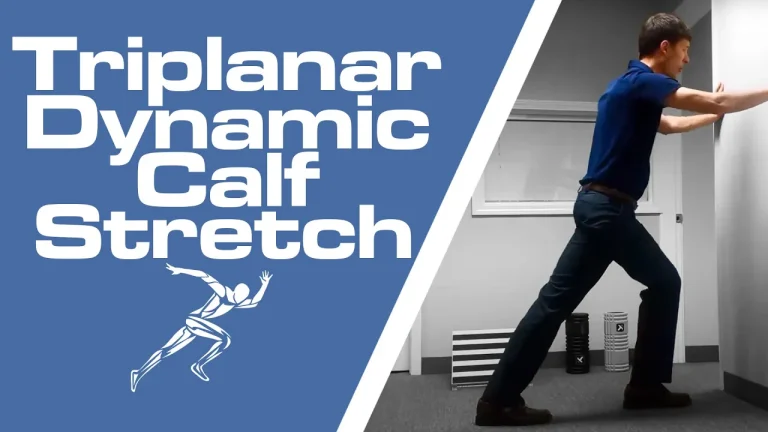 CalfTriplanar Dynamic Calf StretchA movement-based calf mobility exercise that uses forward, side-to-side, and rotational motion to address the calf and lower leg through multiple planes.Equipment: A slant board or small wedge is helpful but not required. A wall, rack, or other stable surface may be used for balance.View exercise
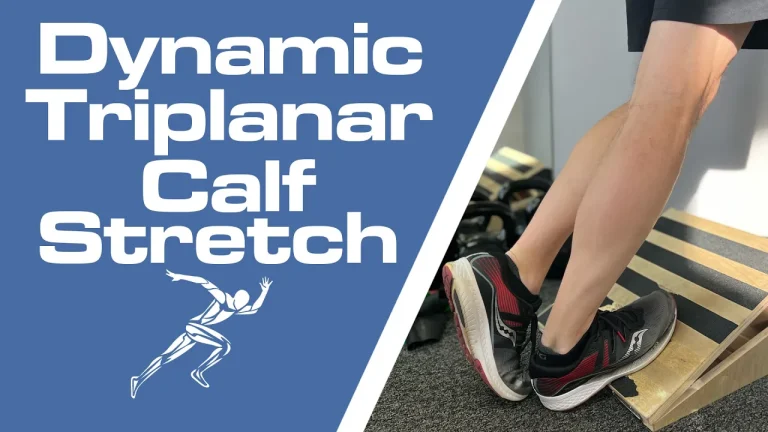 CalfTriplanar Dynamic Calf Stretch With Slant BoardA dynamic slant-board calf mobility drill that moves forward, sideways, and rotationally to open up the ankle in all three planes—great for stiff calves…Equipment: Slant board and a wall/support (optional).View exercise
No exercises match this search. Try a different keyword or clear your search.
02 / THE MOVEMENT
A stronger calf begins with consistent loading
Browse calf and soleus exercises that train the lower leg across different knee positions and loading demands. The gastrocnemius and soleus both contribute to walking, running, jumping, and deceleration, but their exercise emphasis can differ with knee position.
03 / HELPFUL GUIDANCE
Common questions
What is the difference between straight-knee and bent-knee calf raises?
Both load the plantar flexors, but bent-knee variations tend to increase the relative contribution of the soleus by shortening the gastrocnemius.
How often should I train calves?
Frequency depends on training load, recovery, and the purpose of the program. Allow time to recover from demanding sessions and progress gradually.
These exercise demonstrations are for general education, not an individualized diagnosis or treatment plan. Modify or stop activities that worsen symptoms and seek appropriate guidance when needed.