
Isometric Calf Raise
A top-position calf raise hold to build early calf/Achilles strength with less motion—excellent when movement is sensitive but loading is needed.
EPI video demonstration · Watch on YouTube
Muscles Targeted
Calf complex (gastroc/soleus), Achilles tendon, and foot/ankle stabilizers.
Key Benefits
- Builds calf strength without repetitive motion
- Great early option for Achilles sensitivity
- Easy to scale by height (full vs partial hold)
- Progresses well to single-leg and weighted work
Equipment Needed
Wall/support. Optional backpack for added challenge.
How to Perform
- Rise onto your toes (both legs) and find a stable top position.
- Hold the position with steady pressure through the ball of the foot.
- Use a wall for balance so the calves stay the limiter.
- Progress by holding higher, longer, or moving toward single-leg.
Programming Options
- 3–5 holds of 20–45 seconds
- Rest 45–90 seconds between holds
- Progress with single-leg holds or backpack load
When to Use It
Early tendon loading, warm-ups, or low-impact calf work when full reps are not tolerated yet.
Related Calf Exercises
For full calf strength progressions, visit Calf Exercises.
Frequently Asked Questions
Should I hold at the very top?
If it’s comfortable, yes. If the bottom of the Achilles is sensitive, a slightly lower hold can be a better starting point.
What if I cramp?
Shorten the hold and build up gradually. Also focus on steady breathing and a relaxed foot—no toe clawing.
How do I progress this?
Increase hold time, add a backpack, or transition to single-leg isometrics once you can hold cleanly.
More exercises in this collection
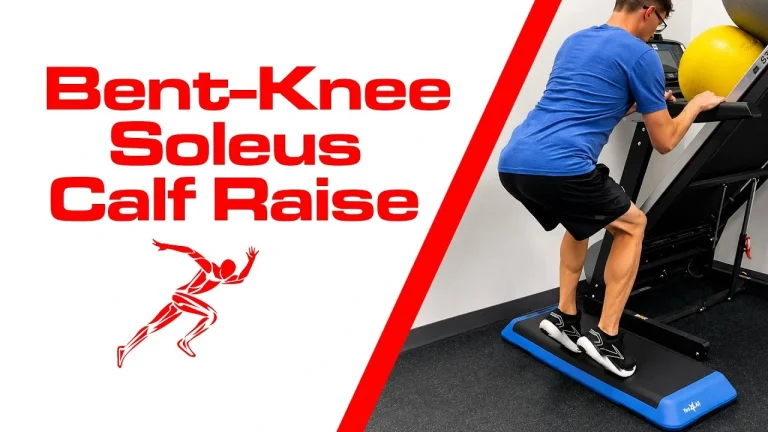
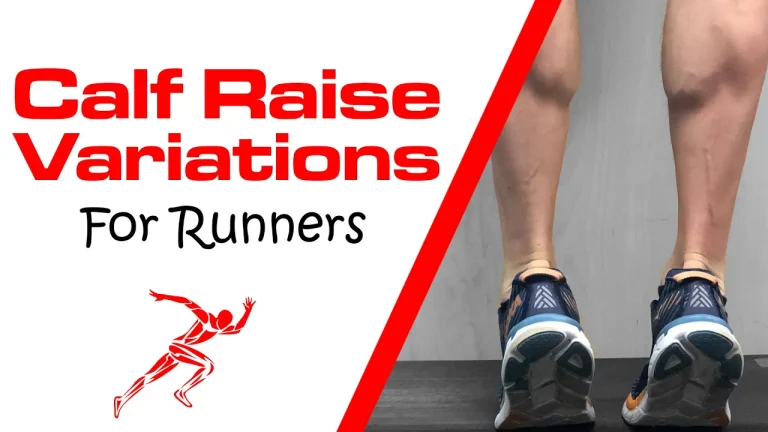
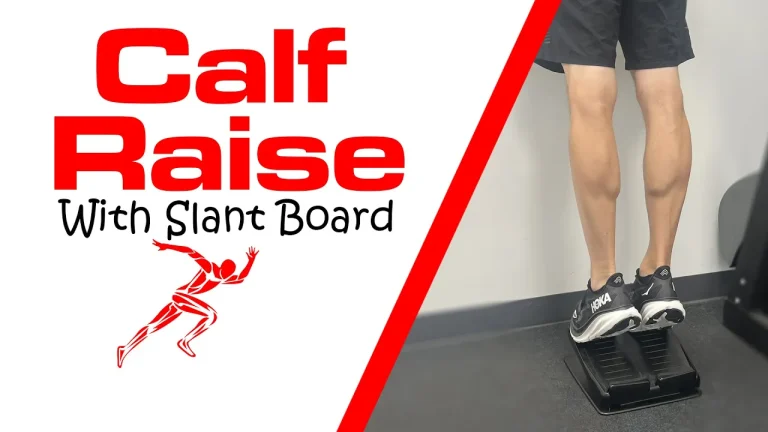
Explore other videos in Calf Exercises. These movements are related by category, not necessarily direct progressions.

Educational exercise information only. This is not an individualized treatment plan. Modify or stop any exercise that worsens symptoms, and seek appropriate professional guidance when needed.