
Triplanar Dynamic Calf Stretch
A movement-based calf mobility exercise that uses forward, side-to-side, and rotational motion to address the calf and lower leg through multiple planes.
EPI video demonstration · Watch on YouTube
Muscles Targeted
Gastrocnemius, soleus, tibialis posterior, peroneals, and other muscles that help control the calf, ankle, and lower leg.
Key Benefits
- Moves the calf and lower leg through multiple planes
- Improves dynamic calf mobility
- Addresses more than straight-ahead calf stretching
- Can be incorporated into a running or athletic warm-up
- May help reduce feelings of calf and lower-leg stiffness
Equipment Needed
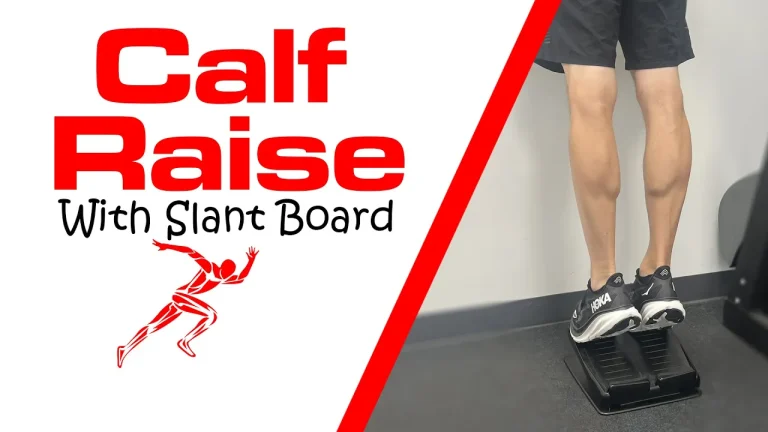
A slant board or small wedge is helpful but not required. A wall, rack, or other stable surface may be used for balance.
How to Perform the Triplanar Dynamic Calf Stretch
- Place one foot on a slant board or wedge with the heel down and the toes elevated.
- Keep the foot pointing generally forward and maintain full heel contact.
- Slowly shift your body forward over the foot and then return to the starting position.
- Next, shift your hips gently from side to side while keeping the foot planted.
- Add controlled rotational movement by turning the hips and trunk slightly inward and outward over the planted foot.
- Move smoothly through each direction without forcing the calf or ankle into pain.
- Repeat the sequence on the opposite side.
Programming Options
- Perform 5–10 controlled movements in each direction
- Complete 1–2 rounds on each side
- Use before running as part of a dynamic warm-up
- Use after training or on recovery days for mobility work
- Keep the knee straighter to emphasize the gastrocnemius
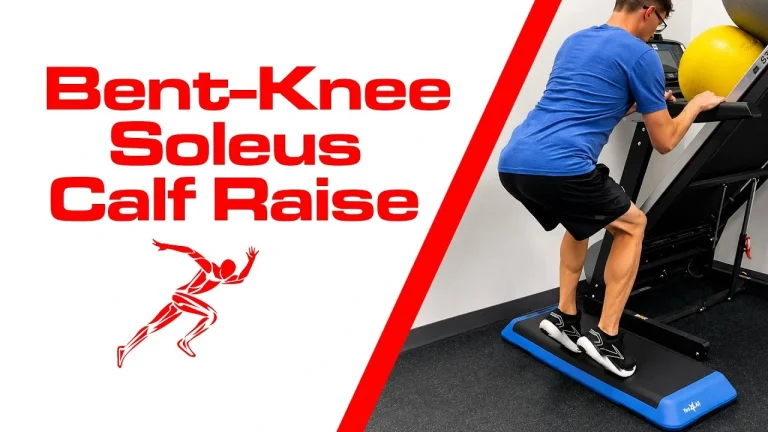
- Add a slight knee bend to place more emphasis on the soleus
Why This Variation Works
Traditional calf stretching usually moves the body only straight forward over the foot. The triplanar dynamic variation adds side-to-side and rotational movement, exposing the calf and lower leg to directions that occur during running, walking, cutting, and other athletic movements.
When to Use It
This exercise can be used when the calves or lower legs feel stiff, as part of a running warm-up, during Achilles or plantar fascia rehabilitation, or before strength and athletic movements that require adequate lower-leg mobility.
Related Calf Exercises
For more calf mobility, Achilles loading, and lower-leg strengthening exercises, visit the complete Calf Exercises category.
Frequently Asked Questions
Why move in three different directions?
The calf and lower leg must control forward, side-to-side, and rotational movement during running and athletic activity. Moving through all three directions creates a more complete mobility drill than a straight-ahead calf stretch alone.
Should my heel stay down?
Yes. Keeping the heel planted helps direct the movement through the calf and lower leg. Reduce the range if the heel begins to lift.
Should my knee be straight or bent?
A straighter knee places more emphasis on the gastrocnemius. A slightly bent knee generally places more emphasis on the soleus and deeper calf region.
Can I perform this without a slant board?
Yes. It can be performed on level ground or with the forefoot elevated on a small wedge, plate, or other stable surface.
Should I hold each position?
This is intended to be a dynamic stretch. Move slowly into and out of each direction rather than holding one position for an extended period.
Should the stretch be painful?
You may feel calf tension or lower-leg stiffness, but the movement should not cause sharp pain. Reduce the range or stop if symptoms increase.
More exercises in this collection
Explore other videos in Calf Exercises. These movements are related by category, not necessarily direct progressions.

Educational exercise information only. This is not an individualized treatment plan. Modify or stop any exercise that worsens symptoms, and seek appropriate professional guidance when needed.