
Calf Raise With Slant Board
Calf raises on a slant board to load the calf complex in a lengthened position—great for calf strength, ankle mobility, and Achilles capacity.
EPI video demonstration · Watch on YouTube
Muscles Targeted
Gastrocnemius, soleus, Achilles tendon complex, and ankle plantarflexors.
Key Benefits
- Loads the calf in more dorsiflexion (bottom-end strength)
- Encourages full range with controlled tempo
- Easy to keep balance with wall support
- Progresses well with backpack or dumbbells
Equipment Needed
Slant board and a wall or sturdy support (optional).
How to Perform
- Stand on the slant board and hold a wall for balance if needed.
- Rise up onto your toes with control.
- Pause briefly at the top.
- Lower slowly into the bottom position.
Programming Options
- 2–4 sets of 8–15 reps
- Tempo option: 3 seconds down, 1 second up
- Load progression: backpack, dumbbells, or single-leg
When to Use It
Great for runners, jumpers, and Achilles-focused calf training—especially if you want more bottom-range work.
Related Calf Exercises
For more calf strength and tendon loading options, visit Calf Exercises.
Frequently Asked Questions
Should my heels go all the way down?
Only if it’s comfortable. Start with a smaller range and gradually work deeper as tolerance improves.
Is this better than a regular step?
It’s different. The slant board biases dorsiflexion and can feel smoother for some people compared to hanging off a step.
What if I feel pinching at the front of the ankle?
Reduce the depth and slow the tempo. If it persists, use flat ground and build tolerance first.
More exercises in this collection
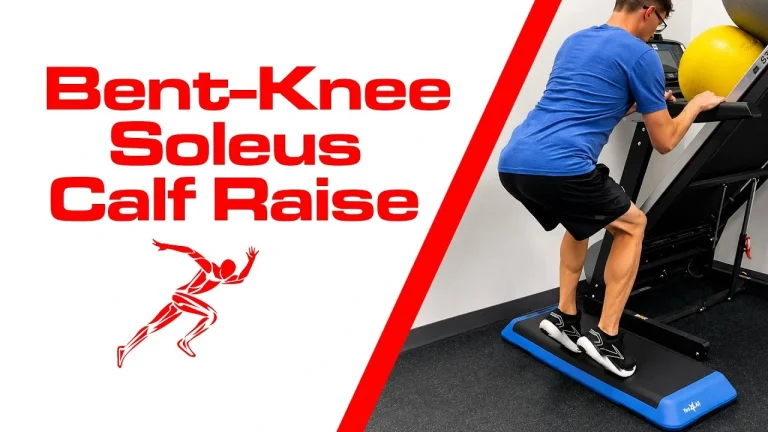
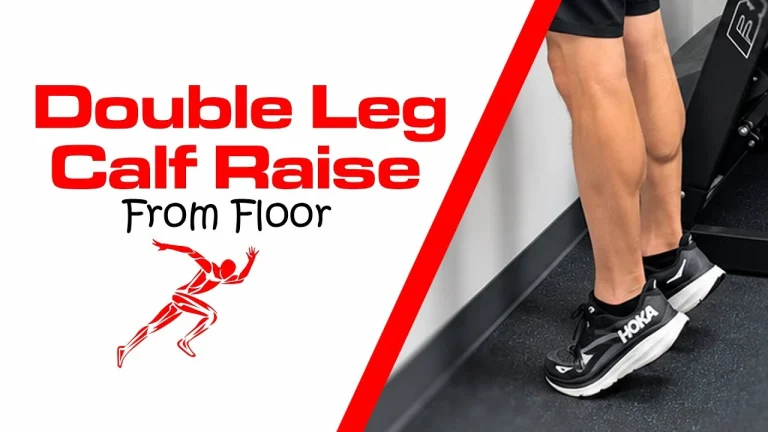
Explore other videos in Calf Exercises. These movements are related by category, not necessarily direct progressions.

Educational exercise information only. This is not an individualized treatment plan. Modify or stop any exercise that worsens symptoms, and seek appropriate professional guidance when needed.