
Isometric Calf Raise With Wiggle
EPI video demonstration · Watch on YouTube
A high-intensity calf hold with tiny up-and-down “wiggles” at the top to increase time under tension and challenge ankle/foot control.
About this movement
Muscles Targeted
Calf complex (especially gastroc), Achilles tendon complex, and intrinsic foot/ankle stabilizers.
Key Benefits
- Huge time-under-tension stimulus for calf endurance
- Challenges control at end-range plantarflexion
- Easy to scale: smaller wiggle is harder
- Great finisher for runners and jumpers
Equipment Needed
Wall/support. Optional weight in the free hand or a backpack for progression.
When to Use It
Late-stage calf/Achilles work, performance training, or as a finisher when you want a serious calf burn.
How to perform Isometric Calf Raise With Wiggle
How to Perform
- Rise up on one leg into a strong top position.
- Hold steady and add a very small up/down wiggle.
- Keep the heel high and the movement controlled.
- Switch sides and repeat.
Make every rep count
- Follow the setup and movement demonstrated in the video.
- Keep the movement controlled and adjust the range or load if your technique changes.
- Continue breathing normally and pause when you need to reset.
How to use it
Programming Options
- 20–45 seconds per side
- 2–4 rounds
- Progress by adding load or extending time (without losing control)
Explore related exercises
Related Calf Exercises
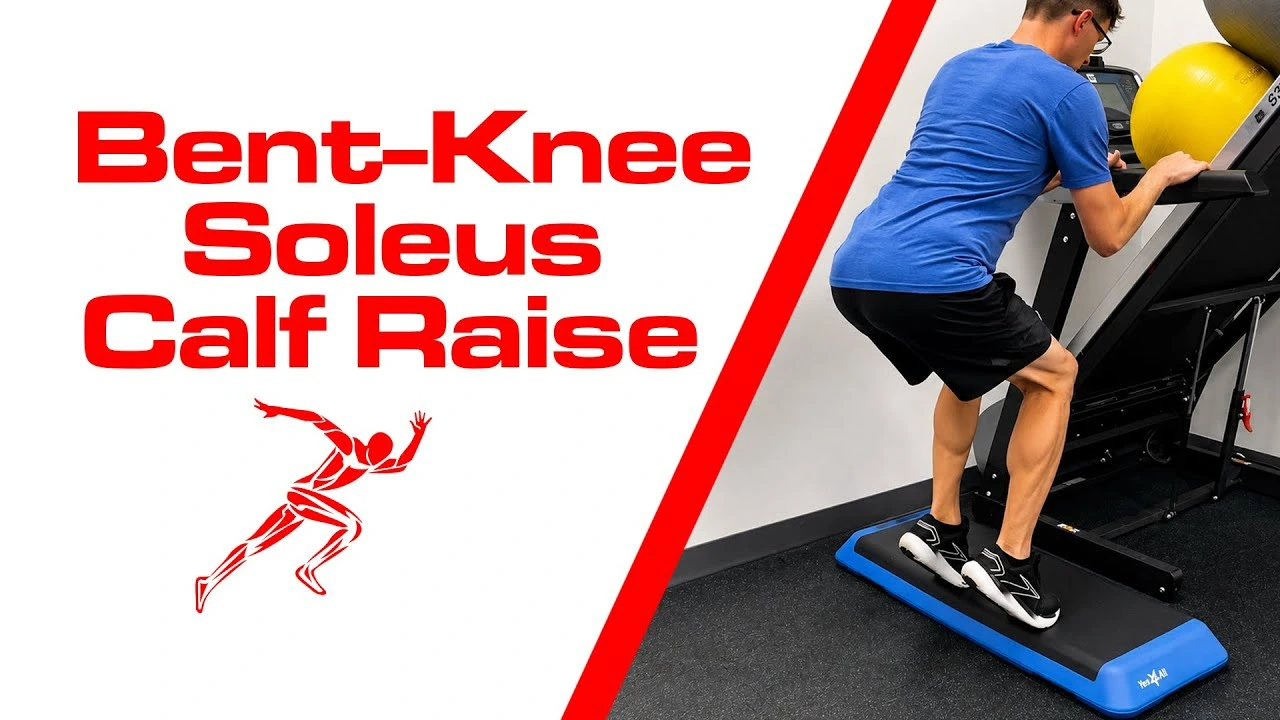
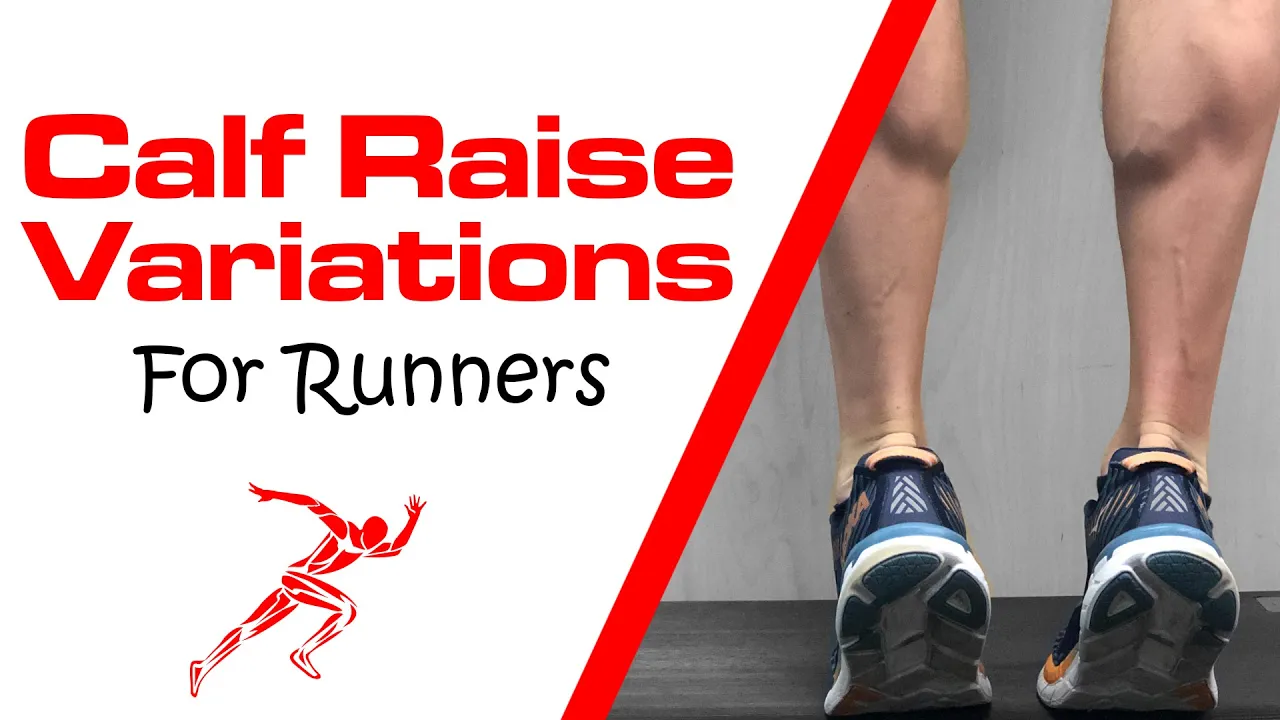
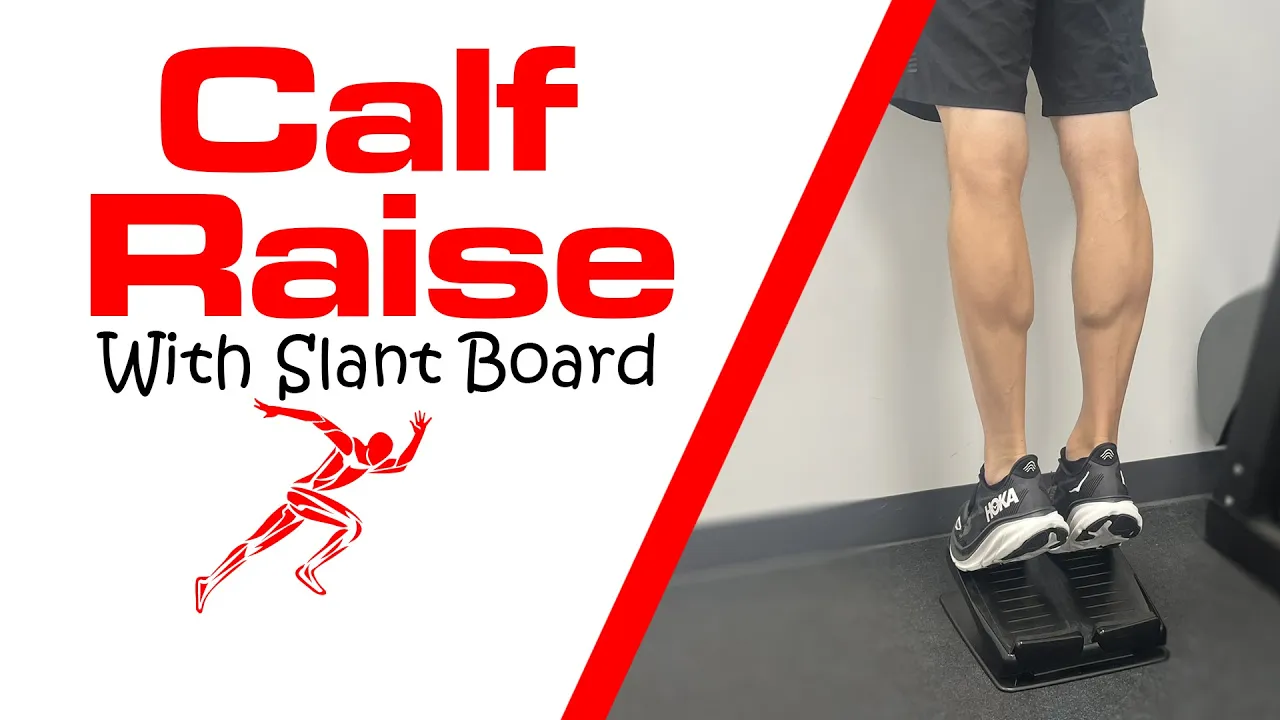
Explore Calf Exercises for foundational and progression drills.
Explore related demonstrations. These are options to explore, not automatic exercise progressions.
Common questions
How small should the wiggle be?
Smaller is better. Think “micro pulses” while keeping the heel high and steady.
Why am I losing balance?
Use a wall and slow down. Balance should support the work, not become the limiter.
Can I do this if my Achilles is irritated?
This is more intense than a plain isometric. If you’re sensitive, start with a basic hold first and build up.
Educational exercise information only. This is not an individualized treatment plan. Modify or stop any exercise that worsens symptoms, and seek appropriate professional guidance when needed.