
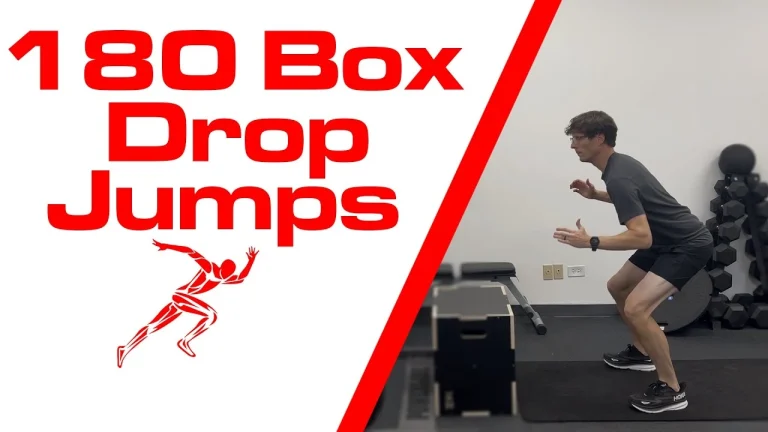
 Plyometric180 Box Drop JumpsAn advanced plyometric drill that combines a box drop, 180° rotation, and a controlled stick landing to train reactive power and multi-directional landing mechanics.Equipment: A sturdy box or platform and a clear landing area. Optional: softer surface/pad if appropriate.View exercise
EPI / Plyometrics / movement collection
Plyometric Exercises
Develop explosive movement and landing control with jumps, hops, bounds, and progressive plyometric drills.
6 free guidesExpert demonstrationsStep-by-step coaching
01 / EXERCISE VIDEOS
Browse exercises
6 exercises in this collection
Plyometric180 Box Drop JumpsAn advanced plyometric drill that combines a box drop, 180° rotation, and a controlled stick landing to train reactive power and multi-directional landing mechanics.Equipment: A sturdy box or platform and a clear landing area. Optional: softer surface/pad if appropriate.View exercise 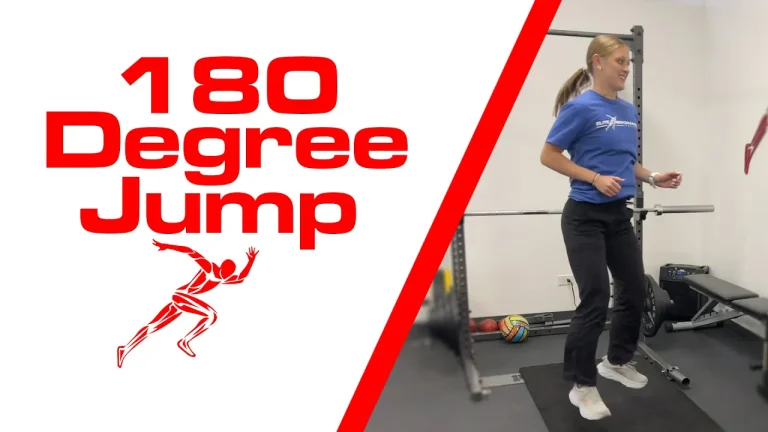 Plyometric180 Degree Jump Coordination DrillA quarter- to half-squat jump with a 180° turn that challenges coordination, multi-directional control, and precise landings for athletes who already tolerate impact work.Equipment: None. Optional: softer surface or mat if appropriate.View exercise
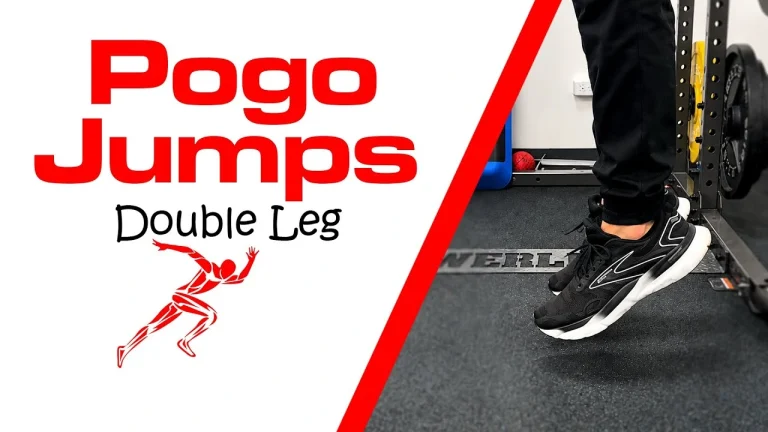 PlyometricDouble-Leg Pogo JumpsSmall, quick two-leg jumps that train ankle stiffness, elastic lower-leg strength, rhythm, and repeated ground-contact control for running and jumping.Equipment: No equipment is required. Use a clear, level surface with enough room to jump safely.View exercise
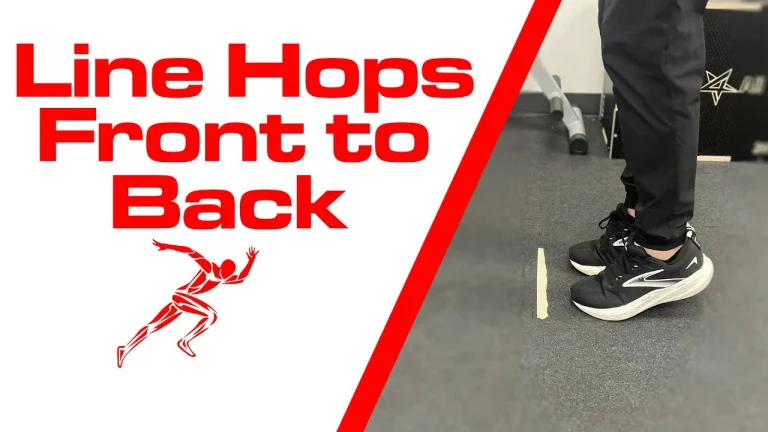 PlyometricLine Hops Front To BackQuick, small front-to-back hops over a line to build rhythm, ankle/foot reactivity, and low-level plyometric tolerance before progressing to bigger jumps or single-leg work.Equipment: A visible line (tape, chalk, seam in flooring, or a stick).View exercise
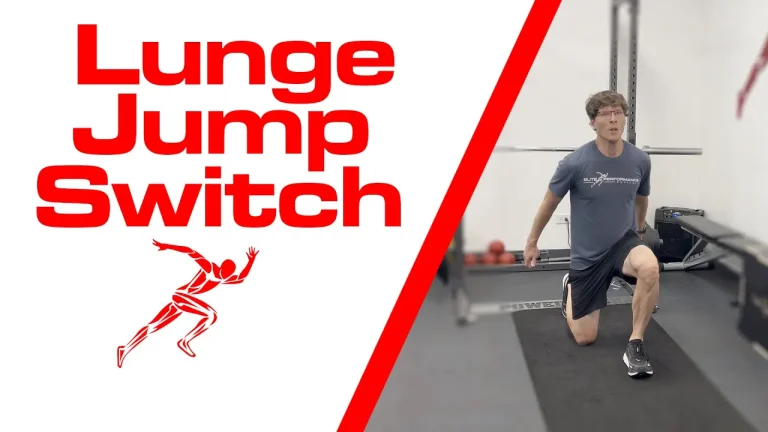 PlyometricLunge Jump SwitchExplosive switch jumps from a split-stance lunge to build power, coordination, and controlled landings—great for athletes who sprint, jump, and cut.Equipment: None. Supportive shoes recommended.View exercise
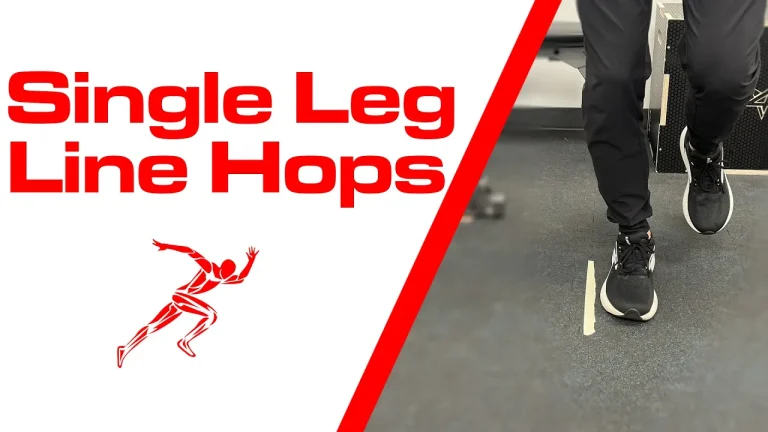 PlyometricSingle Leg Line HopsQuick, controlled side-to-side hops over a line on one leg to build single-leg stiffness, balance, and repeatable plyometric control with minimal setup.Equipment: A visible line on the ground (tape, chalk, seam, or a stick).View exercise
No exercises match this search. Try a different keyword or clear your search.
02 / THE MOVEMENT
Train the jump—and the landing
Plyometrics help athletes practice rapid force production and absorption. This library includes movements with different demands on impact, coordination, direction, and reactive strength, from foundational landings to advanced jumps and bounds.
03 / HELPFUL GUIDANCE
Common questions
Are plyometrics only for advanced athletes?
No. Low-level hops and controlled landing drills can form entry points, while depth jumps and complex bounds require greater strength and preparation.
How many jumps should I perform?
There is no single count for everyone. Choose volume based on intensity, experience, sport demands, and recovery.
These exercise demonstrations are for general education, not an individualized diagnosis or treatment plan. Modify or stop activities that worsen symptoms and seek appropriate guidance when needed.