
Single-Leg RDL
EPI video demonstration · Watch on YouTube
Classic single-leg hinge to load hamstrings and glutes while training balance, trunk stiffness, and hip control under real-world demand.
About this movement
Muscles Targeted
Hamstrings, glute max, glute med (stability), foot/ankle stabilizers, and trunk stabilizers.
Key Benefits
- High unilateral hamstring loading with strong athletic carryover
- Improves balance and hip control under hinge demand
- Reinforces a clean hinge pattern for running and sport
- Works well bodyweight or loaded
Equipment Needed
Optional: dumbbells, kettlebell, or barbell. Bodyweight is fine to learn the pattern.
Why This Variation Works
It loads the hamstrings at longer lengths while demanding pelvic control—two qualities that matter for efficient, resilient running mechanics.
When to Use It
Runner strength plans, posterior chain blocks, and single-leg control phases (great alongside Nordics and sliders).
How to perform Single-Leg RDL
How to Perform
- Stand on one leg and keep a soft bend in the knee.
- Hinge hips back as the free leg reaches behind you.
- Keep ribs down and spine long.
- Stop when you feel a strong hamstring stretch and can stay controlled.
- Drive hips forward to stand tall and repeat.
Make every rep count
- Follow the setup and movement demonstrated in the video.
- Keep the movement controlled and adjust the range or load if your technique changes.
- Continue breathing normally and pause when you need to reset.
How to use it
Programming Options
- 3–5 sets of 6–10 reps per side
- Tempo option: 3 seconds down, 1 second up
- Rest 2 minutes between sets
Explore related exercises
Related Hamstring Exercises
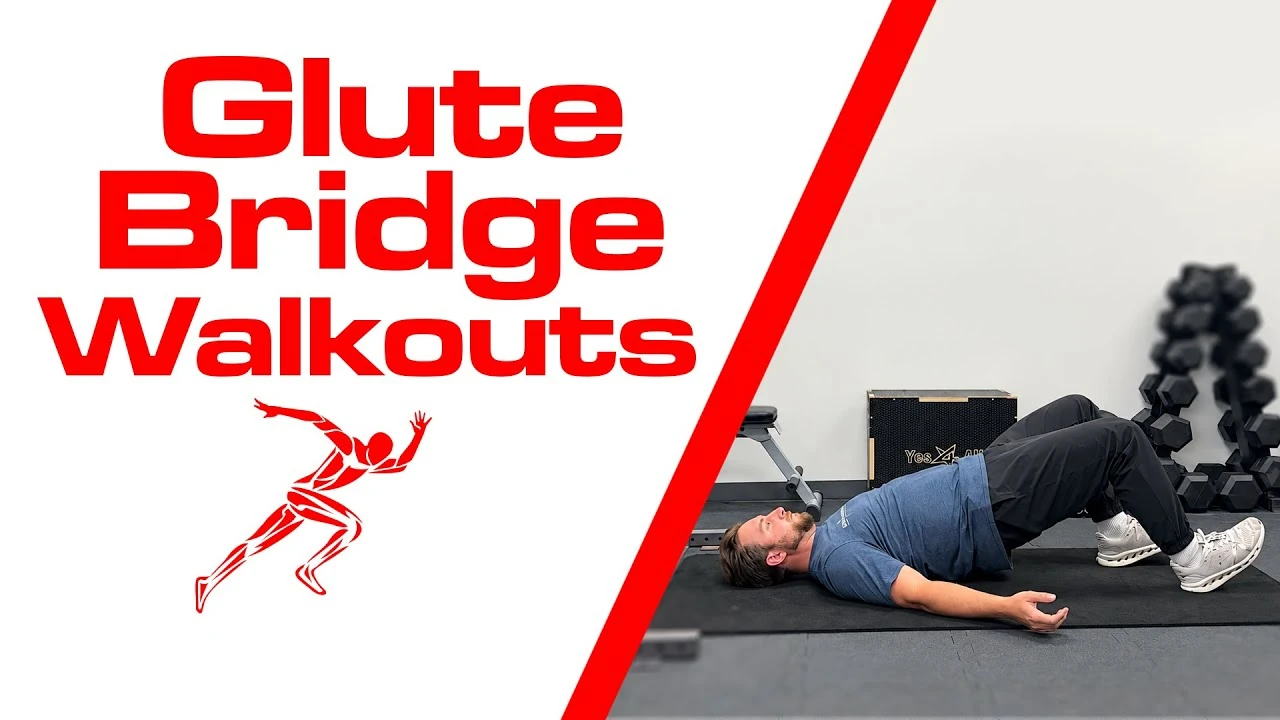
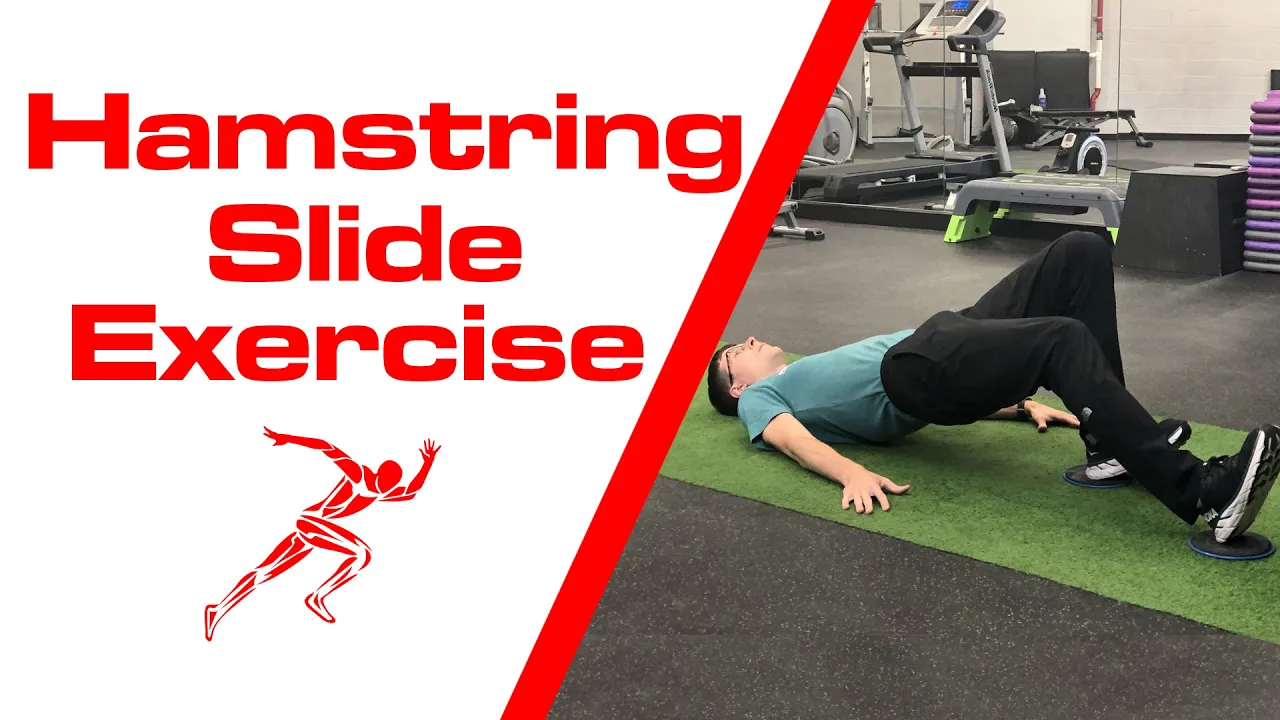
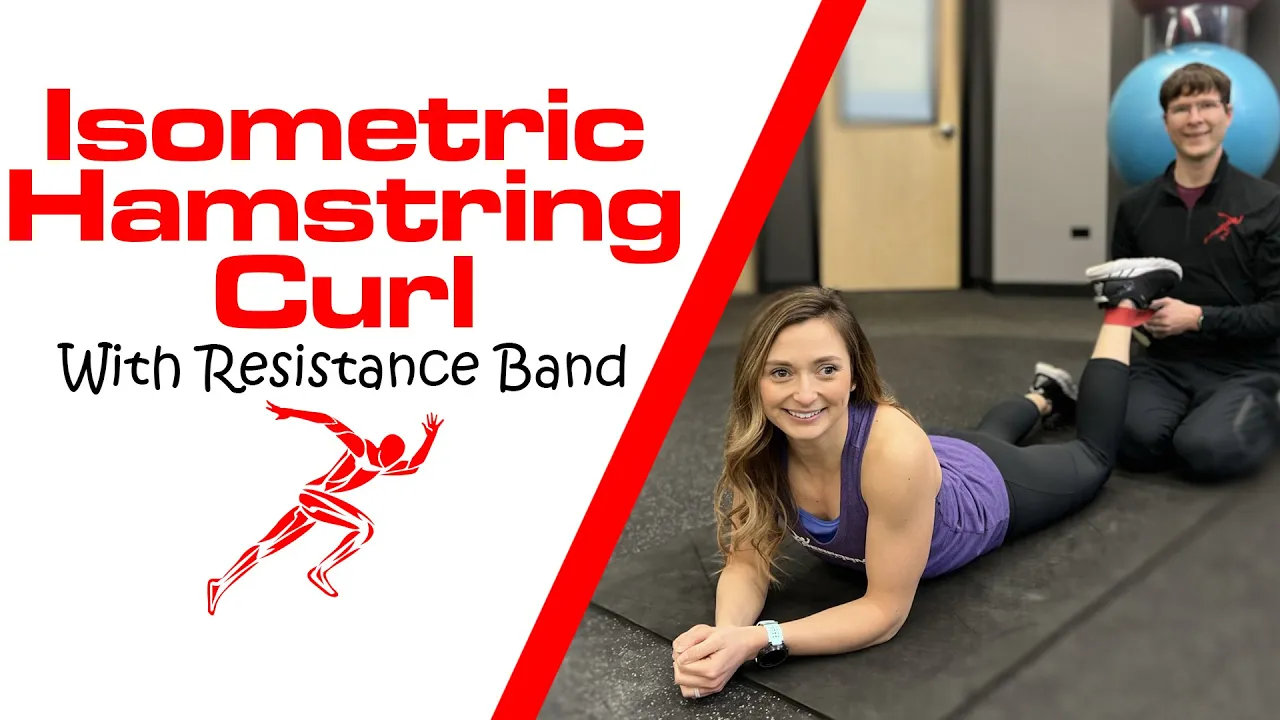
Explore the Hamstring Exercises category for kickstand RDLs, Swiss ball curls, sliders, and Nordics.
Explore related demonstrations. These are options to explore, not automatic exercise progressions.

Common questions
Do I need to touch the weight to the ground?
No—range is earned. Stop where you can keep hips square and spine long.
What if I lose balance?
Start with a kickstand RDL or use a light hand support until control improves.
Should I feel this more in glute or hamstring?
Both is normal. Slightly more hamstring stretch usually happens with a deeper hinge and steady hips.
Educational exercise information only. This is not an individualized treatment plan. Modify or stop any exercise that worsens symptoms, and seek appropriate professional guidance when needed.