
Foot Elevated Single-Leg Glute Bridge
EPI video demonstration · Watch on YouTube
A challenging single-leg bridge progression using foot elevation to increase range of motion and demand on the glutes, hamstrings, and trunk control.
About this movement
Muscles Targeted
Glute max, hamstrings, deep core stabilizers, and hip stabilizers.
Key Benefits
- Increases range of motion vs. standard single-leg bridges
- Builds posterior chain strength with minimal equipment
- Challenges pelvic control and anti-extension trunk strength
- Easy to progress by elevating higher or adding pauses
Equipment Needed
Bench/chair/box (about 12–20 inches) and a mat.
Why This Variation Works
Elevation increases the hip extension demand and makes you “own” pelvic position—great for building single-leg posterior chain capacity for running and sport.
When to Use It
Posterior chain strengthening blocks, runner strength plans, and as a progression from standard single-leg glute bridges.
How to perform Foot Elevated Single-Leg Glute Bridge
How to Perform
- Place one heel on the elevated surface and keep the other leg off the floor.
- Brace and drive through the heel to lift hips.
- Finish with hips level—don’t let one side drop.
- Lower slowly and repeat without losing tension.
- Switch sides and keep reps symmetrical.
Make every rep count
- Follow the setup and movement demonstrated in the video.
- Keep the movement controlled and adjust the range or load if your technique changes.
- Continue breathing normally and pause when you need to reset.
How to use it
Programming Options
- 2–4 sets of 6–12 reps per side
- Option: 2–3 second hold at the top
- Progression: increase elevation or add a slow lowering phase
Explore related exercises
Related Glute Exercises
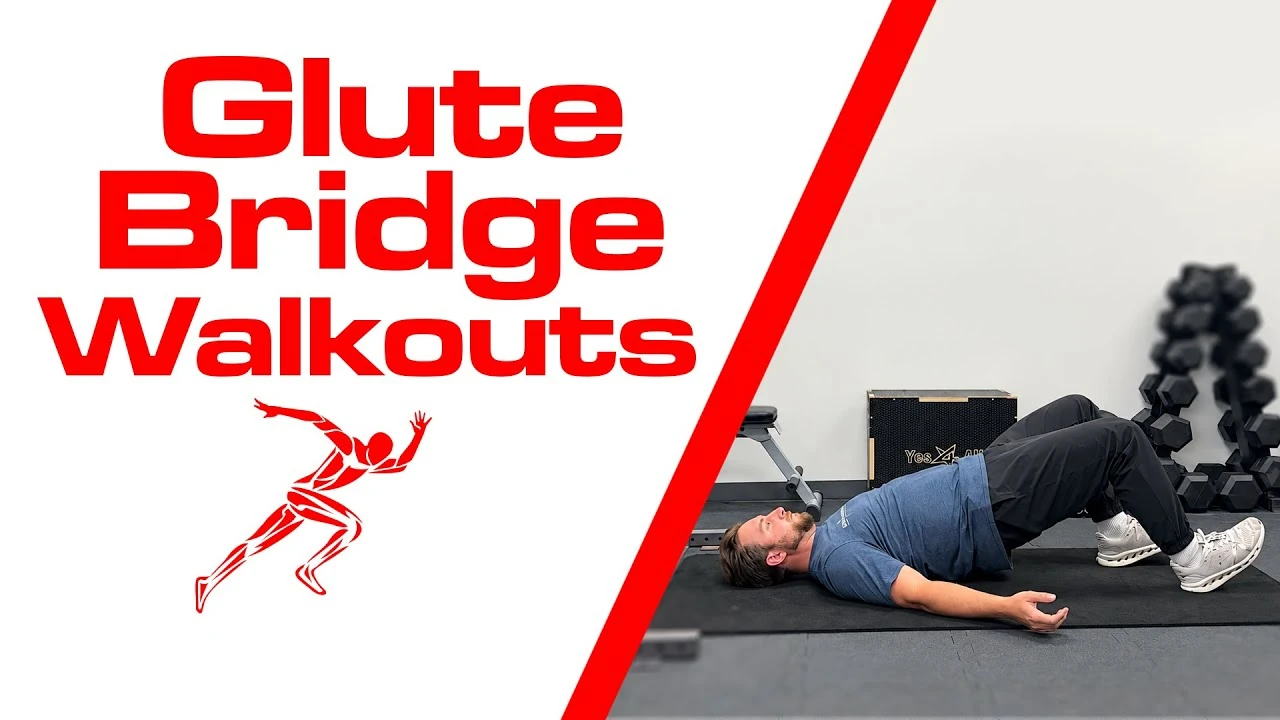
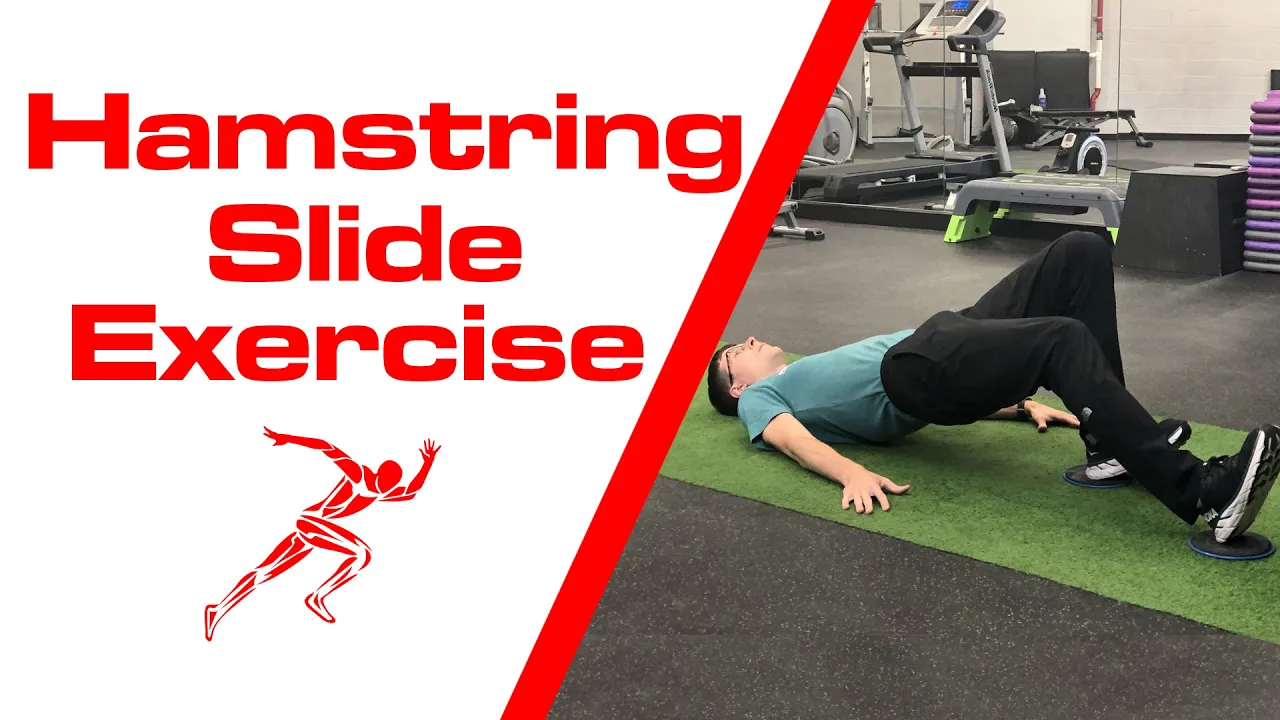
For more bridge progressions, visit Glute Exercises.
Explore related demonstrations. These are options to explore, not automatic exercise progressions.
Common questions
Where should I feel this?
Mostly glute and hamstring on the working side. If you feel it in the low back, reduce height and brace harder.
Should my toes be up?
A slight “toes up” cue can help keep heel drive. The main goal is stable foot contact and strong hip extension.
What if my hips twist?
Lower the height, shorten the range, and slow down. You can also start with two-leg elevated bridges first.
Educational exercise information only. This is not an individualized treatment plan. Modify or stop any exercise that worsens symptoms, and seek appropriate professional guidance when needed.