
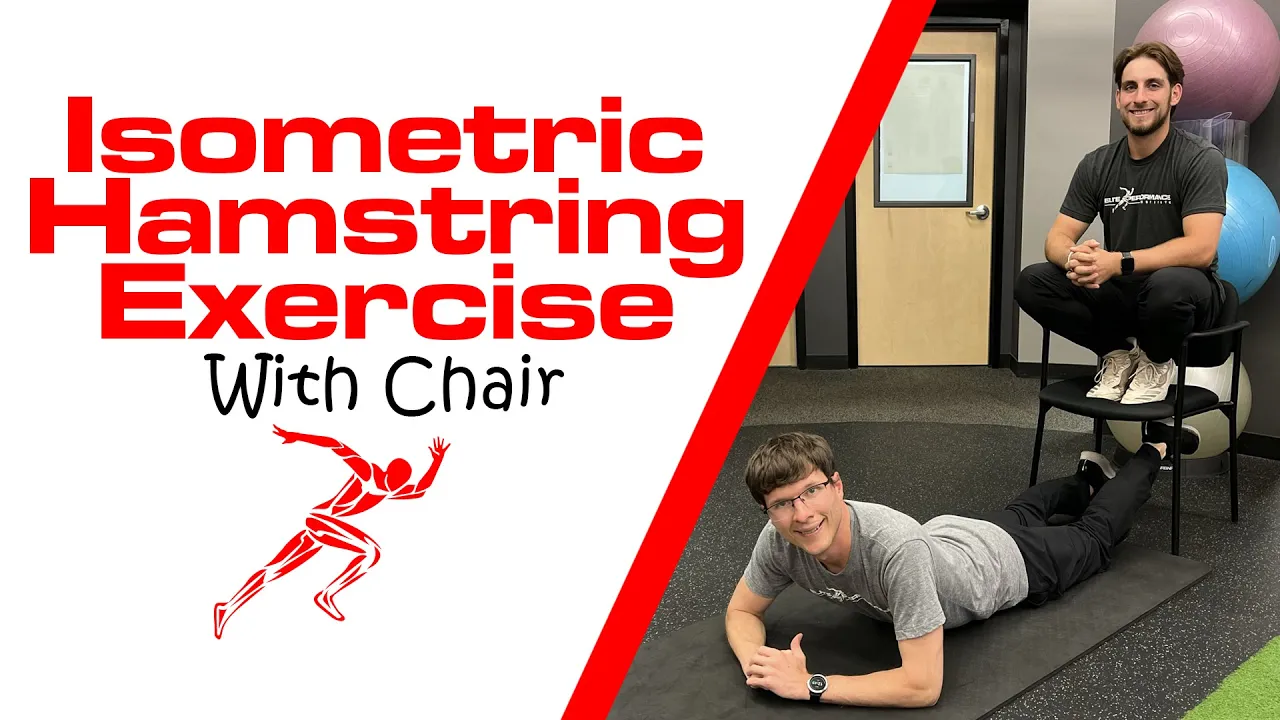
Isometric Hamstring Curl With Resistance Band
EPI video demonstration · Watch on YouTube
Band-based holds at different knee angles to build strong hamstring tension with minimal movement—great for rehab, tendon capacity, and strength without heavy loading.
About this movement
Muscles Targeted
Hamstrings (knee-flexion emphasis) and posterior chain support muscles depending on position.
Key Benefits
- Builds high hamstring tension without joint motion
- Easy to scale intensity—push as hard as you can control
- Hits different parts of the strength curve using multiple knee angles
- Excellent option when sprinting/hinging is limited
Equipment Needed
Resistance band and a stable anchor point (or a partner).
Why This Variation Works
Isometrics are a simple way to build tendon and muscle capacity while keeping movement low. Multiple knee angles help cover more of the hamstring strength curve.
When to Use It
Early hamstring rehab, deload weeks, warm-up prep before running, or as an accessory after RDLs and bridges.
How to perform Isometric Hamstring Curl With Resistance Band
How to Perform
- Anchor the band so it pulls your foot forward.
- Bend the knee slightly and “curl” into the band—then hold.
- Repeat at 2–3 different knee angles (more bent → mid → straighter).
- Keep the thigh still—no hip hiking or twisting.
- Switch sides and match hold times.
Make every rep count
- Follow the setup and movement demonstrated in the video.
- Keep the movement controlled and adjust the range or load if your technique changes.
- Continue breathing normally and pause when you need to reset.
How to use it
Programming Options
- 3–5 rounds of 20–45 second holds per position
- Rest 60–120 seconds between rounds
- Use 2–3 knee angles per side
Explore related exercises
Related Hamstring Exercises
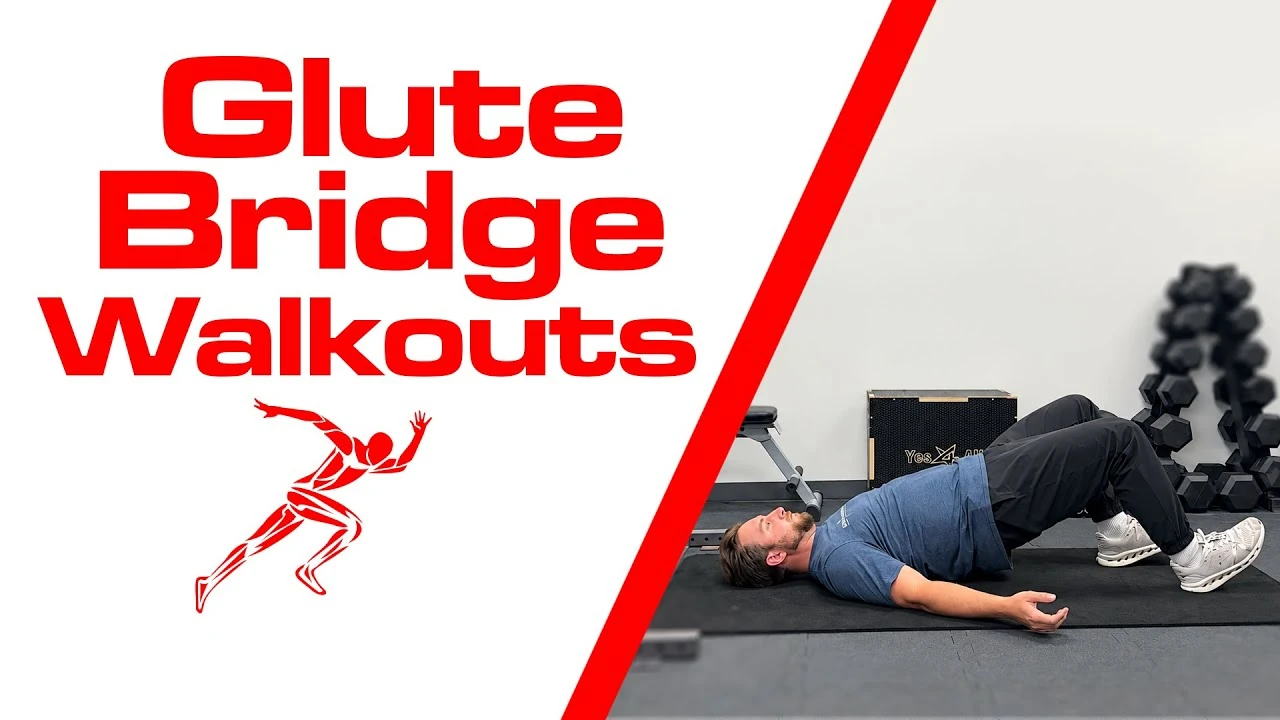
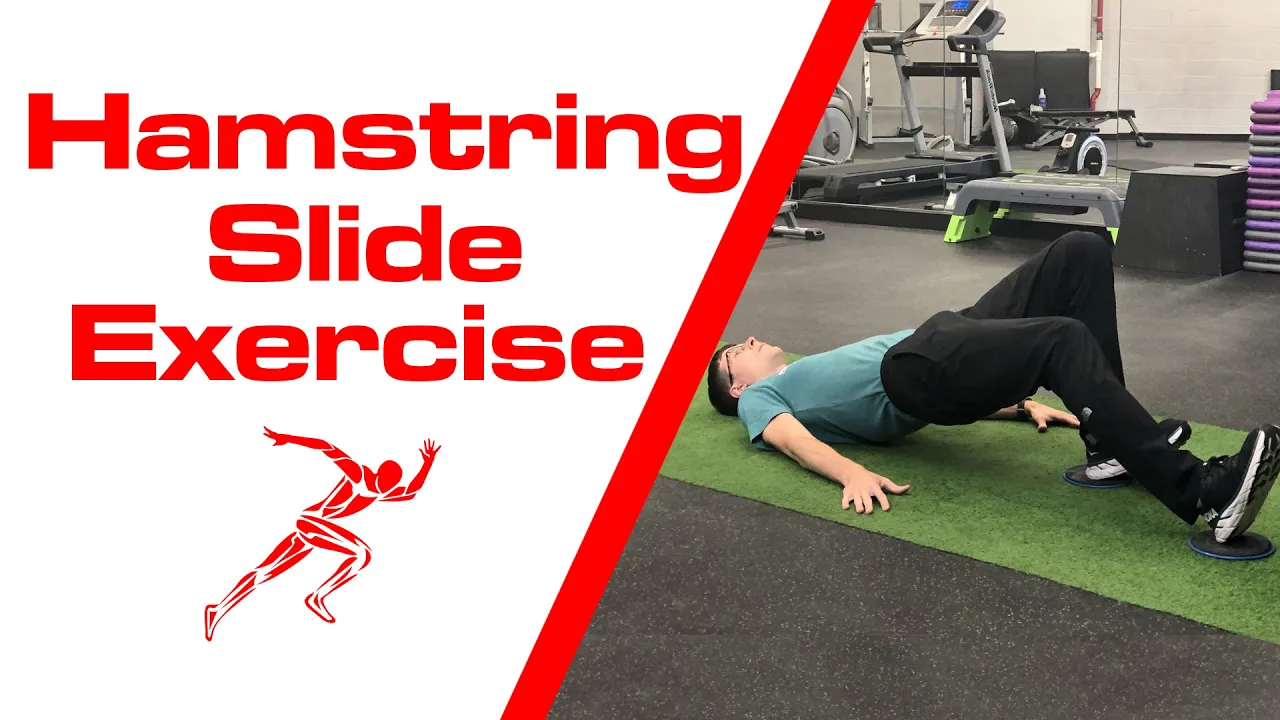
Explore the Hamstring Exercises category for Nordics, sliders, and Swiss ball curls.
Explore related demonstrations. These are options to explore, not automatic exercise progressions.

Common questions
How hard should I push?
Aim for strong effort that stays smooth—no shaking through the pelvis or cramping.
Where should I feel it?
Back of the thigh near the knee and mid-hamstring. If it’s mostly calf, adjust foot angle and band line of pull.
Do I need all the angles?
Two angles works well for most people. Add a third if you want more coverage.
Educational exercise information only. This is not an individualized treatment plan. Modify or stop any exercise that worsens symptoms, and seek appropriate professional guidance when needed.
Equipment options
Amazon affiliate links. As an Amazon Associate I earn from qualifying purchases. Use suitable equipment you already own, or explore these options.
Choose resistance appropriate for your exercise.