
Baseball & Softball Throwing Follow-Through
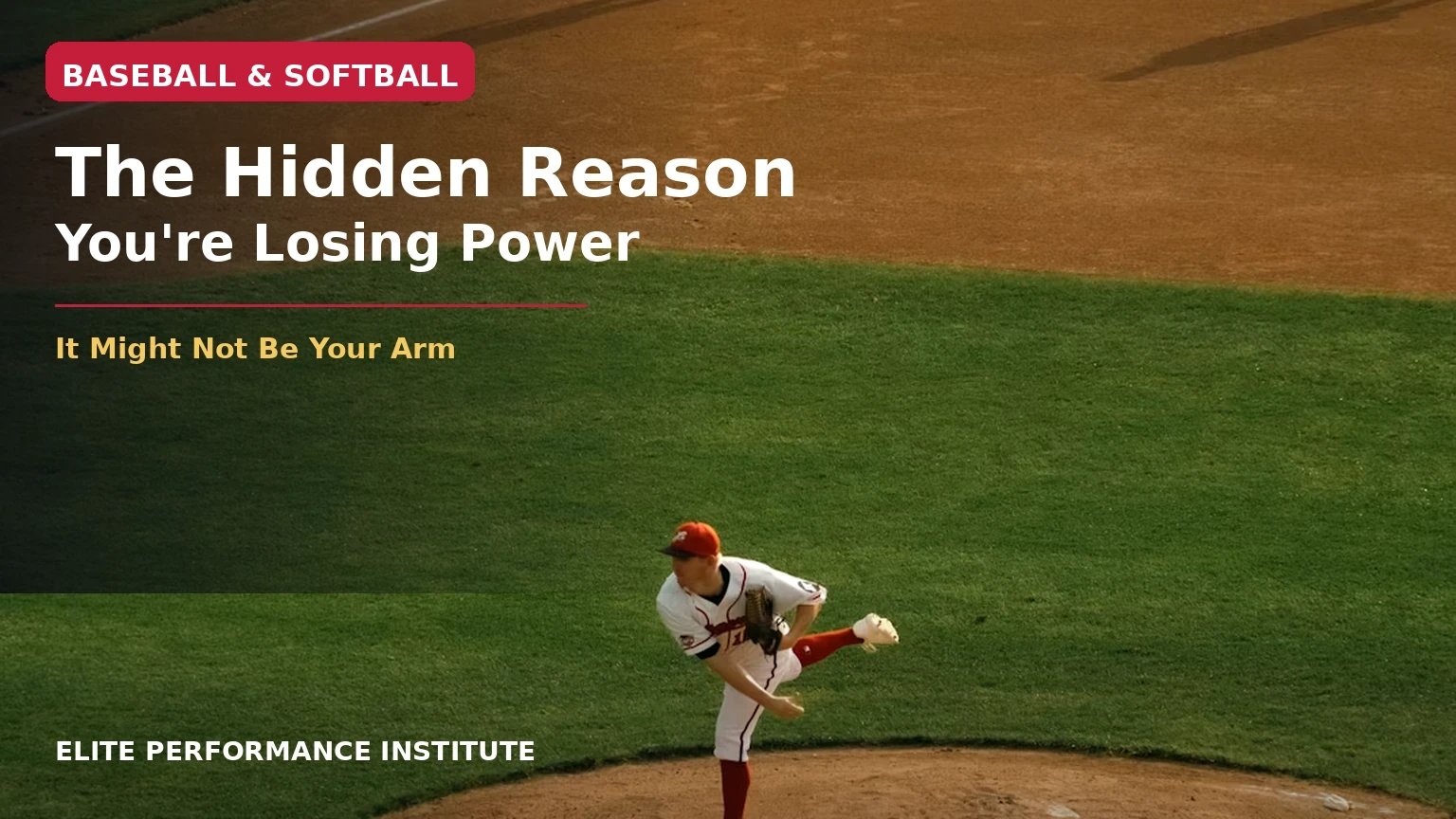
The throw does not stop when the ball leaves your hand. Learn how hip rotation, trunk motion, and the rest of the kinetic chain contribute to an efficient baseball and softball follow-through.
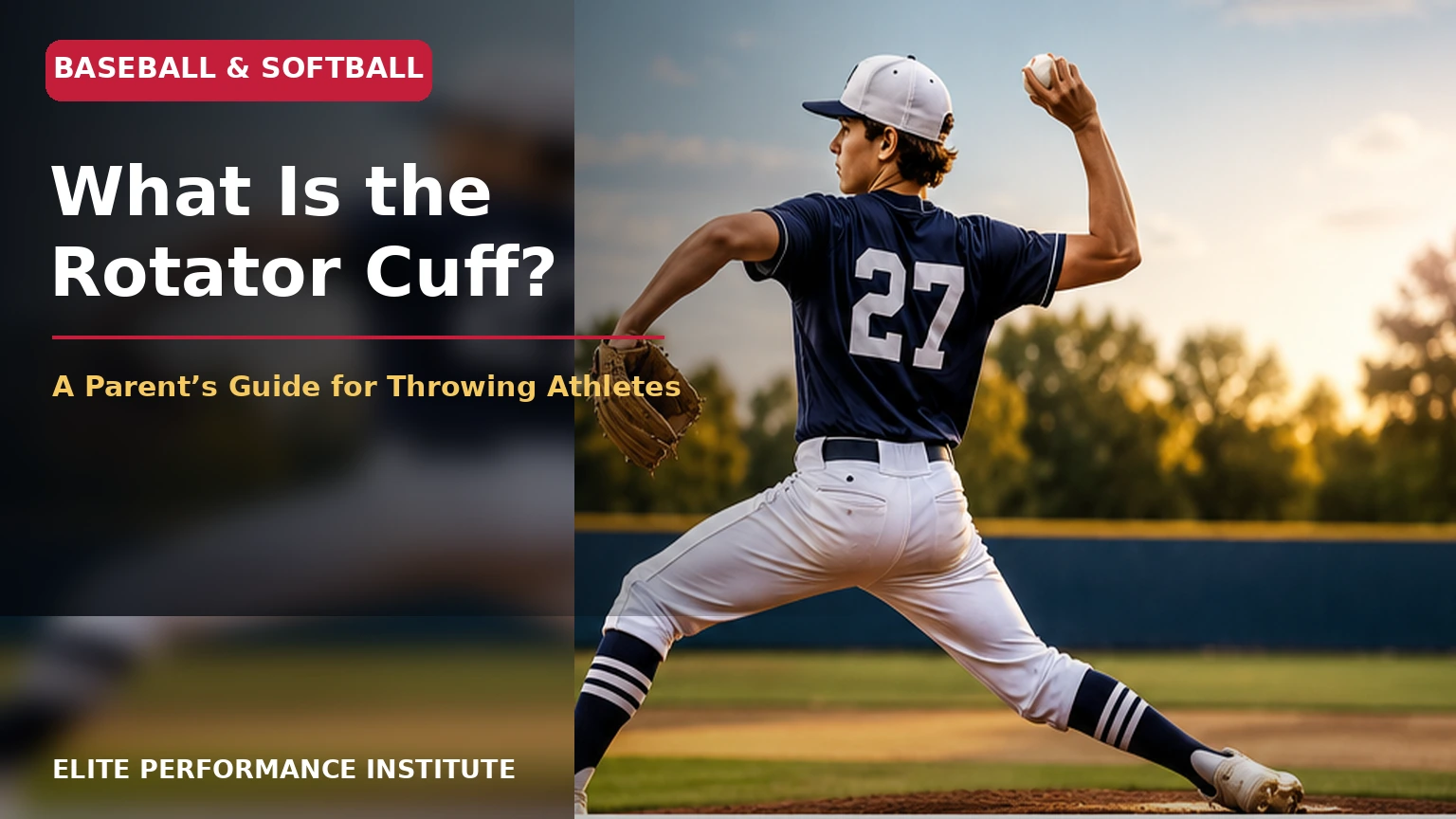
The rotator cuff does much more than rotate the shoulder. Learn how its four muscles stabilize the arm during throwing, why the entire kinetic chain matters, and when shoulder symptoms deserve attention.
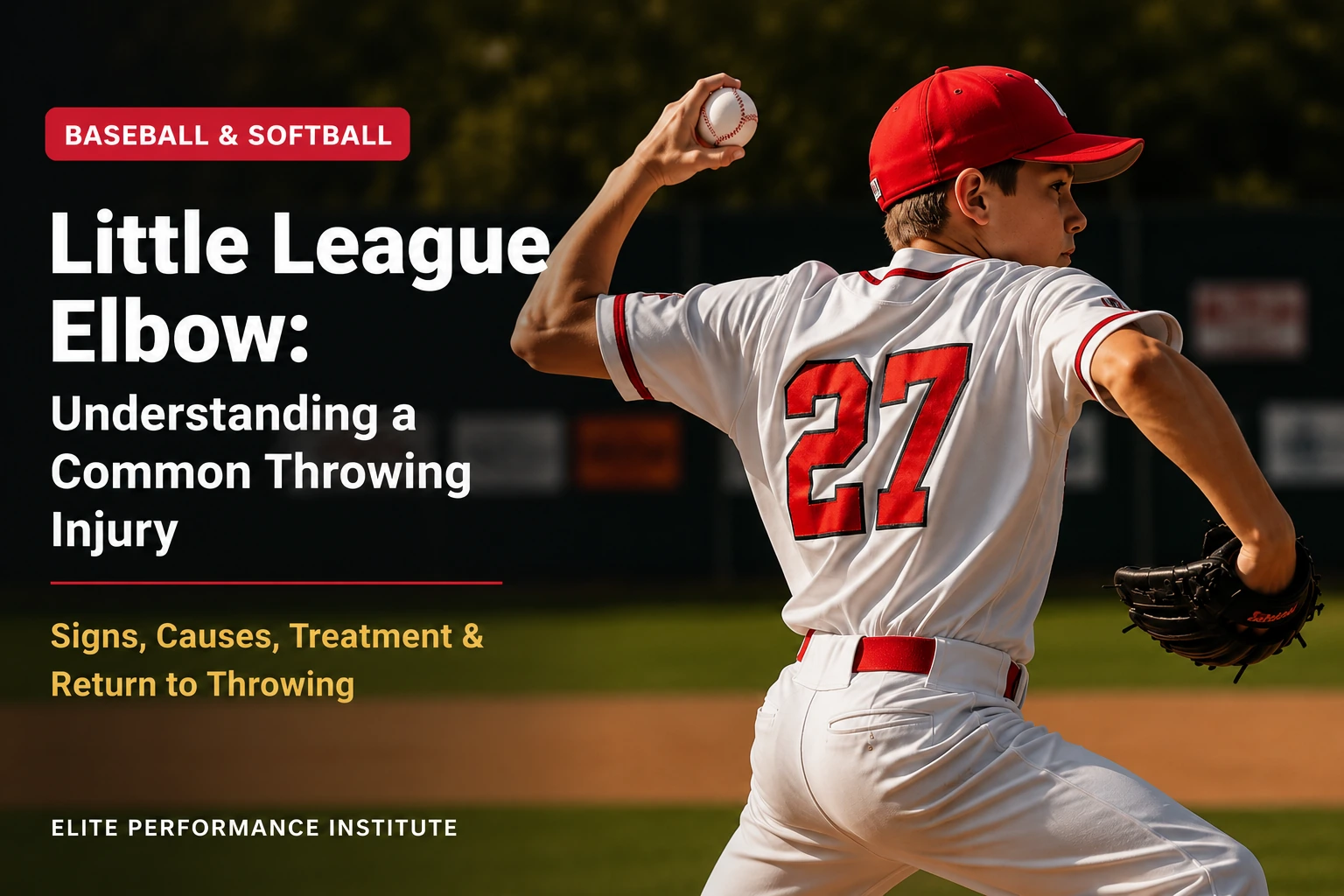
Little League elbow is a common overuse injury in young throwing athletes. Learn the warning signs, why it develops, how it is treated, and what a safe return-to-throw process involves.
Thoracic mobility plays a major role in throwing velocity, bat speed, and rotational power in baseball and softball. Here’s why your mid-back may be the hidden limiter.
A Baseball & Softball Movement Analysis helps identify mobility, stability, and movement limitations that may be affecting throwing, hitting, power, and durability.