
Chin Retraction Exercise
Original EPI video demonstration · Watch on YouTube ↗
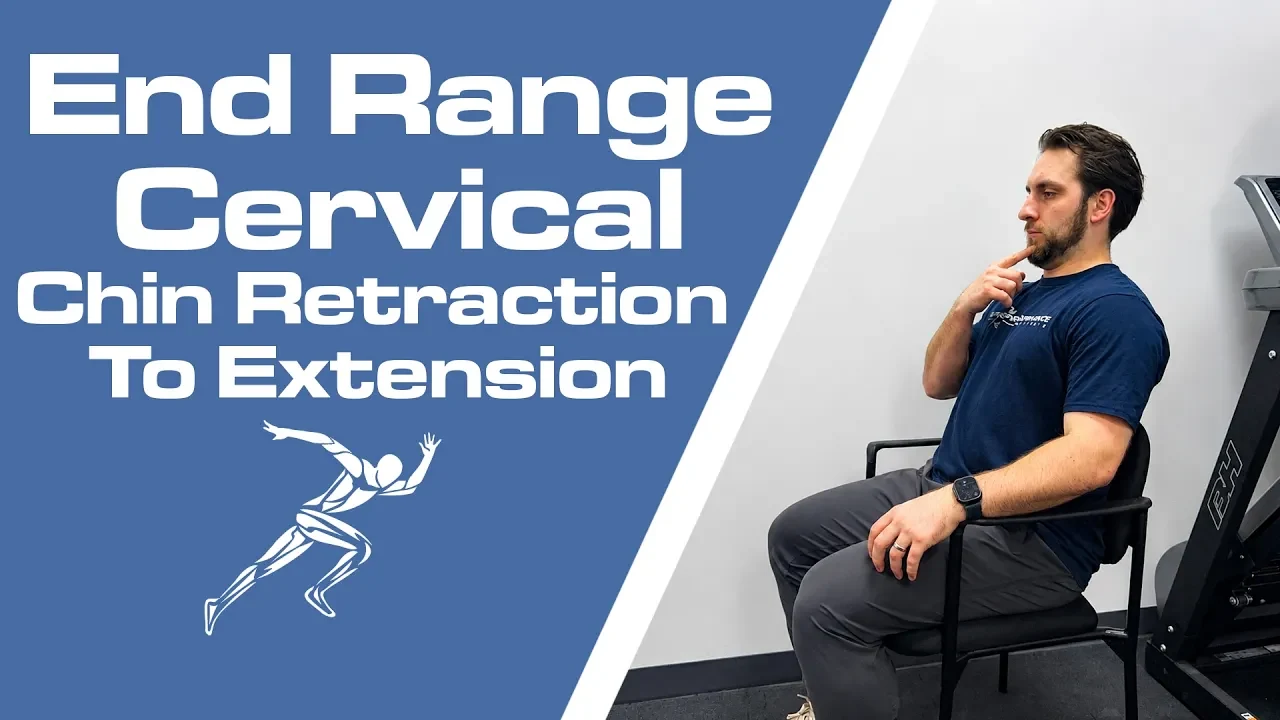
Practice a small, controlled backward movement of the head while keeping your eyes level and your shoulders relaxed.
About this movement
Practice a small, controlled backward movement of the head while keeping your eyes level and your shoulders relaxed. Follow the video demonstration and use the technique notes below to keep the movement controlled and comfortable.
How to perform Chin Retraction Exercise
- Sit or stand comfortably with your trunk supported and shoulders relaxed.
- Start with your eyes facing forward and your chin level.
- Gently glide your head straight backward without looking up or dropping your chin toward your chest.
- Pause briefly in a comfortable position without pressing hard or forcing a deep chin tuck.
- Relax back to your starting position and repeat slowly while breathing normally.
Make every rep count
- Think of a small backward glide rather than a large nod.
- Keep the shoulders relaxed and avoid leaning the entire trunk backward.
- Use the range shown in the video as a reference; a smaller movement is appropriate when needed.
What to watch for
- Tipping the chin upward or strongly tucking it downward.
- Pushing the head backward with the hands or forcing the end range.
- Holding your breath or continuing through increasing symptoms.
How to use it
Begin with a few slow repetitions within a comfortable range. Pause briefly, relax, and reassess your response. Progress only when your technique stays consistent and the exercise remains well tolerated.
Explore related exercises
Explore related demonstrations. These are options to explore, not automatic exercise progressions.
Common questions
Is chin retraction the same as looking down?
No. This demonstration emphasizes a gentle backward glide of the head while keeping the eyes level, rather than bending the neck forward.
Do I need to hold a rigid posture all day?
No. Use this as a brief movement practice when appropriate. Comfortable position changes are useful; there is no need to hold the retracted position all day.
Should I push farther if the movement feels limited?
Keep the range comfortable and avoid forcing it. Persistent or worsening symptoms are a reason to seek an individual assessment.
Educational exercise information only. It does not replace individualized assessment or treatment. Stop if symptoms worsen and consult an appropriate healthcare professional when needed.