
Isometric Single Leg Wall Sit
A single-leg wall sit variation that increases quadriceps demand and challenges unilateral lower-body strength while the wall supports the trunk.
EPI video demonstration · Watch on YouTube
Muscles Targeted
Quadriceps, gluteus maximus, adductors, calves, and hip stabilizers of the stance leg.
Key Benefits
- Builds single-leg quadriceps strength and endurance
- Progresses the traditional two-leg wall sit
- Challenges unilateral knee and hip control
- Requires no equipment beyond a wall
- Can help prepare for more demanding single-leg squat and running tasks
Equipment Needed
A clear wall surface.
How to Perform the Isometric Single Leg Wall Sit
- Set up with your back against a wall and slide into a comfortable wall-sit position.
- Shift your weight onto one leg while keeping the pelvis level.
- Lift the opposite foot away from the floor as demonstrated.
- Maintain the stance knee in line with the foot and keep the trunk supported against the wall.
- Hold the position without allowing the pelvis to shift or the knee to collapse inward.
- Return the opposite foot to the floor and stand up under control before switching sides.
Programming Options
- Master the double-leg wall sit before using the single-leg version
- Begin with a higher wall-sit position if needed
- Use shorter holds initially
- Increase hold duration or depth gradually as strength improves
- Stop the set when alignment or pelvic control begins to deteriorate
Why This Exercise Works
Moving from two legs to one substantially increases the demand on the stance-side quadriceps and hip stabilizers while the wall continues to support the trunk. This makes it a simple unilateral progression from the standard wall sit.
When to Use It
Use this exercise when progressing quadriceps strength and endurance toward higher-level single-leg tasks such as step-downs, split squats, running, or return-to-sport training.
Related Quadriceps Exercises
For more wall sits, squats, step-downs, and quadriceps-loading exercises, visit the complete Quadriceps Exercises category.
Frequently Asked Questions
Is this harder than a regular wall sit?
Yes. Supporting the body on one leg substantially increases the demand on that leg.
How low should I sit?
Use the deepest position you can control comfortably without losing knee or pelvic alignment.
What if I cannot lift the opposite foot completely?
Start by unloading it gradually or use a higher wall-sit position until single-leg control improves.
Where should I feel it?
The stance-side quadriceps should work strongly, with the glutes and other hip stabilizers helping maintain alignment.
How can I progress it?
Increase hold duration, move slightly deeper, or add external load once bodyweight holds are easy and well controlled.
More exercises in this collection
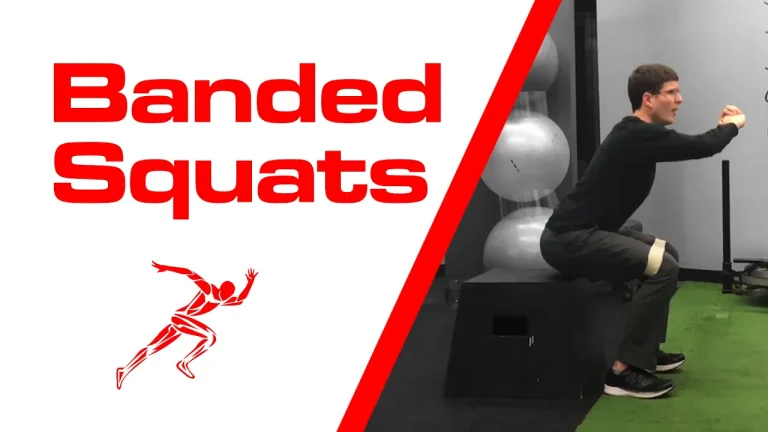
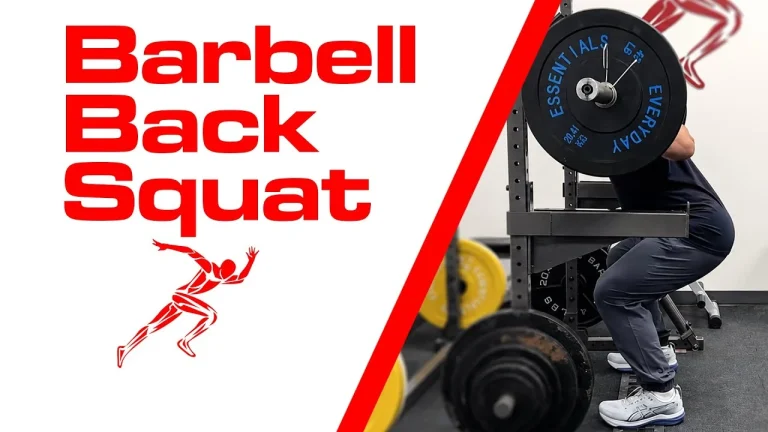
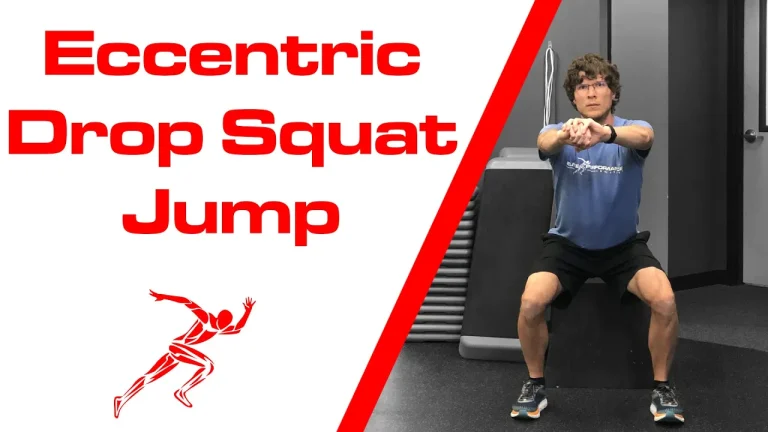
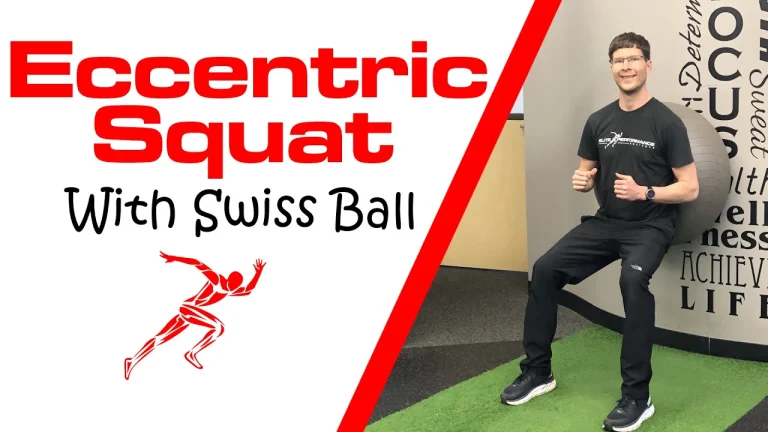
Explore other videos in Quadriceps Exercises. These movements are related by category, not necessarily direct progressions.
Educational exercise information only. This is not an individualized treatment plan. Modify or stop any exercise that worsens symptoms, and seek appropriate professional guidance when needed.