
Isometric Glute Bridge
A static glute bridge hold that builds glute and posterior-chain endurance while reinforcing pelvic control without repeated hip movement.
EPI video demonstration · Watch on YouTube
Muscles Targeted
Gluteus maximus, hamstrings, gluteus medius, deep core stabilizers, and other muscles that help maintain hip extension and pelvic position.
Key Benefits
- Builds isometric glute strength and endurance
- Reinforces a controlled hip-extension position
- Requires no equipment
- Provides a simple progression from basic bridge technique
- Can be useful when repeated movement is not the main training goal
Equipment Needed
No equipment is required. A mat or comfortable floor surface is optional.
How to Perform the Isometric Glute Bridge
- Lie on your back with both knees bent and feet planted.
- Set the ribs and pelvis in a comfortable, controlled position.
- Drive through the feet and lift the hips from the floor.
- Squeeze the glutes and hold the top position.
- Keep the pelvis level and avoid overextending through the lower back.
- Breathe normally during the hold, then lower under control.
Programming Options
- Start with shorter holds and increase duration gradually
- Adjust foot position slightly if needed to find a strong glute contraction
- End the hold when the pelvis begins to drop or the low back takes over
- Progress to loaded, long-lever, or single-leg bridge variations
- Use within glute, hamstring, or lower-body rehab programs
Why This Exercise Works
Holding the bridge position requires the glutes and posterior chain to maintain hip extension continuously. The isometric format builds time under tension without repeated joint motion and reinforces control at the top of the bridge.
When to Use It
Use this exercise when building foundational glute endurance, reinforcing bridge position, or progressing toward loaded and single-leg bridge variations.
Related Glute Exercises
For more bridges, hip thrusts, hip-abduction exercises, and single-leg glute work, visit the complete Glute Exercises category.
Frequently Asked Questions
Where should I feel the isometric glute bridge?
You should primarily feel the glutes, with some hamstring contribution as the hips stay elevated.
How high should I lift?
Lift until you reach a controlled hip-extension position without excessive low-back arching.
What if my hamstrings cramp?
Move the feet slightly closer to the hips, shorten the hold, or return to shorter bridge repetitions before trying longer holds.
How can I make it harder?
Increase hold duration or progress to a loaded, long-lever, or single-leg bridge variation.
Should I hold my breath?
No. Maintain normal breathing while keeping the trunk and pelvis controlled.
More exercises in this collection
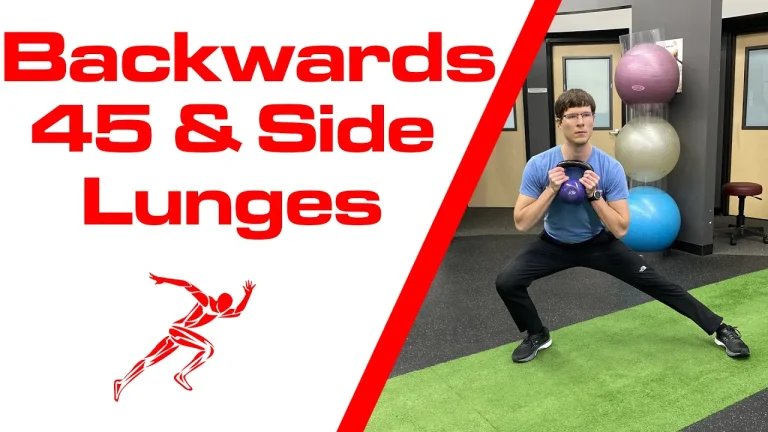
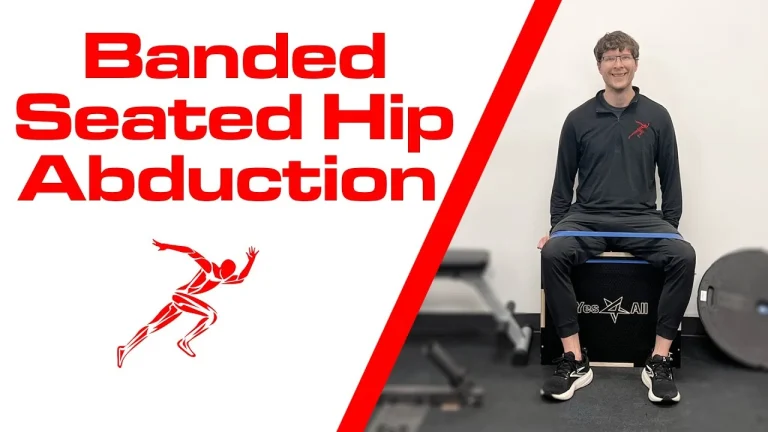
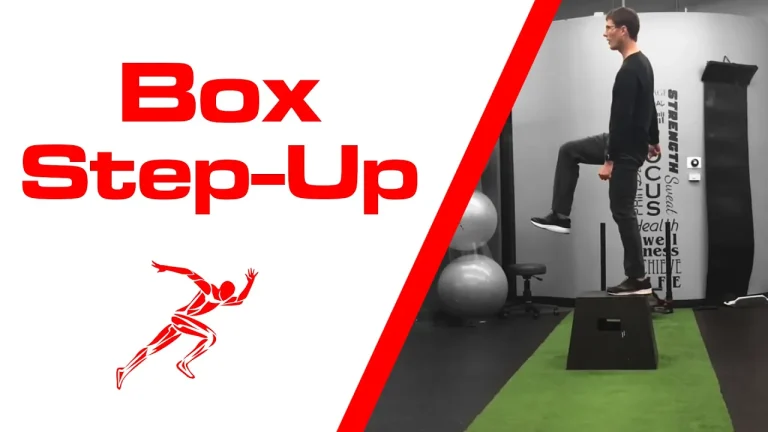
Explore other videos in Glute Exercises. These movements are related by category, not necessarily direct progressions.

Educational exercise information only. This is not an individualized treatment plan. Modify or stop any exercise that worsens symptoms, and seek appropriate professional guidance when needed.