
Weighted Front Plank
EPI video demonstration · Watch on YouTube
A loaded front plank variation that adds external weight across the trunk to increase anti-extension core demand and whole-body isometric strength.
About this movement
Muscles Targeted
Rectus abdominis, transverse abdominis, internal and external obliques, multifidus, serratus anterior, glutes, shoulder stabilizers, and other trunk muscles that resist unwanted lumbar extension.
Key Benefits
- Progresses the standard front plank with external load
- Builds anti-extension core strength and endurance
- Increases whole-body isometric demand without changing the basic plank position
- Challenges trunk and pelvic control under added resistance
- Provides a simple progression once bodyweight planks are easy
Equipment Needed
A weight plate or other stable external load and a mat or comfortable floor surface. A partner is helpful for safely placing and removing the weight.
Why This Exercise Works
Adding external weight increases the extension torque acting on the trunk. The abdominal wall, glutes, and shoulder girdle must create more isometric force to maintain the same plank position, making this a direct progression from the bodyweight front plank.
When to Use It
Use this exercise once a standard front plank is easy to maintain with excellent position and you want a stronger anti-extension challenge.
How to perform Weighted Front Plank
How to Perform the Weighted Front Plank
- Set up in a standard forearm front plank with the elbows under the shoulders.
- Establish a straight, controlled line from the shoulders through the hips to the ankles.
- Have a partner place the weight securely across the upper back or trunk as demonstrated.
- Brace the core and keep the ribs and pelvis controlled.
- Hold the plank without allowing the hips to sag or pike.
- Have the weight removed safely before coming out of the plank.
Make every rep count
- Follow the setup and movement demonstrated in the video.
- Keep the movement controlled and adjust the range or load if your technique changes.
- Continue breathing normally and pause when you need to reset.
How to use it
Programming Options
- Master the bodyweight front plank before adding load
- Start with a light plate or other stable resistance
- Use shorter holds as the load increases
- Prioritize position quality over total hold time
- Increase load gradually only when the same trunk position can be maintained
Explore related exercises
Related Core Exercises
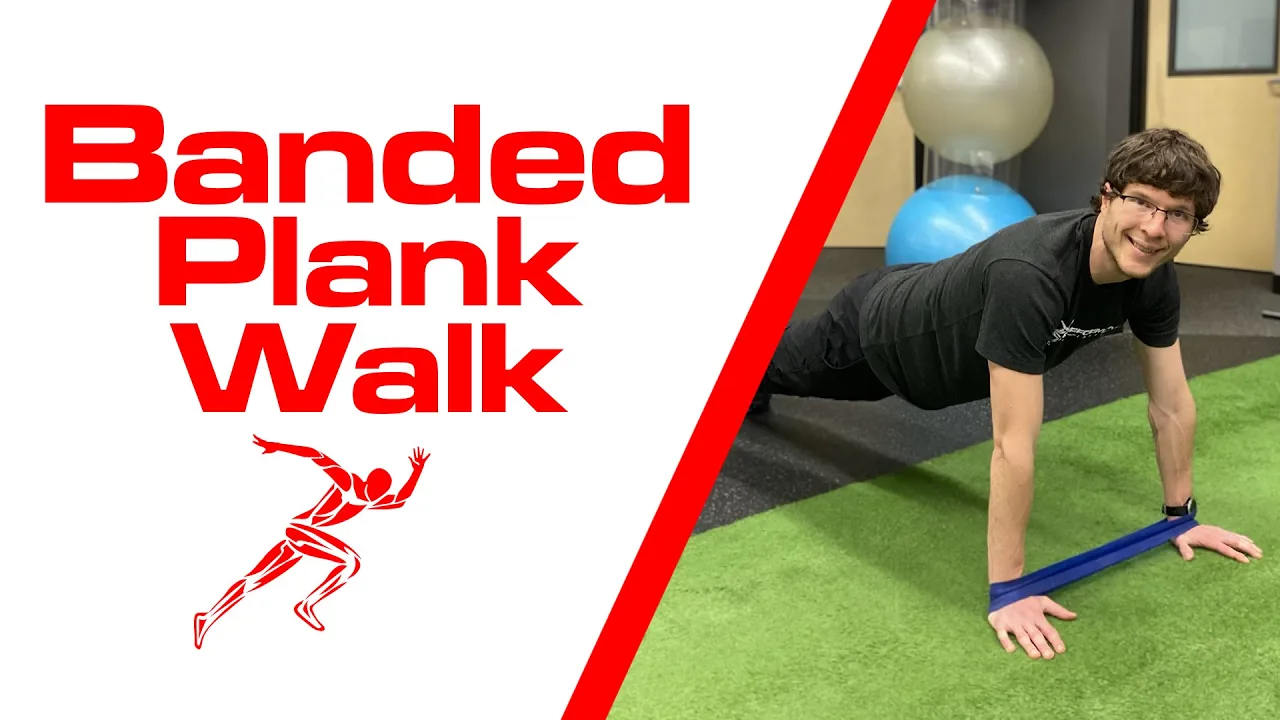
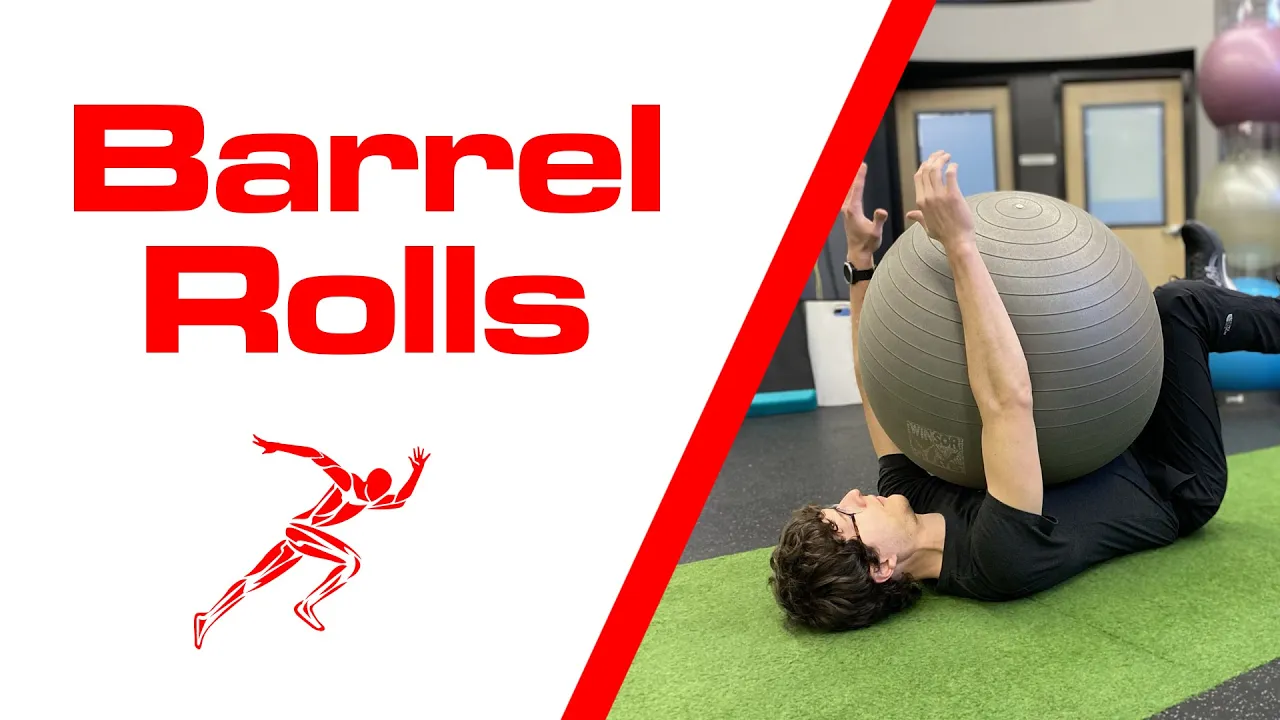
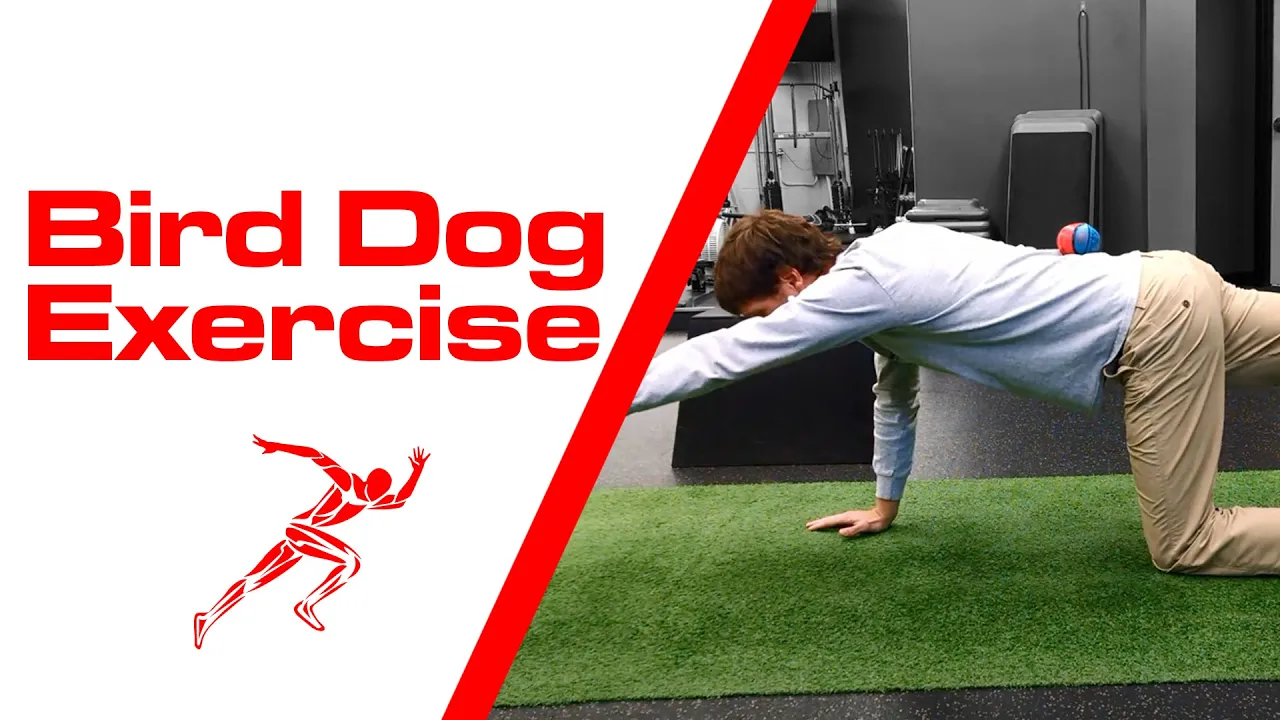
For more planks, dead bugs, Pallof presses, anti-rotation drills, and trunk-strength exercises, visit the complete Core Exercises category.
Explore related demonstrations. These are options to explore, not automatic exercise progressions.

Common questions
Where should the weight be placed?
Use a secure position across the upper back or trunk as demonstrated, avoiding unstable placement directly on the low back.
Do I need a partner?
A partner is strongly preferred so the weight can be placed and removed without compromising your plank position.
How heavy should the plate be?
Start light. The right load is one that increases the challenge without changing your plank alignment.
Should I hold it as long as a bodyweight plank?
Not necessarily. Heavier loading usually means shorter high-quality holds.
What should I do before trying this?
You should be able to maintain a standard front plank comfortably and consistently before adding external load.
Educational exercise information only. This is not an individualized treatment plan. Modify or stop any exercise that worsens symptoms, and seek appropriate professional guidance when needed.