
Bird Dog Exercise
EPI video demonstration · Watch on YouTube
A beginner-friendly quadruped core drill that builds spinal control and cross-body stability as you reach with opposite arm and leg without twisting.
About this movement
Muscles Targeted
Deep core stabilizers, multifidi, glutes, and shoulder stabilizers.
Key Benefits
- Builds core stability without stressing the low back
- Improves coordination and cross-body control
- Teaches neutral spine and bracing
- Easy to scale for any fitness level
Equipment Needed
Mat or soft surface. Optional: small object on your back for feedback.
Why This Variation Works
The quadruped position is joint-friendly while the opposite arm/leg reach trains anti-rotation control and spinal stability.
When to Use It
Warm-ups, rehab programs, and core stability training—especially when you want low-back-friendly trunk work.
How to perform Bird Dog Exercise
How to Perform
- Start on hands and knees with a neutral spine.
- Brace lightly and keep hips square to the floor.
- Reach one arm forward while extending the opposite leg back.
- Pause, return with control, and alternate sides.
Make every rep count
- Follow the setup and movement demonstrated in the video.
- Keep the movement controlled and adjust the range or load if your technique changes.
- Continue breathing normally and pause when you need to reset.
How to use it
Programming Options
- 2–4 sets of 6–10 reps per side
- Or 20–40 seconds of alternating reps
- Pause 1–3 seconds at full reach
Explore related exercises
Related Core Exercises
Explore more beginner-to-advanced drills in Core Exercises.
Explore related demonstrations. These are options to explore, not automatic exercise progressions.
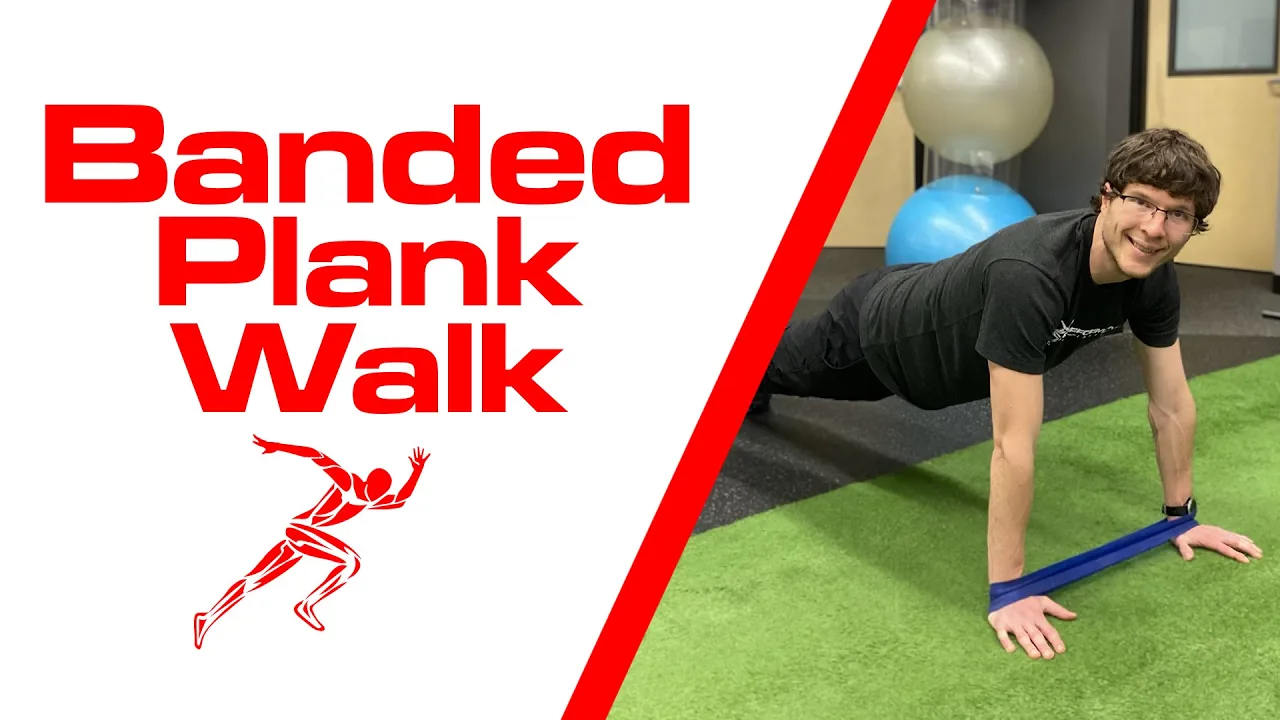

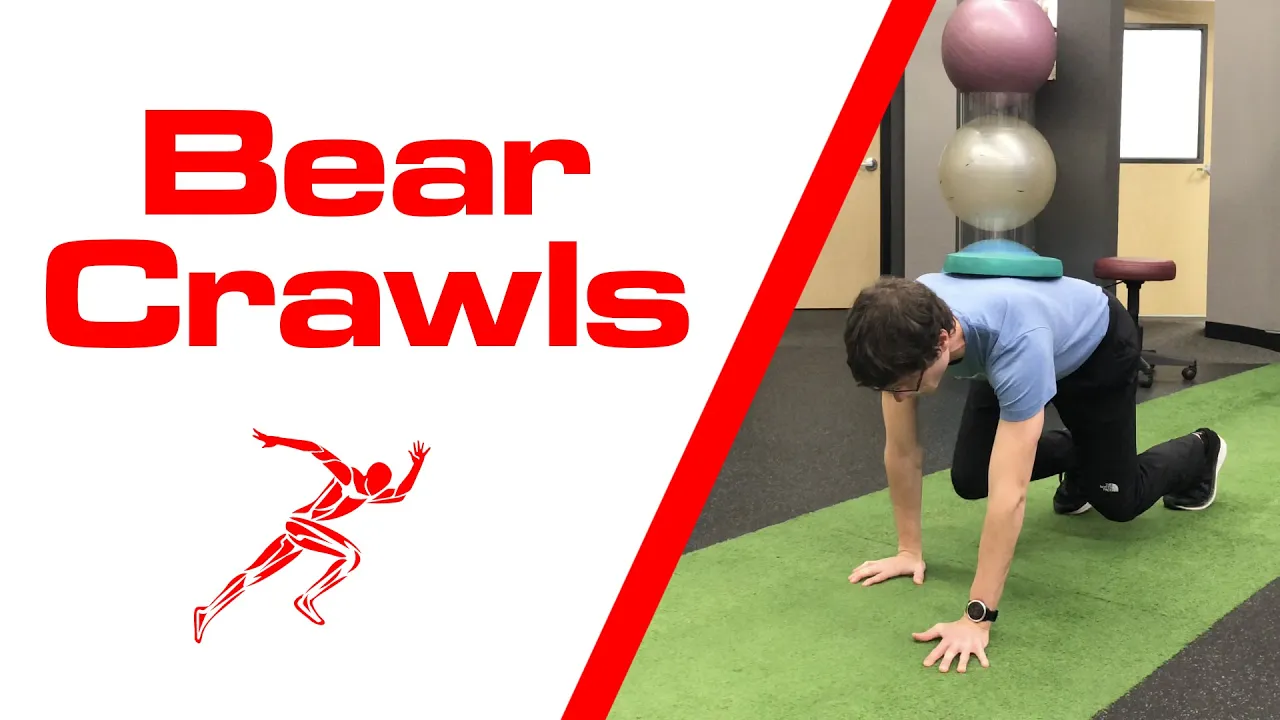
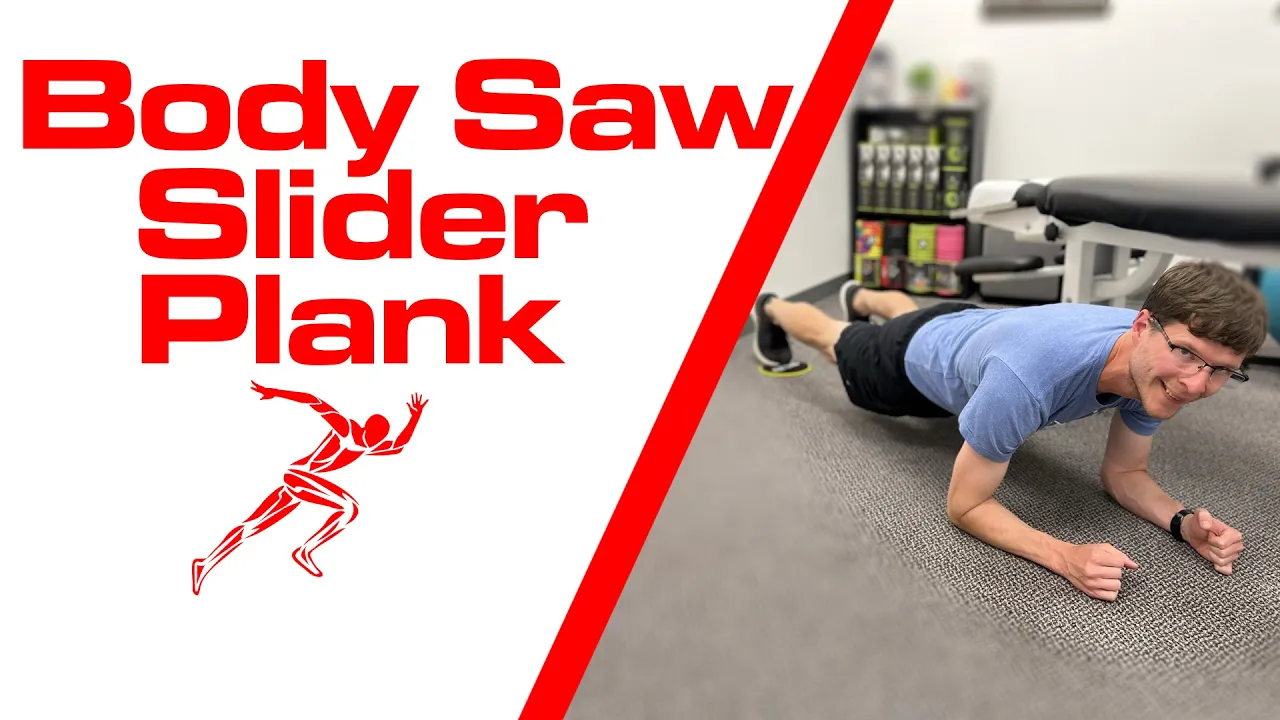
Common questions
Should my back stay perfectly flat?
Yes—aim for a neutral spine. If you’re wobbling, shorten the reach and slow down.
How long should I pause?
A 1–3 second pause is plenty. The goal is control, not holding your breath forever.
Where should I feel it?
You should feel the core working to resist rotation, plus glute engagement on the extended leg side.
Educational exercise information only. This is not an individualized treatment plan. Modify or stop any exercise that worsens symptoms, and seek appropriate professional guidance when needed.