
Dead Bug With Bands Variation
EPI video demonstration · Watch on YouTube
A resisted dead bug progression using band tension from different directions to challenge anti-extension and anti-rotation control while maintaining a stable trunk.
About this movement
Muscles Targeted
Deep abs, obliques, rectus abdominis, shoulder stabilizers, and trunk muscles that resist pull from the band in multiple planes.
Key Benefits
- Adds scalable resistance without heavy weights
- Challenges anti-extension and anti-rotation control
- Improves bracing and coordination under tension
- Easy to customize by changing band direction and strength
Equipment Needed
Resistance band and a secure anchor point (door, pole, rack, or partner).
Why This Variation Works
Band tension provides constant, adjustable resistance that forces the trunk to stay stable while the limbs move—excellent for building control without needing a full gym setup.
When to Use It
Core circuits, athletic prep, and progressions when standard dead bugs no longer challenge you and you want a simple way to add resistance.
How to perform Dead Bug With Bands Variation
- Anchor the band so it provides steady tension in your dead bug setup.
- Lie on your back in 90/90 and grip the band as shown.
- Set ribs down and keep low back stable.
- Move arms/legs through the chosen pattern while resisting band pull.
- Adjust band direction or tension to change the challenge.
Make every rep count
- Follow the setup and movement demonstrated in the video.
- Keep the movement controlled and adjust the range or load if your technique changes.
- Continue breathing normally and pause when you need to reset.
How to use it
Programming Options
- 6–12 reps per side (or 20–40 seconds work)
- 2–4 sets
- Progress by stronger band or longer lever positions
Explore related exercises
Related Core Exercises
For more resisted core drills, browse Core Exercises.
Explore related demonstrations. These are options to explore, not automatic exercise progressions.
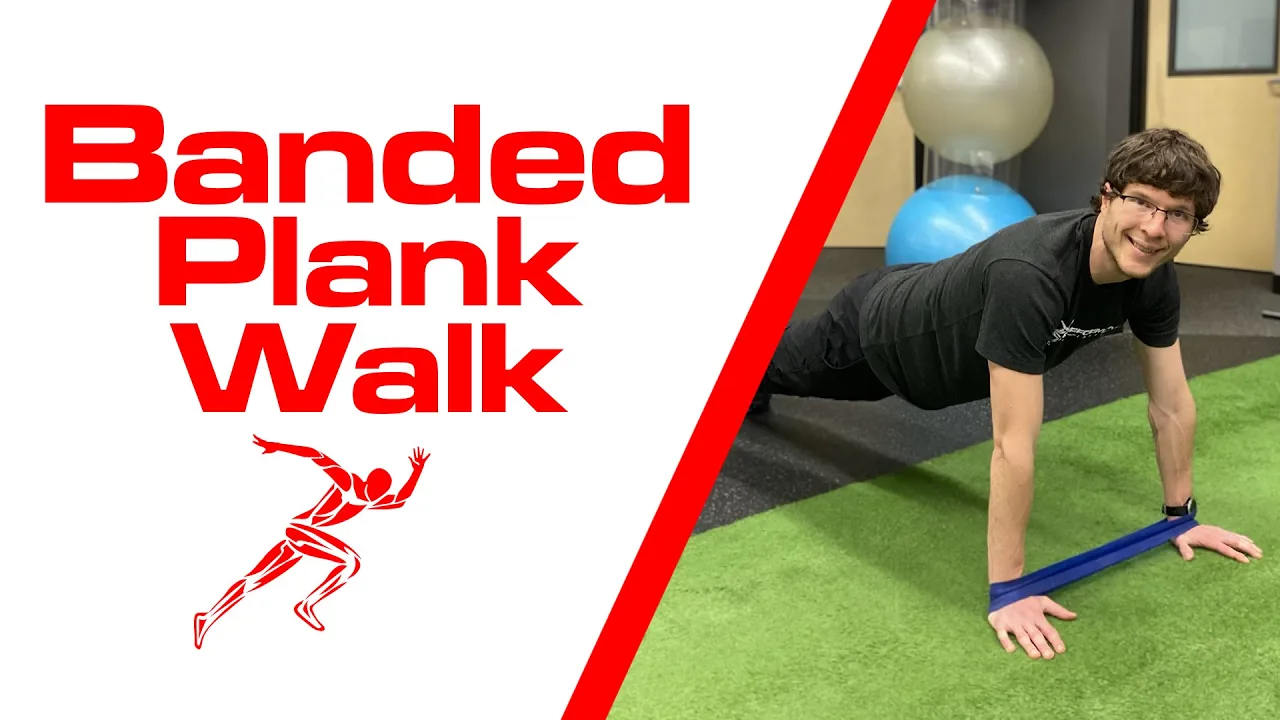
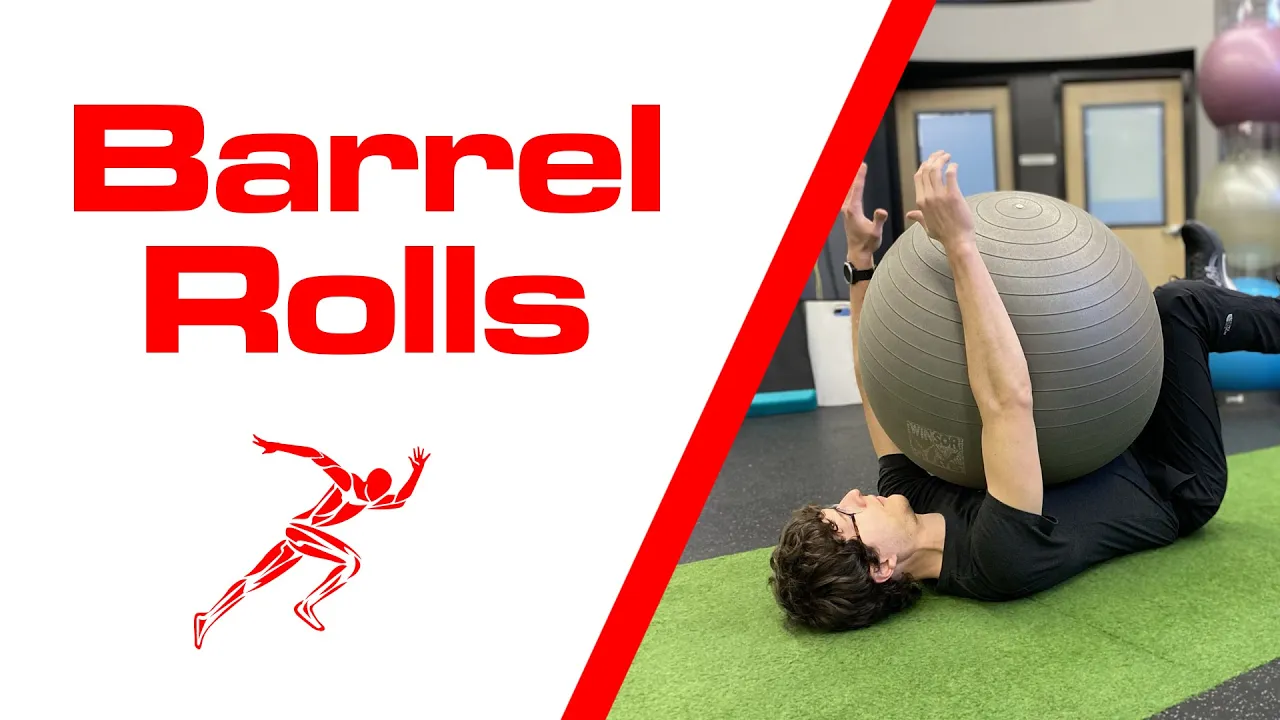

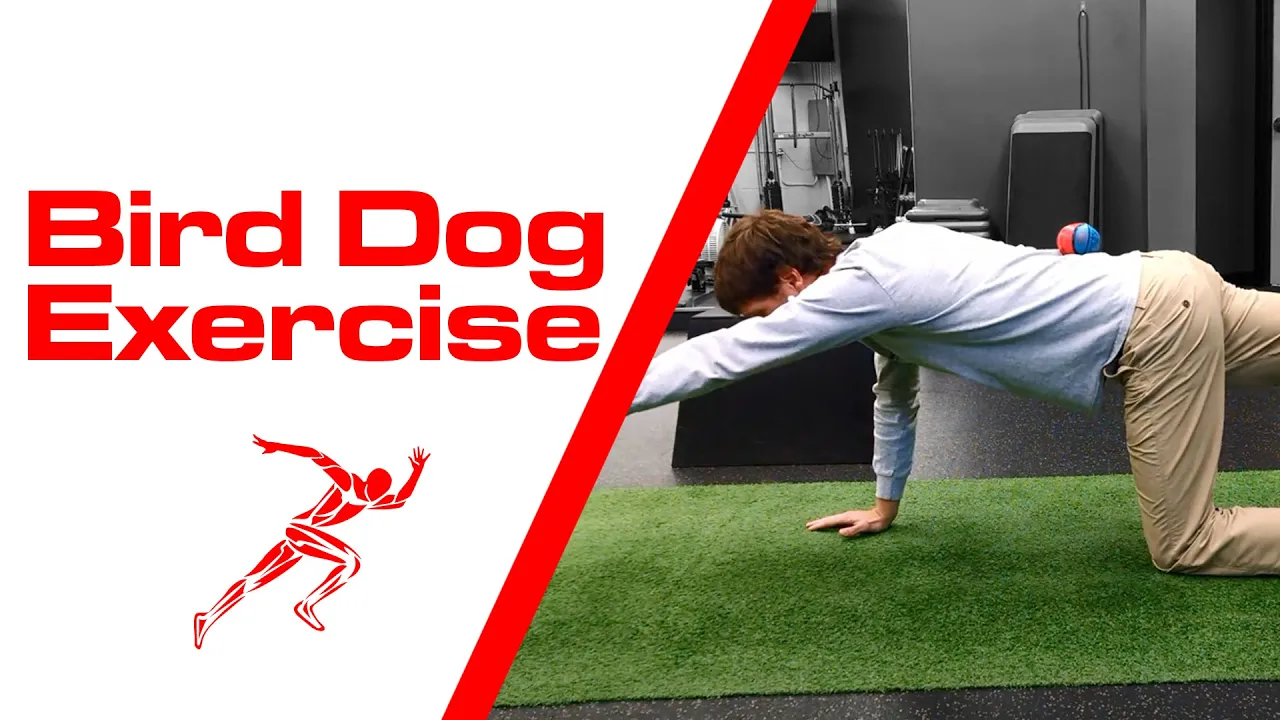
Common questions
Where should I anchor the band?
Anchor it so the band pulls you into rib flare or rotation—then your job is to resist and stay neutral.
What band strength should I use?
Use the lightest band that still challenges you to maintain position. If form breaks, the band is too strong or the range is too big.
Can I do this without an anchor?
A secure anchor is best. If you don’t have one, choose a different dead bug variation or use a partner to hold the band.
Educational exercise information only. This is not an individualized treatment plan. Modify or stop any exercise that worsens symptoms, and seek appropriate professional guidance when needed.
Equipment options
Amazon affiliate links. As an Amazon Associate I earn from qualifying purchases. Use suitable equipment you already own, or explore these options.
Choose resistance appropriate for your exercise.