
Reverse Lunge
EPI video demonstration · Watch on YouTube
A reverse lunge variation that loads the front leg for strong quad and hip strength, often with a knee-friendlier feel than forward lunges.
About this movement
Muscles Targeted
Quadriceps (front leg), glutes, hamstrings (support), and trunk stabilizers.
Key Benefits
- Builds single-leg strength with clean mechanics
- Great for runners and athletes
- Scales easily with depth, tempo, and loading
- Reinforces hip/knee alignment and balance
Equipment Needed
None. Optional: dumbbells/kettlebells for loading.
Why This Variation Works
Stepping backward often helps maintain better front-leg loading and control, making it a strong option for building quad capacity.
When to Use It
Lower body strength days, return-to-running strength blocks, or as a main unilateral exercise alongside hinge work.
How to perform Reverse Lunge
- Stand tall and step one leg back into a lunge.
- Lower under control until the back knee gets near the ground.
- Keep the front foot flat and the trunk steady.
- Drive through the front leg to return to standing.
- Repeat for reps, then switch sides.
Make every rep count
- Follow the setup and movement demonstrated in the video.
- Keep the movement controlled and adjust the range or load if your technique changes.
- Continue breathing normally and pause when you need to reset.
How to use it
Programming Options
- 2–4 sets of 6–12 reps per side
- Tempo option: 3 seconds down
- Strength option: heavier load for 4–6 reps
Explore related exercises
Related Quadriceps Exercises
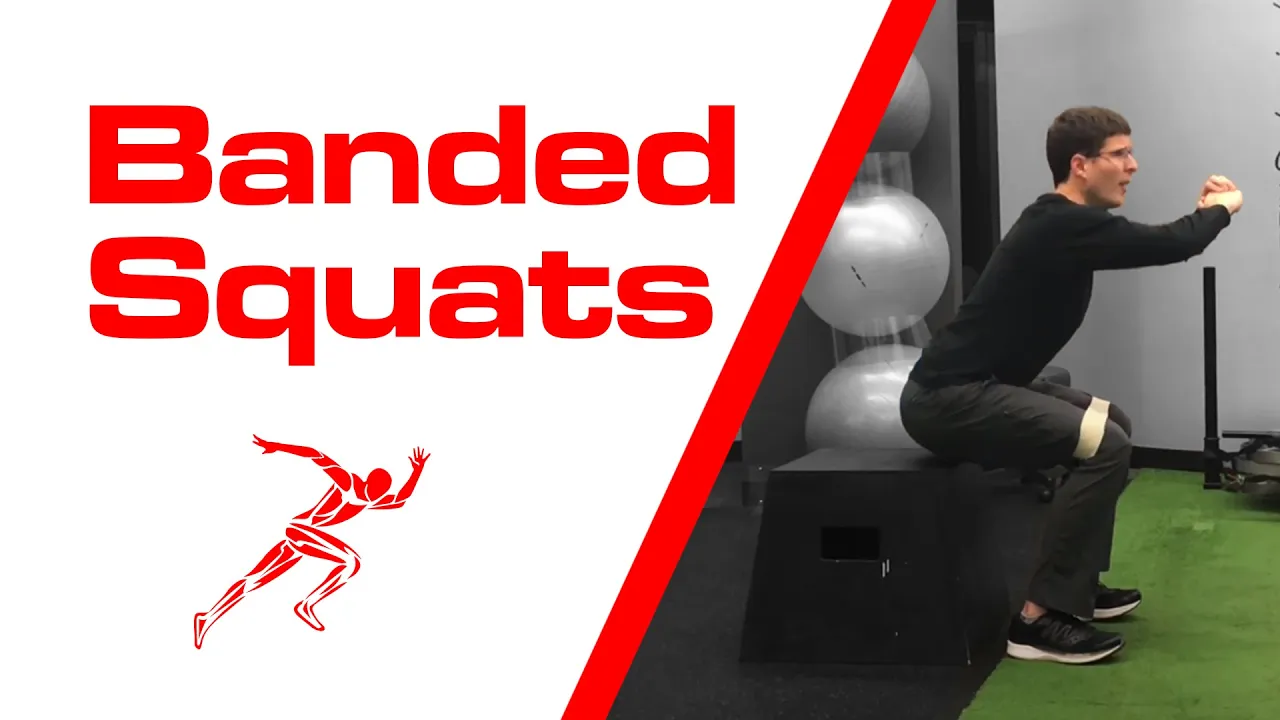
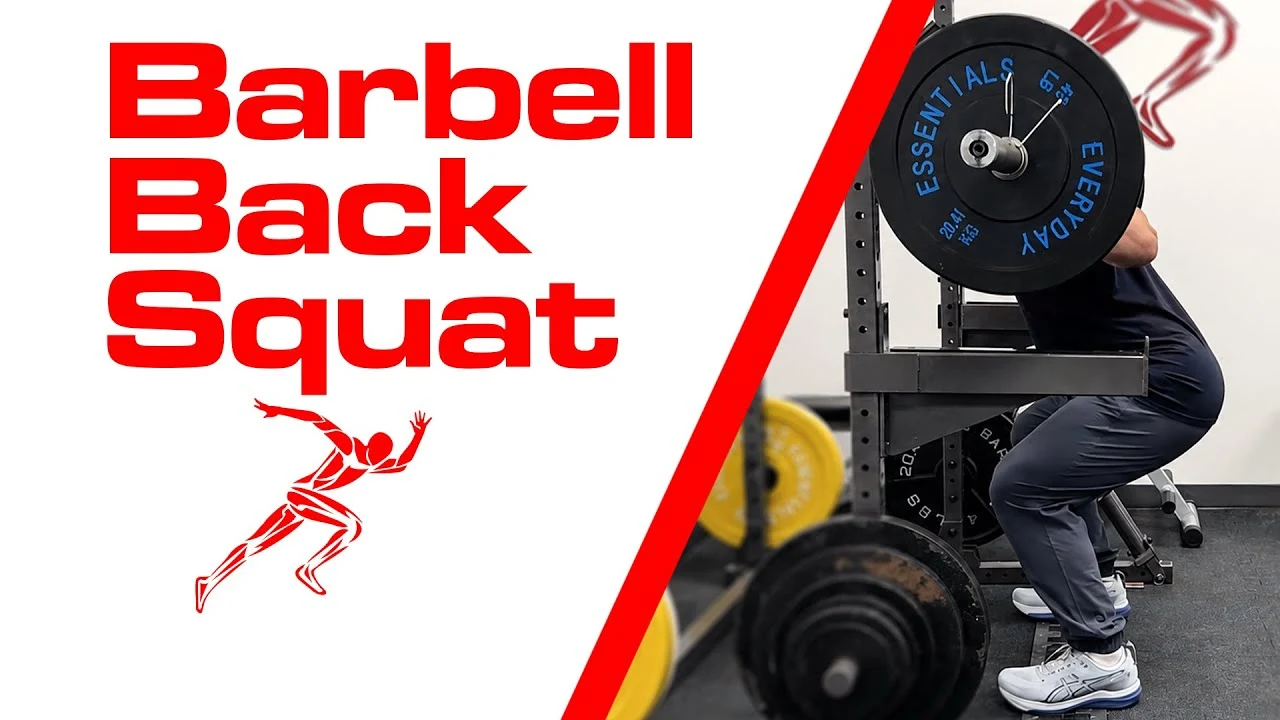
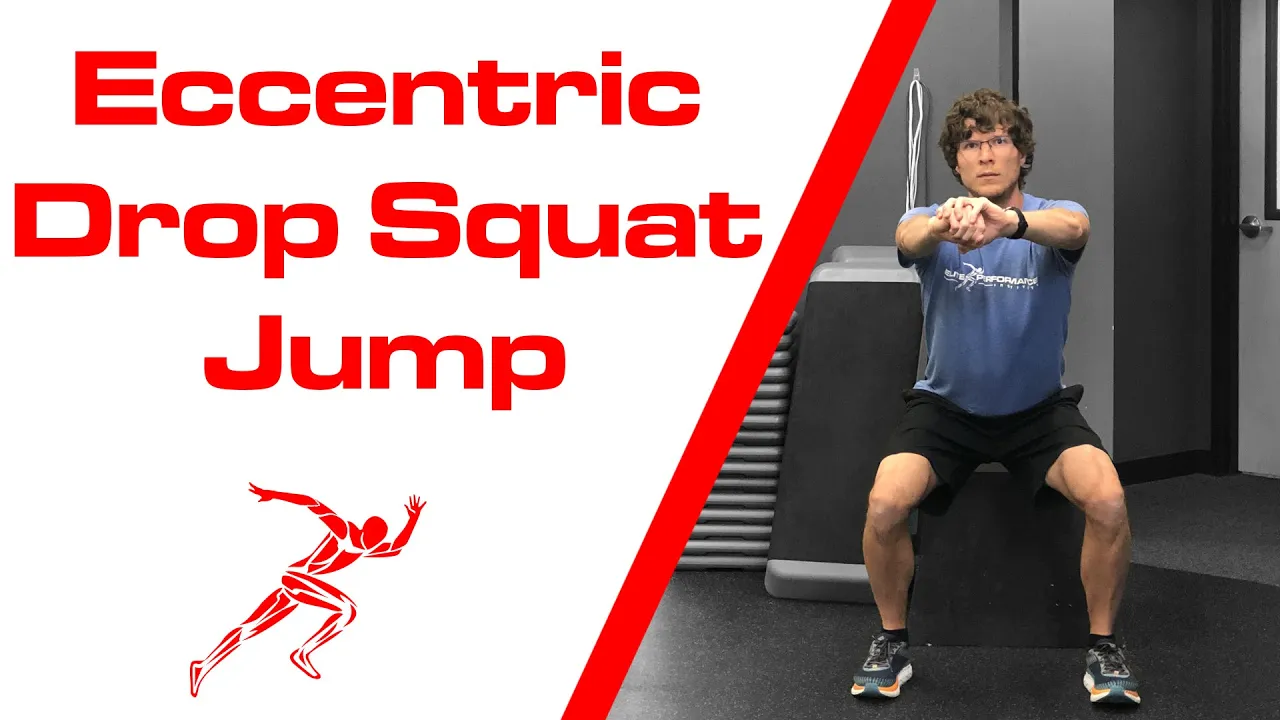
Explore the Quadriceps Exercises category for split squats, skater squats, and Swiss ball options.
Explore related demonstrations. These are options to explore, not automatic exercise progressions.

Common questions
Should my front knee go over my toes?
It can, as long as it stays controlled and you keep the foot flat.
What if I lose balance?
Shorten the step-back distance or use a light hand support at first.
How do I make it harder?
Add load, increase depth, or use a slower lowering phase.
Educational exercise information only. This is not an individualized treatment plan. Modify or stop any exercise that worsens symptoms, and seek appropriate professional guidance when needed.