
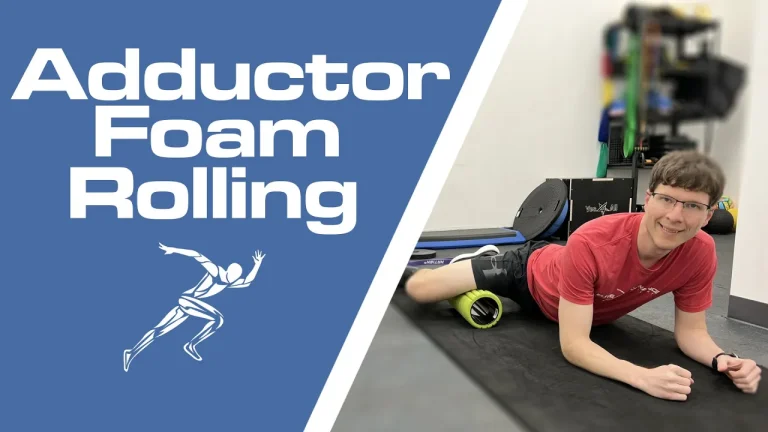
 Foam RollingFoam Rolling AdductorsSide-lying inner thigh rolling to reduce adductor/groin stiffness and improve tolerance for cutting, sprinting, and change-of-direction work.Equipment: Foam roller and floor space (a mat helps comfort).View exercise
EPI / Soft tissue / movement collection
Foam Rolling Exercises
Learn practical foam-rolling techniques for the calves, quadriceps, back, and other commonly targeted muscle groups.
9 free guidesExpert demonstrationsStep-by-step coaching
01 / EXERCISE VIDEOS
Browse exercises
9 exercises in this collection
Foam RollingFoam Rolling AdductorsSide-lying inner thigh rolling to reduce adductor/groin stiffness and improve tolerance for cutting, sprinting, and change-of-direction work.Equipment: Foam roller and floor space (a mat helps comfort).View exercise 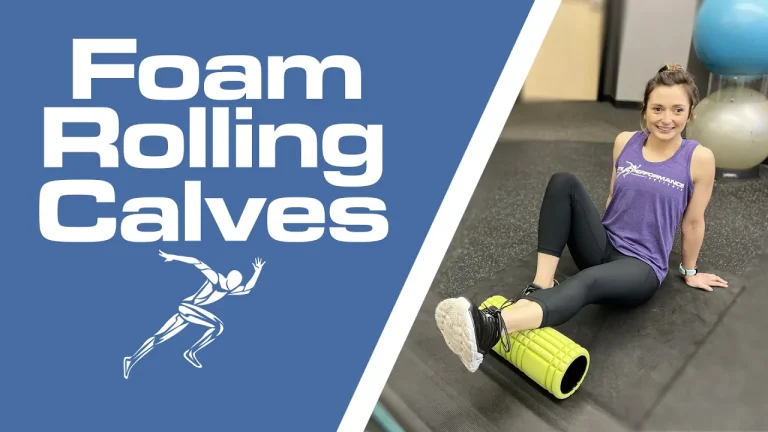 Foam RollingFoam Rolling CalvesSimple calf rolling with easy ways to bias inside/outside calf and add an elevated option if standard rolling doesn’t feel like enough.Equipment: Foam roller. Optional: small step/bench for an elevated version.View exercise
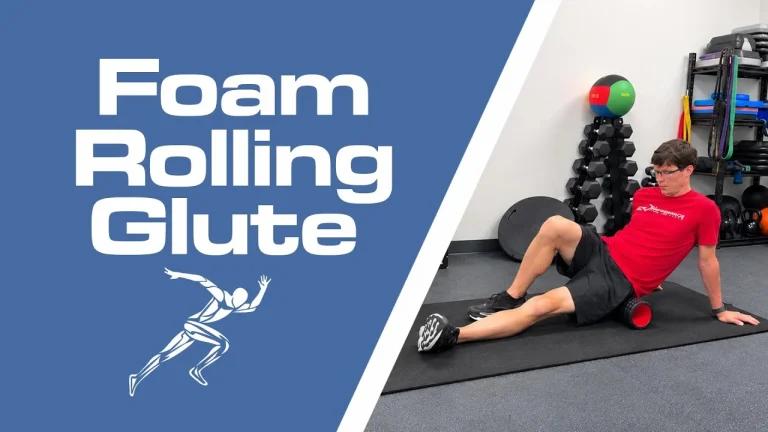 Foam RollingFoam Rolling GluteA targeted foam-rolling technique for the gluteal region to address soft-tissue stiffness and improve comfort around the posterior and lateral hip.Equipment: A foam roller and a comfortable floor surface.View exercise
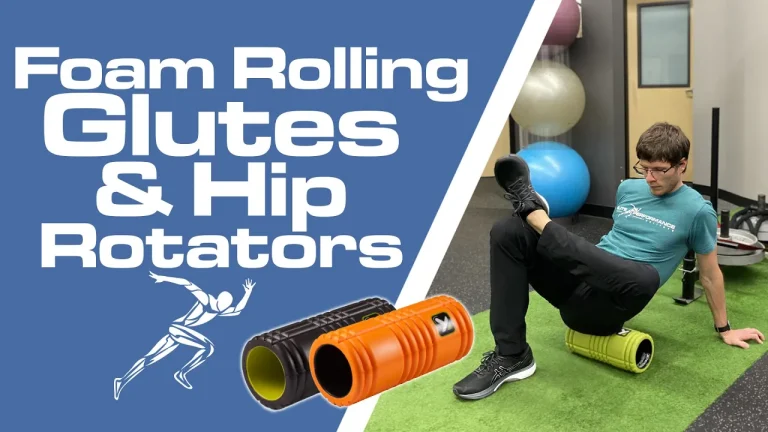 Foam RollingFoam Rolling Glutes And Hip RotatorsFigure-4 glute rolling that actually hits the deep hip rotators—using body angle (not random rolling) to target the right tissue.Equipment: Firm foam roller and a mat/carpet for comfort.View exercise
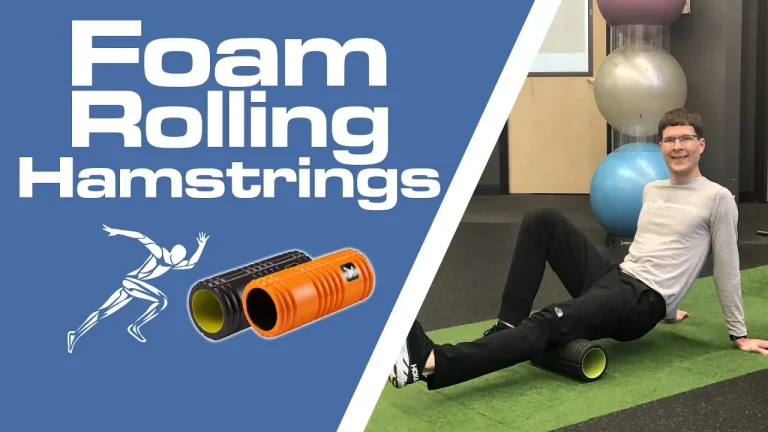 Foam RollingFoam Rolling HamstringsHamstring rolling with simple foot position changes to bias medial vs lateral hamstrings for more specific (and more useful) relief.Equipment: Foam roller and floor space (mat optional).View exercise
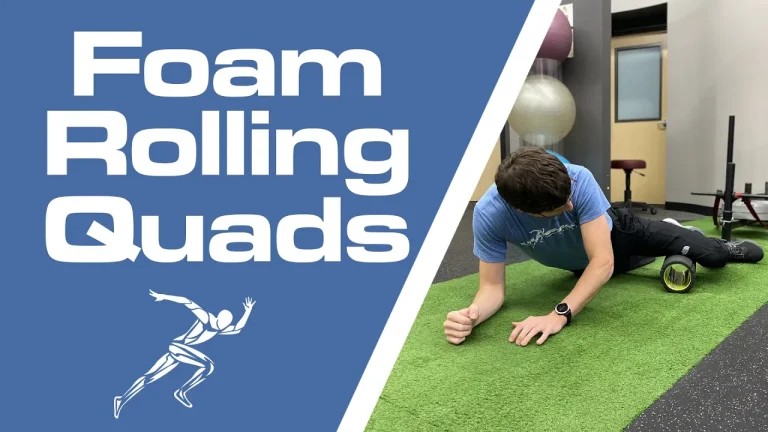 Foam RollingFoam Rolling QuadsA more precise quad rolling method that breaks the thigh into sections so you can target what’s actually sore after squats, lunges, or hills.Equipment: Foam roller and enough floor space to lie prone.View exercise
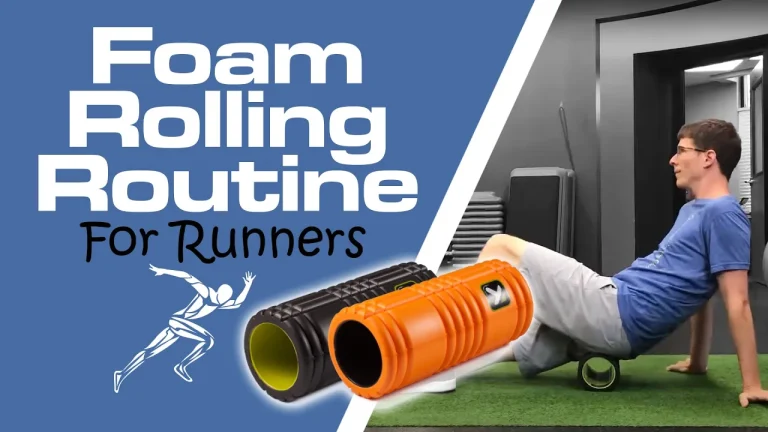 Foam RollingFoam Rolling Routine For RunnersA guided foam rolling routine for runners that addresses commonly tight areas throughout the lower body and can be used as part of a…Equipment: A foam roller and enough floor space to move comfortably. A softer roller may be more appropriate for beginners or sensitive areas.View exercise
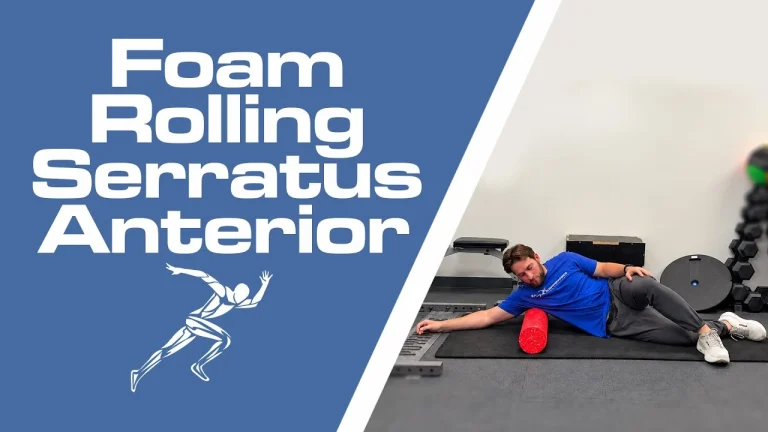 Foam RollingFoam Rolling Serratus AnteriorA targeted foam-rolling technique for the serratus anterior and lateral rib-cage region to address soft-tissue stiffness around the side of the chest and shoulder…Equipment: A foam roller and a comfortable floor surface.View exercise
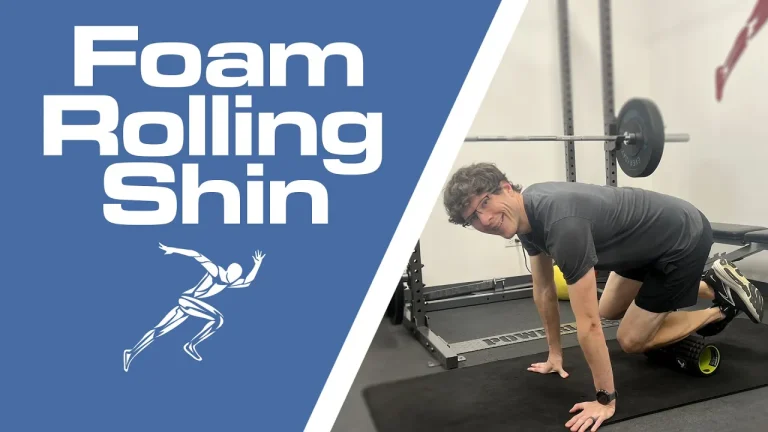 Foam RollingFoam Rolling ShinTwo lower-leg options to work the muscles along the front/outer shin—useful after running or jumping when the lower leg feels tight.Equipment: Foam roller (or firmer roller if tolerated). Optional lacrosse ball for smaller areas.View exercise
No exercises match this search. Try a different keyword or clear your search.
02 / THE MOVEMENT
Use foam rolling as one part of a movement routine
These videos demonstrate foam roller positions and ways to adjust pressure for different regions. Foam rolling may temporarily alter how movement feels or perceived stiffness, but it should complement rather than replace appropriate strengthening and activity.
03 / HELPFUL GUIDANCE
Common questions
Does foam rolling permanently loosen muscle tissue?
Evidence does not establish permanent physical lengthening of tissue from foam rolling. Many people use it for short-term comfort or range-of-motion changes.
Should foam rolling be painful to work?
No. Pressure can feel firm without being intense. Reduce pressure or stop if you notice sharp, radiating, or lingering pain.
These exercise demonstrations are for general education, not an individualized diagnosis or treatment plan. Modify or stop activities that worsen symptoms and seek appropriate guidance when needed.