
Standing Hip Extension with Band
A standing, low-back-friendly posterior chain drill that targets the glute max and hamstrings using an anchored resistance band.
EPI video demonstration · Watch on YouTube
Muscles Targeted
Gluteus maximus, hamstrings (assist), deep core stabilizers, stance-leg hip stabilizers.
Key Benefits
- Targets hip extension without needing heavy equipment
- Great option for runners and athletes needing standing posterior chain work
- Helps reduce compensation from the low back when cued correctly
- Easy progression by stepping farther from the anchor
Equipment Needed
Resistance band anchored low (door anchor, pole, etc.) and a wall/chair for balance support if needed.
How to Perform Standing Hip Extension with Band
- Anchor the band low and loop it around your working ankle.
- Stand tall with ribs stacked over pelvis and a slight knee bend on the stance leg.
- Keeping the working leg mostly straight, drive the leg backward from the hip.
- Pause briefly at end-range without arching your low back.
- Return slowly under control and repeat, then switch sides.
Programming Options
- 2–4 sets of 10–20 reps per side
- Tempo option: 2 seconds back, 3 seconds return
- Progress by stepping farther from the anchor or using a stronger band
Why This Variation Works
The band provides a consistent resistance curve through hip extension, which builds posterior chain capacity in a very joint-friendly standing setup.
When to Use It
Glute warm-ups, accessory work, and rehab progressions when you need standing hip extension without heavy spinal loading.
Related Glute Exercises
For more banded and single-leg progressions, explore Glute Exercises.
Frequently Asked Questions
How do I keep my low back from taking over?
Keep ribs stacked, squeeze the glute at end-range, and stop short of the point where you start arching.
Should my knee be straight?
Mostly straight is fine. A soft knee can help you feel the glute better and reduce hamstring cramping.
What’s a common mistake?
Letting the band pull you forward too fast. Slow the return phase and keep tension under control.
More exercises in this collection
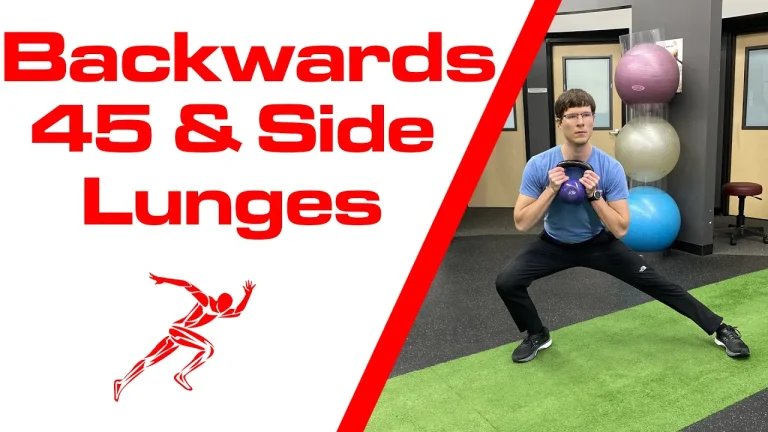
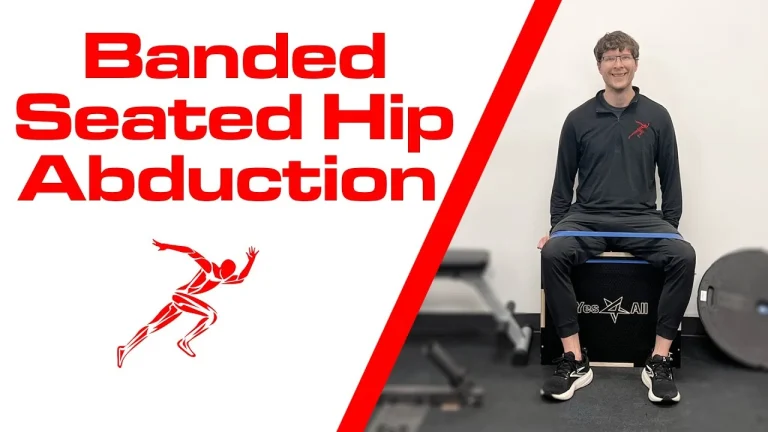
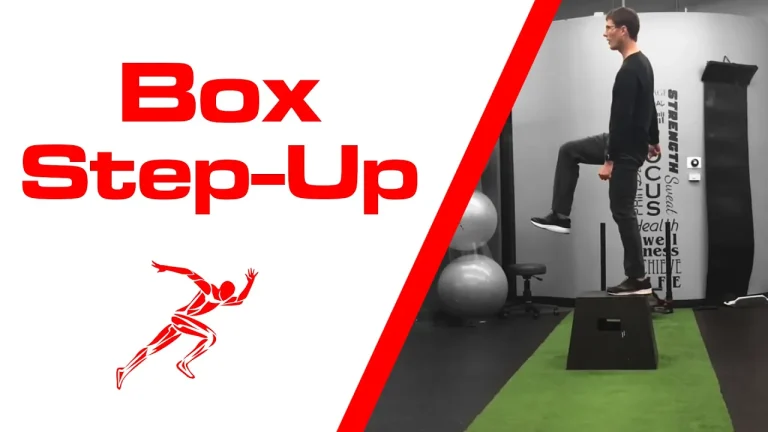
Explore other videos in Glute Exercises. These movements are related by category, not necessarily direct progressions.

Educational exercise information only. This is not an individualized treatment plan. Modify or stop any exercise that worsens symptoms, and seek appropriate professional guidance when needed.