
Runner Strength Workout: Step-Ups + Copenhagen Adduction + Core (23 Min)
EPI video demonstration · Watch on YouTube
A runner strength workout using step-ups, Copenhagen adduction exercise, front plank variations, and isometric clamshells to build lower-body strength, hip stability, and core control.
About this workout
Muscles Targeted
Glutes, adductors, quadriceps, deep core muscles, obliques, and lateral hip stabilizers.
Key Benefits
- Builds single-leg strength with step-ups
- Strengthens the adductors with Copenhagen work
- Improves core control through plank variations
- Supports hip stability and running mechanics
Equipment Needed
Bench or step for step-ups, optional weights for step-ups, resistance band for isometric clamshells, and a mat for the floor work.
Why This Workout Works
This workout covers several important areas runners often miss: adductor strength, hip stability, and trunk control in addition to basic lower-body strength. That can help support better mechanics and more resilient running.
When to Use It
Use it when you want a runner strength session focused on step-ups, groin strength, and plank-based trunk control.
How to follow this workout
Make every rep count
- Follow the setup and movement demonstrated in the video.
- Keep the movement controlled and adjust the range or load if your technique changes.
- Continue breathing normally and pause when you need to reset.
How to use it
How to Use This Workout
- Set up a stable step or bench, a band, and a mat before starting.
- Follow along through step-ups, Copenhagen adduction exercise, front plank variations, front-to-side plank, and isometric clamshells.
- Stay controlled through the hips and trunk, especially on the step-ups and Copenhagen work.
- Use optional load only if the quality of the movement stays high.
- Place the workout thoughtfully in your week if you are already doing a lot of running or adductor-heavy work.
Programming Options
- Use 1–3 times per week depending on recovery and total load
- Works well on easier run days or as a structured strength session
- A strong option when you want step-up strength, adductor work, and core training in one session
Explore related exercises
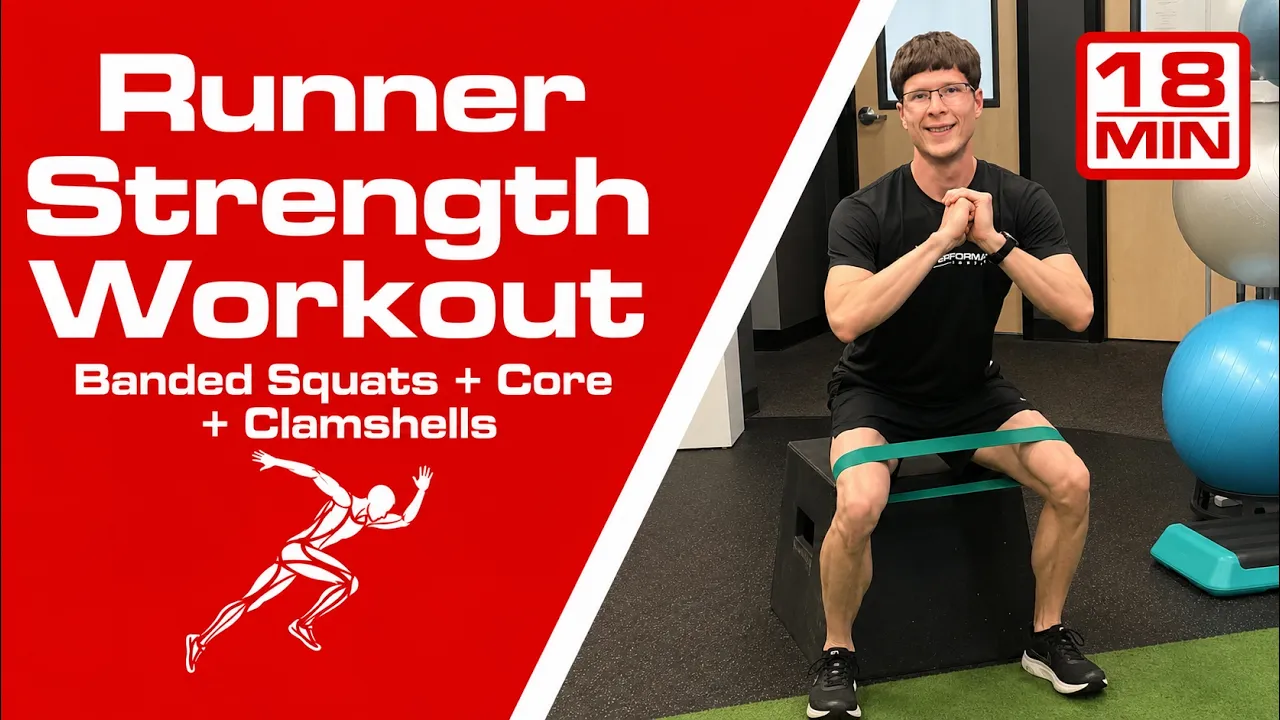
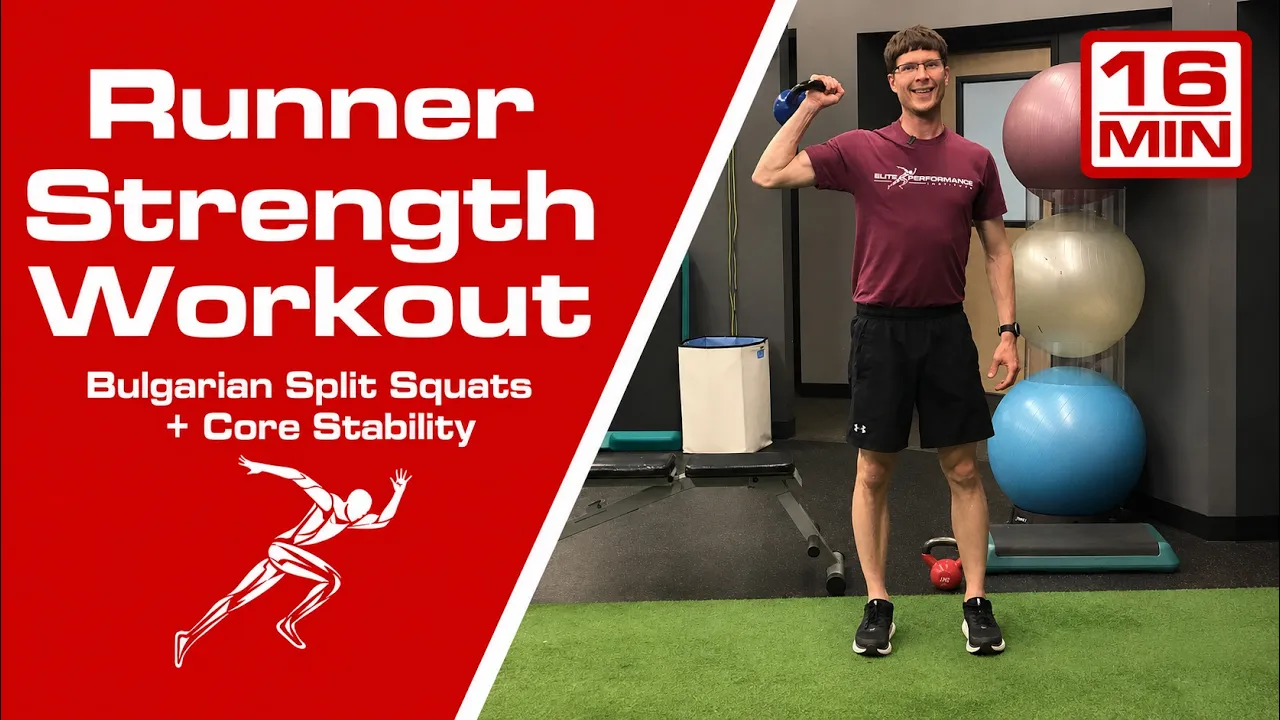
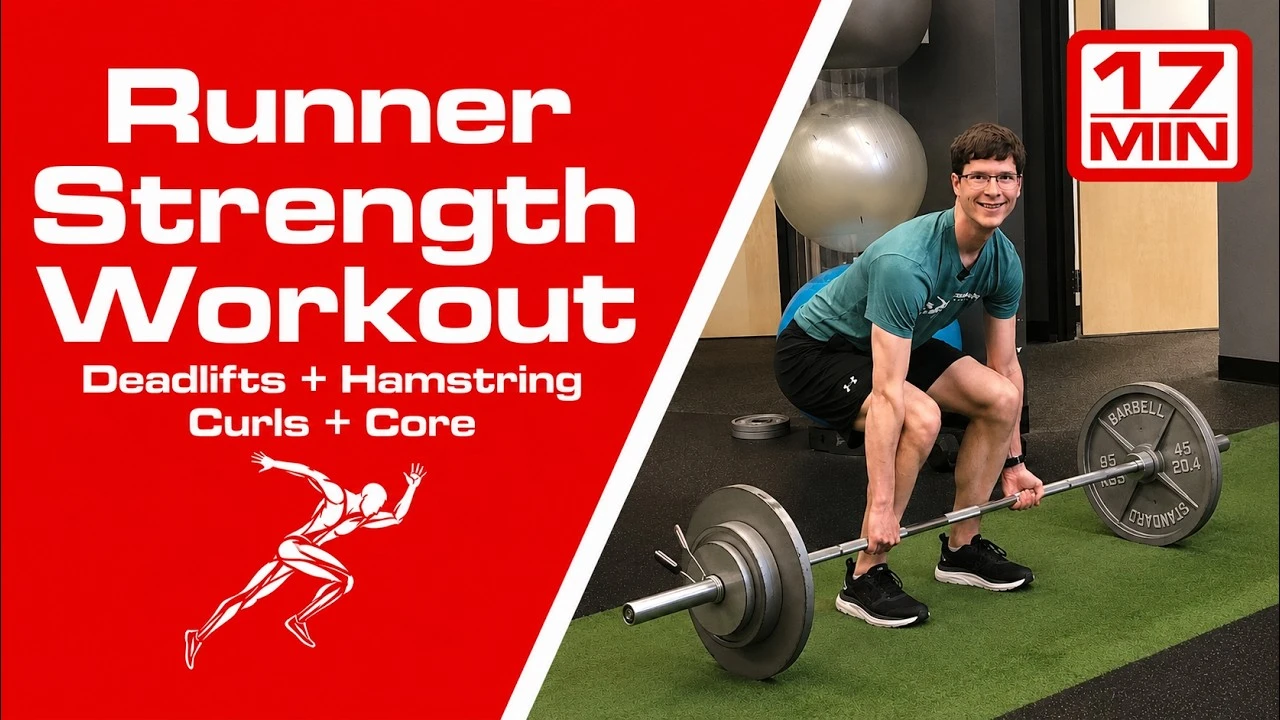
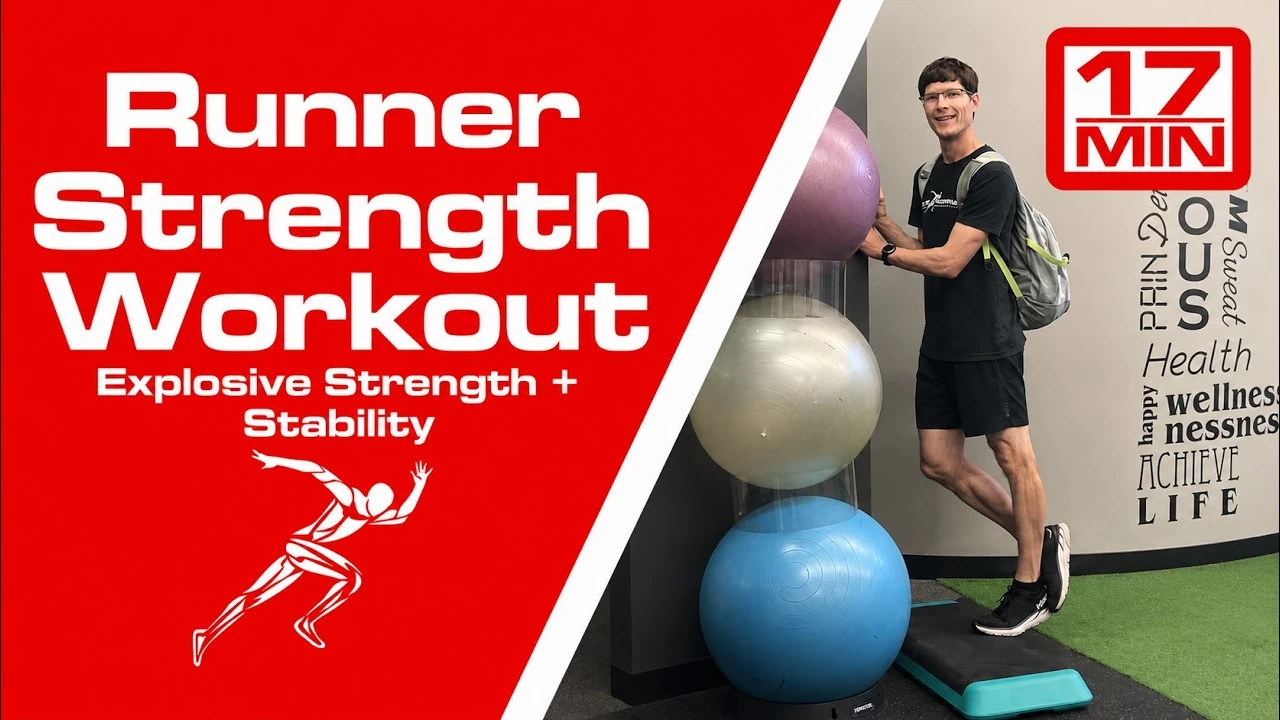
Explore related demonstrations. These are options to explore, not automatic exercise progressions.
Common questions
Why include Copenhagen adduction exercise in a runner workout?
The adductors help with pelvic control and force transfer, and they are often undertrained in runners.
Can I do step-ups without weight?
Yes. Bodyweight step-ups can still be effective if the setup and control are good.
Is this workout good for hip stability?
Yes. The combination of step-ups, Copenhagen work, planks, and clamshells makes it very useful for hip and trunk stability.
Educational exercise information only. This is not an individualized treatment plan. Modify or stop any exercise that worsens symptoms, and seek appropriate professional guidance when needed.
Equipment options
Amazon affiliate links. As an Amazon Associate I earn from qualifying purchases. Use suitable equipment you already own, or explore these options.
Choose resistance appropriate for your exercise.