
Eccentric Bicep Curl
EPI video demonstration · Watch on YouTube
A slow-lowering curl variation that builds tendon and muscle capacity by emphasizing the eccentric phase with clean, controlled form.
About this movement
Muscles Targeted
Biceps brachii, brachialis, brachioradialis, forearm flexors, and supporting shoulder stabilizers.
Key Benefits
- Builds strength with a joint-friendly emphasis on control
- Helpful for tendon capacity when standard curls irritate symptoms
- Reduces momentum and “swinging” by slowing the lowering phase
- Easy to scale by tempo, load, and range
Equipment Needed
Dumbbell (or any weight). Optional: wall support to keep the torso still.
Why This Variation Works
Eccentric loading is a strong way to build tissue tolerance and strength without needing maximal weight.
When to Use It
Strength training, arm days, return-to-lifting plans, or when you want more control than standard curls.
How to perform Eccentric Bicep Curl
- Curl the weight up with both arms (or use the other arm to help).
- Release so the working arm does the lowering.
- Lower slowly for 3–6 seconds.
- Keep shoulder relaxed and elbow near your side.
- Repeat for reps, then switch sides.
Make every rep count
- Follow the setup and movement demonstrated in the video.
- Keep the movement controlled and adjust the range or load if your technique changes.
- Continue breathing normally and pause when you need to reset.
How to use it
Programming Options
- 2–4 sets of 6–10 reps (slow eccentrics)
- Tempo: 3–6 seconds down
- Rest 60–120 seconds
Explore related exercises
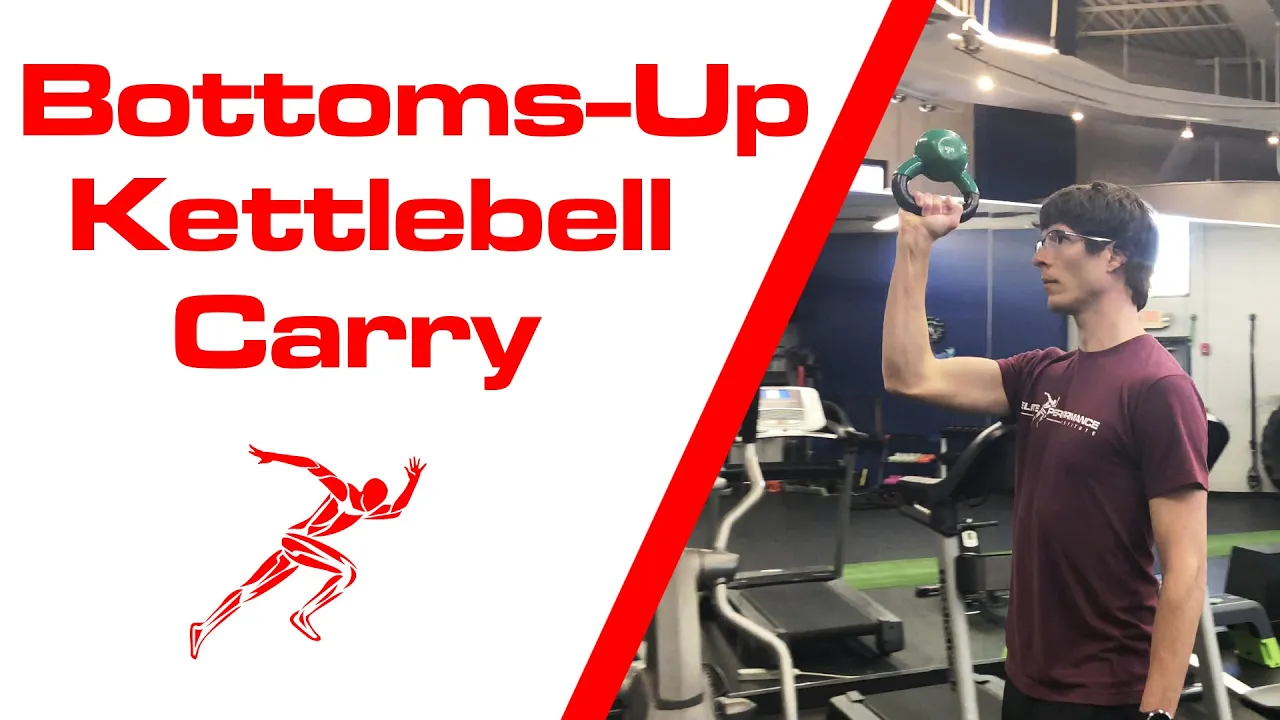
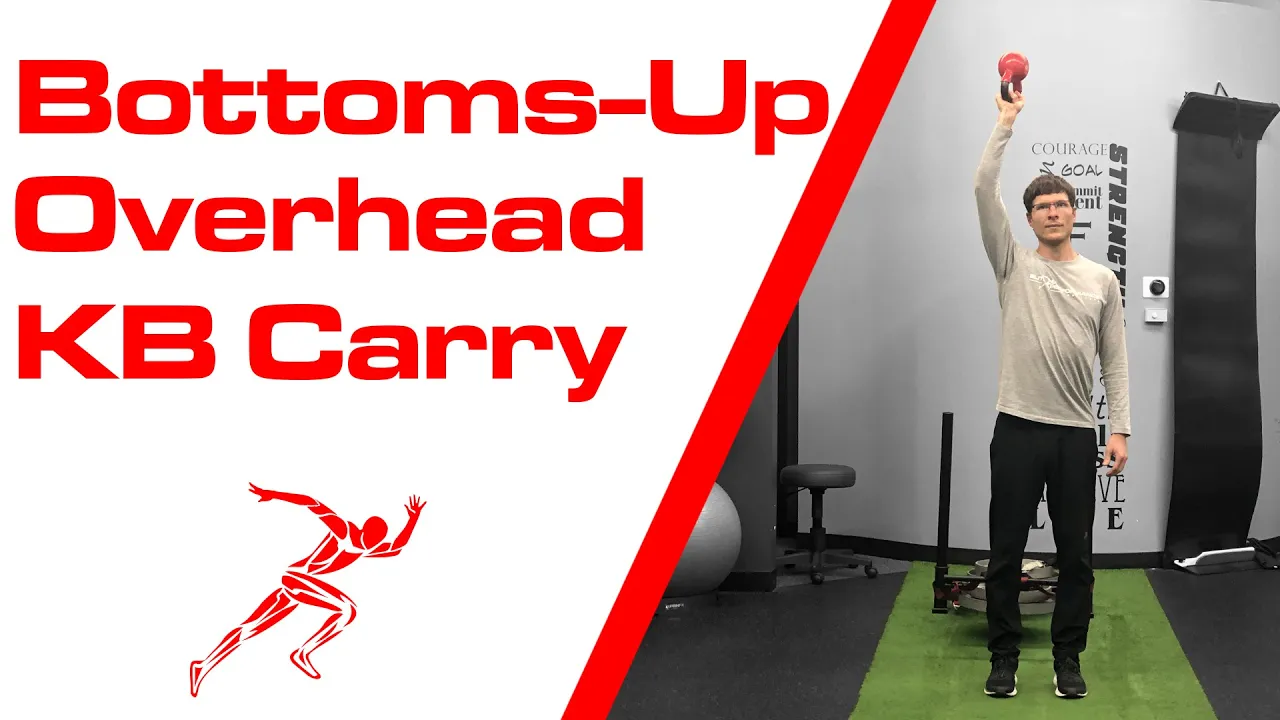
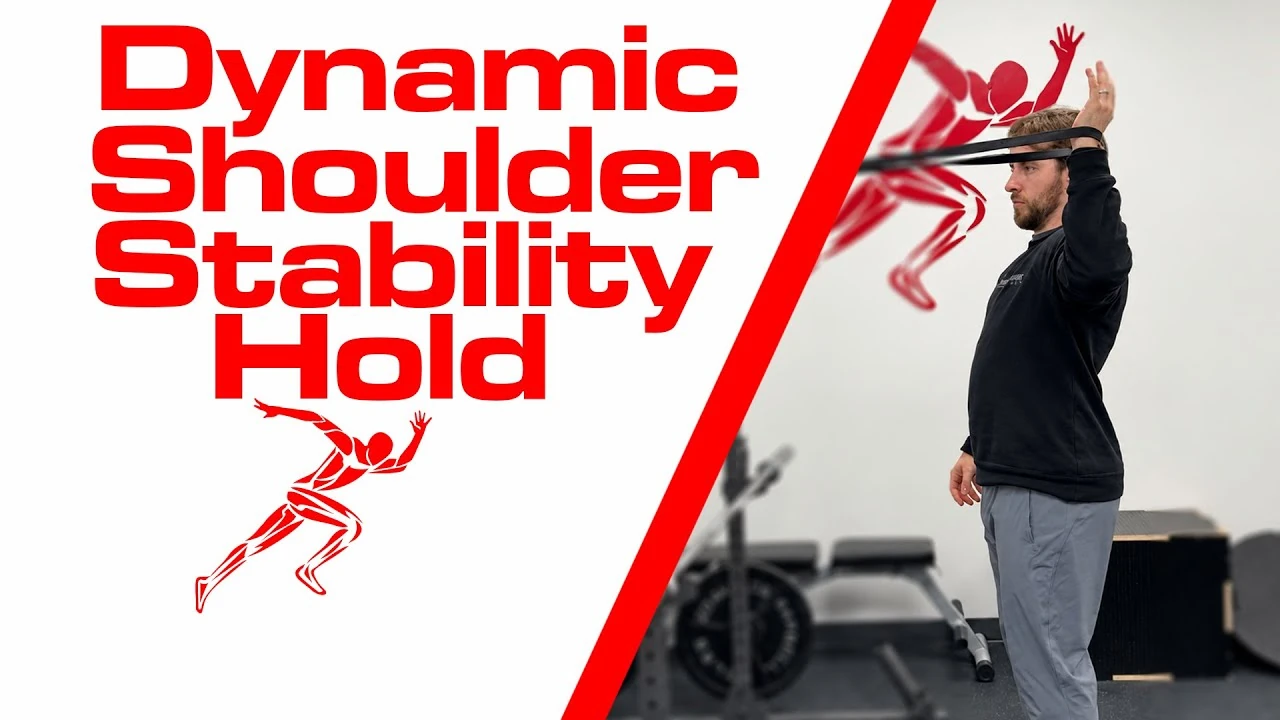
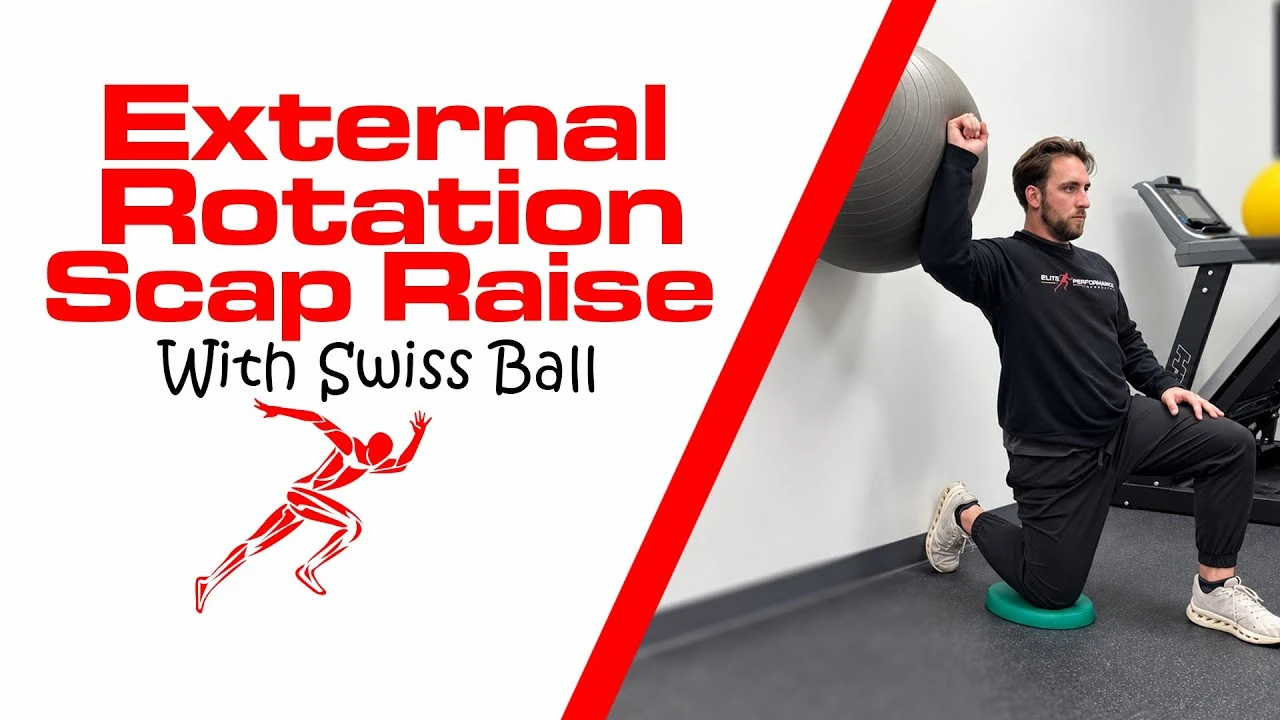
Explore related demonstrations. These are options to explore, not automatic exercise progressions.
Common questions
Should I go heavy?
Start moderate. The slow lowering increases difficulty quickly — quality matters more than load.
Can I do this if the front of my shoulder is sore?
Keep the shoulder from rolling forward and avoid painful ranges. If symptoms persist, scale load/range.
How slow is “slow”?
Aim for 3–6 seconds down. If you can’t control that tempo, reduce weight.
Educational exercise information only. This is not an individualized treatment plan. Modify or stop any exercise that worsens symptoms, and seek appropriate professional guidance when needed.