
Tall Kneeling Med Ball Slam
EPI video demonstration · Watch on YouTube
A tall-kneeling slam that forces power to come from the hips and trunk (not leg momentum), improving stiffness and force transfer through the entire body.
About this movement
Muscles Targeted
Hip extensors, trunk stiffness (anti-extension), lats, shoulders/arms for force transfer.
Key Benefits
- Builds explosive hip extension without leg drive
- Improves trunk stiffness and energy transfer
- Simple and intense, great for power sessions
- Great option when space is limited (vertical slam)
Equipment Needed
Slam-style medicine ball + open floor space (mat optional).
Why This Variation Works
Tall kneeling removes help from the legs, so the hips and trunk must produce and transmit force efficiently.
When to Use It
As a power primer after warm-up, conditioning finisher (short bursts), or in-season power maintenance.
How to perform Tall Kneeling Med Ball Slam
- Start tall kneeling with ribs stacked over pelvis.
- Bring the ball overhead while staying braced.
- Drive hips through and slam the ball down hard.
- Catch/reset with control and repeat.
- Keep reps explosive and crisp.
Make every rep count
- Follow the setup and movement demonstrated in the video.
- Keep the movement controlled and adjust the range or load if your technique changes.
- Continue breathing normally and pause when you need to reset.
How to use it
Programming Options
- 3–6 sets of 4–8 slams
- Rest 60–120 seconds
- Stop before the slam slows down
Explore related exercises
Related Medicine Ball Throws
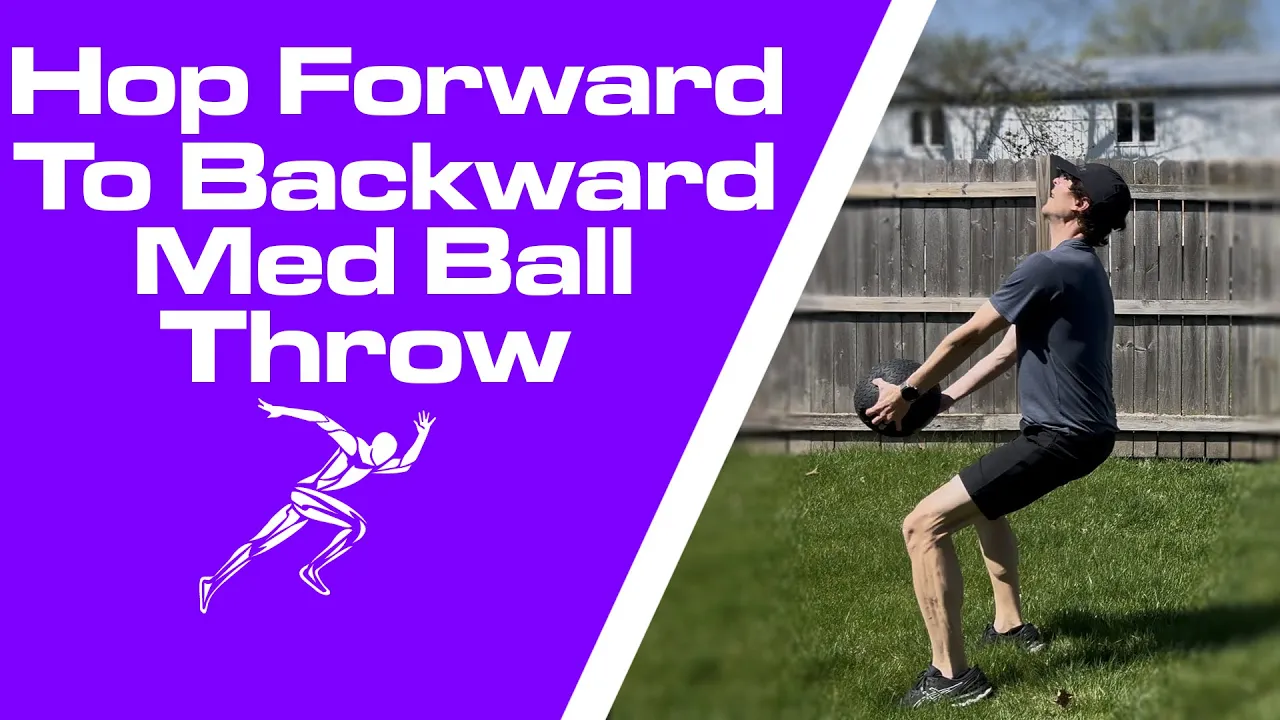
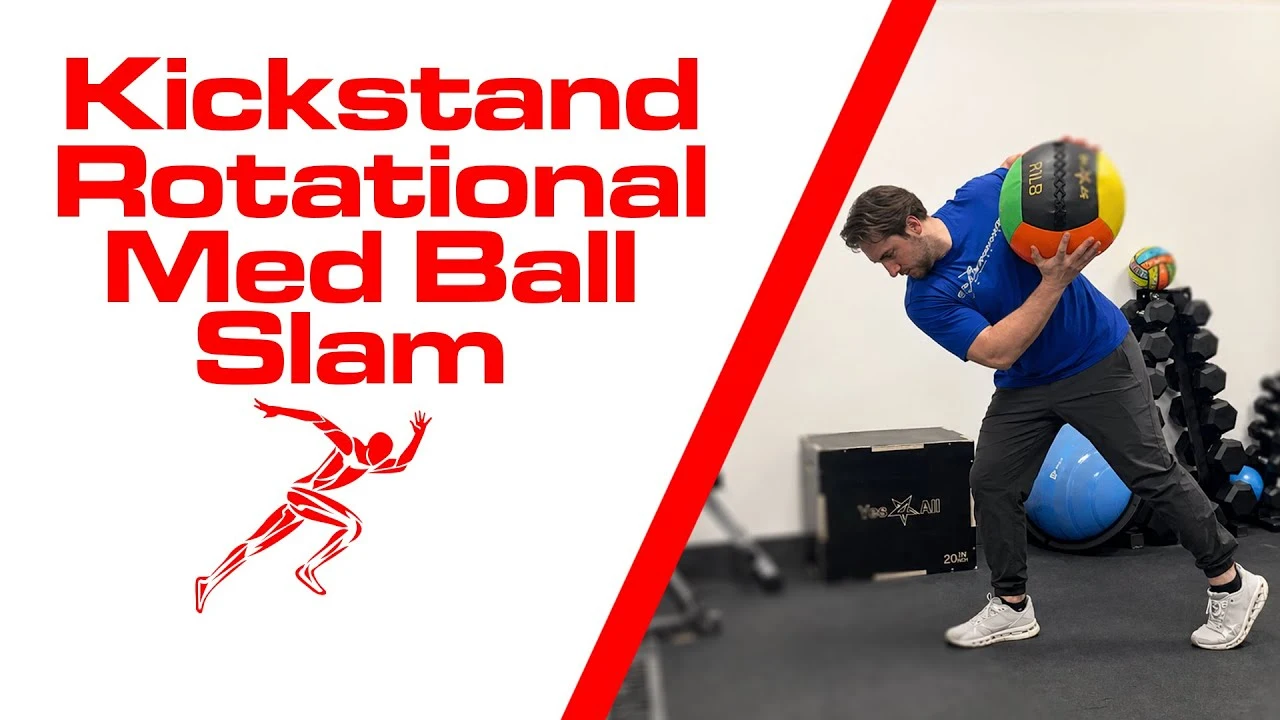
Explore the Medicine Ball Throws category for backward throws, rotational wall throws, and lunge variations.
Explore related demonstrations. These are options to explore, not automatic exercise progressions.


Common questions
Can I use a normal med ball?
Prefer a slam ball. Standard med balls can bounce back aggressively.
Should my hips move?
Yes—think hips drive the slam while the trunk stays braced and stacked.
What if my knees hurt in tall kneeling?
Use a thicker pad, reduce volume, or switch to standing throws.
Educational exercise information only. This is not an individualized treatment plan. Modify or stop any exercise that worsens symptoms, and seek appropriate professional guidance when needed.