
Lunge Med Ball Throw
EPI video demonstration · Watch on YouTube
A split-stance throw that trains you to drive power from the legs and hips while the trunk stays braced—excellent for sport positions that aren’t symmetrical.
About this movement
Muscles Targeted
Glutes, quads, hip stabilizers, trunk anti-extension/anti-rotation stiffness, plus upper body force transfer.
Key Benefits
- Builds power in split-stance positions
- Reinforces hip drive with a braced trunk
- Great for sprinting, cutting, and field sports
- Easy to progress with speed and ball weight
Equipment Needed
Medicine ball + solid wall (or partner) and enough space to step into a lunge.
Why This Variation Works
Many sport moves happen off one leg. This builds usable power and force transfer in that exact stance.
When to Use It
Power days, pre-sprint prep, or as a low-equipment explosiveness option in-season.
How to perform Lunge Med Ball Throw
- Start facing the wall in a split stance (or step into the lunge).
- Brace the trunk and keep weight centered through the front foot.
- Drive through the legs/hips and throw into the wall.
- Reset your stance and repeat with crisp reps.
- Switch lead leg and match sides.
Make every rep count
- Follow the setup and movement demonstrated in the video.
- Keep the movement controlled and adjust the range or load if your technique changes.
- Continue breathing normally and pause when you need to reset.
How to use it
Programming Options
- 3–5 sets of 4–8 reps per side
- Rest 60–120 seconds
- Keep every rep fast and clean
Explore related exercises
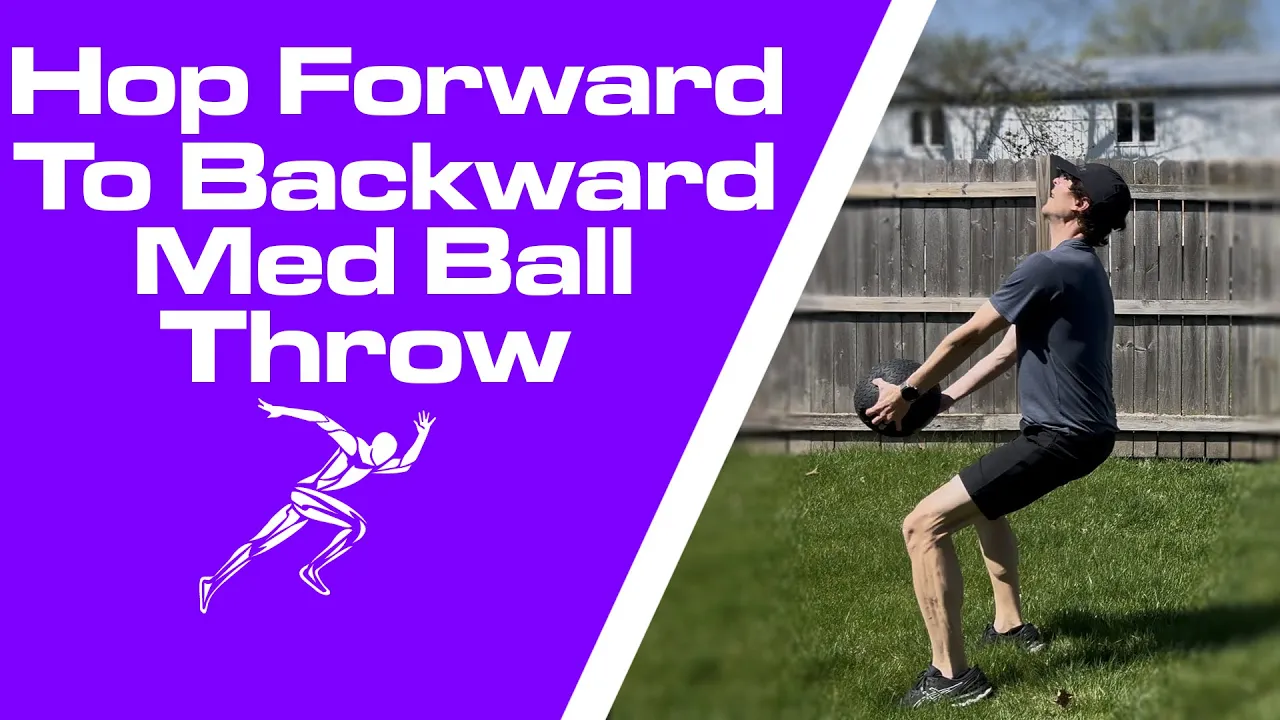
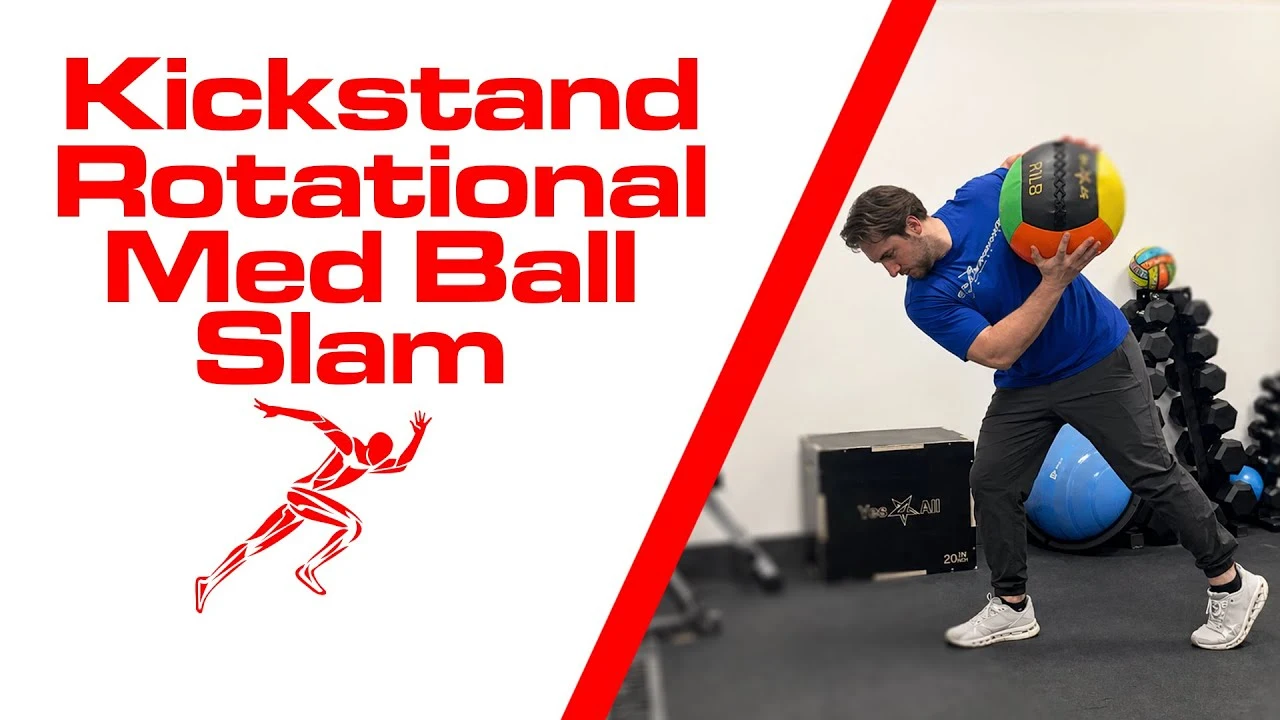
Related Medicine Ball Throws
Explore the Medicine Ball Throws category for rotational throws, hops, and slam drills.
Explore related demonstrations. These are options to explore, not automatic exercise progressions.


Common questions
How far from the wall should I stand?
Usually 3–6 feet. Far enough to move fast without jamming the catch.
Should I alternate legs each rep?
Either works. Alternating is great for flow; same-side sets help power output.
What if my front knee caves in?
Reduce load and slow down slightly until alignment stays solid, then build speed back up.
Educational exercise information only. This is not an individualized treatment plan. Modify or stop any exercise that worsens symptoms, and seek appropriate professional guidance when needed.
Equipment options
Amazon affiliate links. As an Amazon Associate I earn from qualifying purchases. Use suitable equipment you already own, or explore these options.
Additional equipment linked in the video description.