
Prone Hamstring Curl with Swiss Ball
EPI video demonstration · Watch on YouTube
Prone Swiss ball curls that can be done double- or single-leg to strengthen the hamstrings through a long range with smooth, controlled reps.
About this movement
Muscles Targeted
Hamstrings (knee-flexion emphasis), glute max support, and trunk stabilizers.
Key Benefits
- Long-range hamstring strengthening with controllable intensity
- Easy to scale: double-leg for control, single-leg for challenge
- Swiss ball adds a stability demand without heavy equipment
- Great accessory for runners and field-sport athletes
Equipment Needed
Swiss ball and a mat (slightly deflating the ball can improve grip).
Why This Variation Works
Swiss ball curls train hamstring strength through knee flexion while also demanding pelvic control—useful for athletes who lose alignment when fatigued.
When to Use It
Accessory work after hinges, runner strength circuits, or hamstring endurance training phases.
How to perform Prone Hamstring Curl with Swiss Ball
How to Perform
- Lie on your stomach with ankles on the Swiss ball.
- Brace and keep hips level.
- Curl heels toward your glutes, rolling the ball in.
- Slowly extend back out under control.
- Progress to single-leg reps once double-leg is smooth.
Make every rep count
- Follow the setup and movement demonstrated in the video.
- Keep the movement controlled and adjust the range or load if your technique changes.
- Continue breathing normally and pause when you need to reset.
How to use it
Programming Options
- 3–4 sets of 8–15 reps
- Rest 60–120 seconds between sets
- Progress by slowing tempo or moving to single-leg reps
Explore related exercises
Related Hamstring Exercises
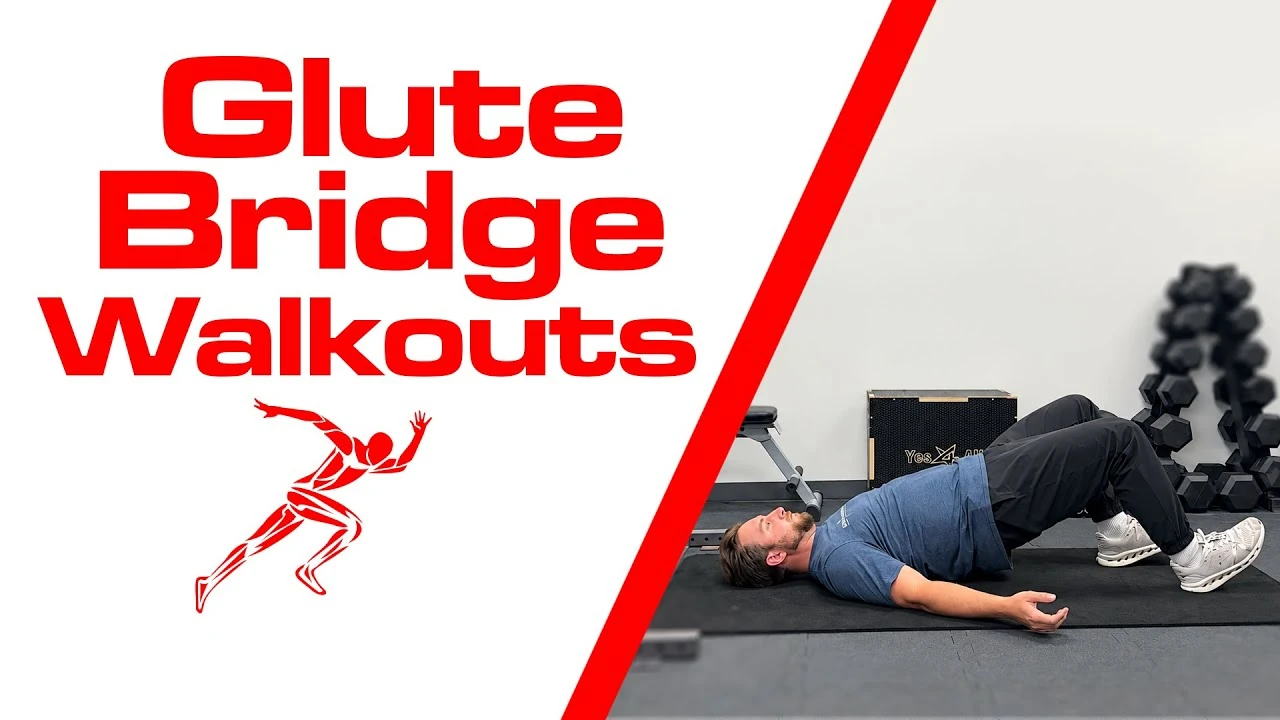
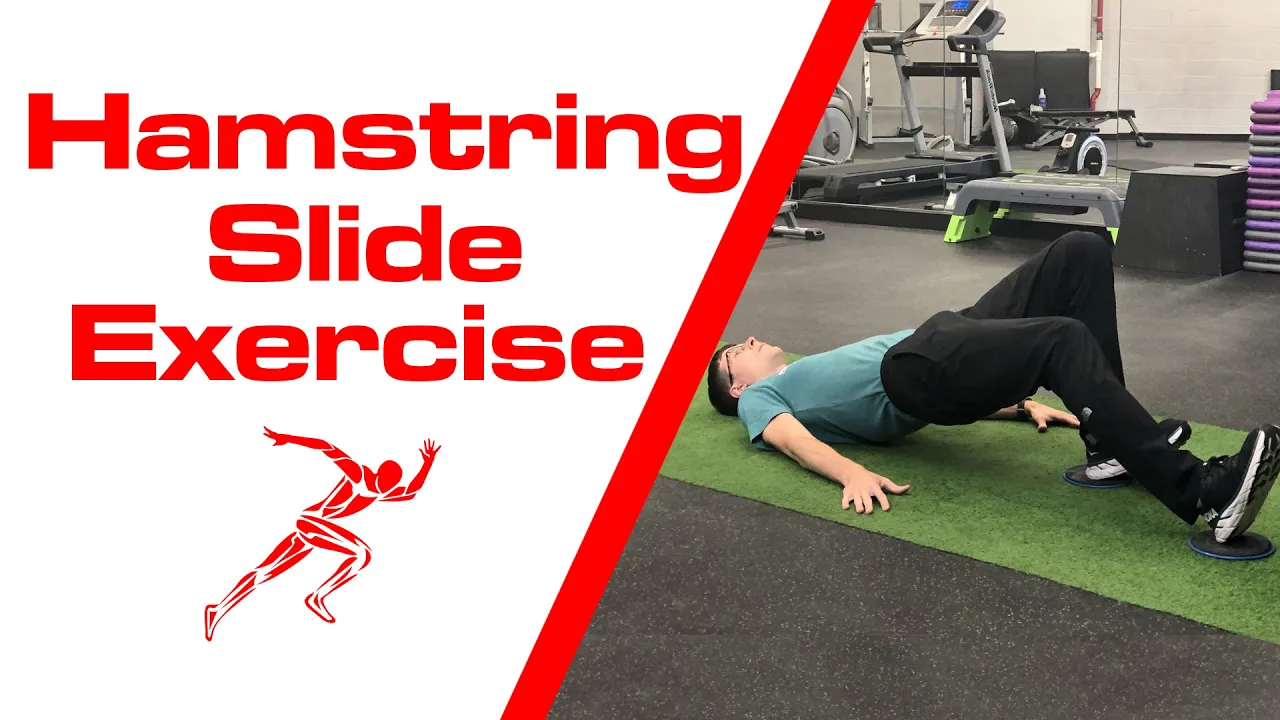
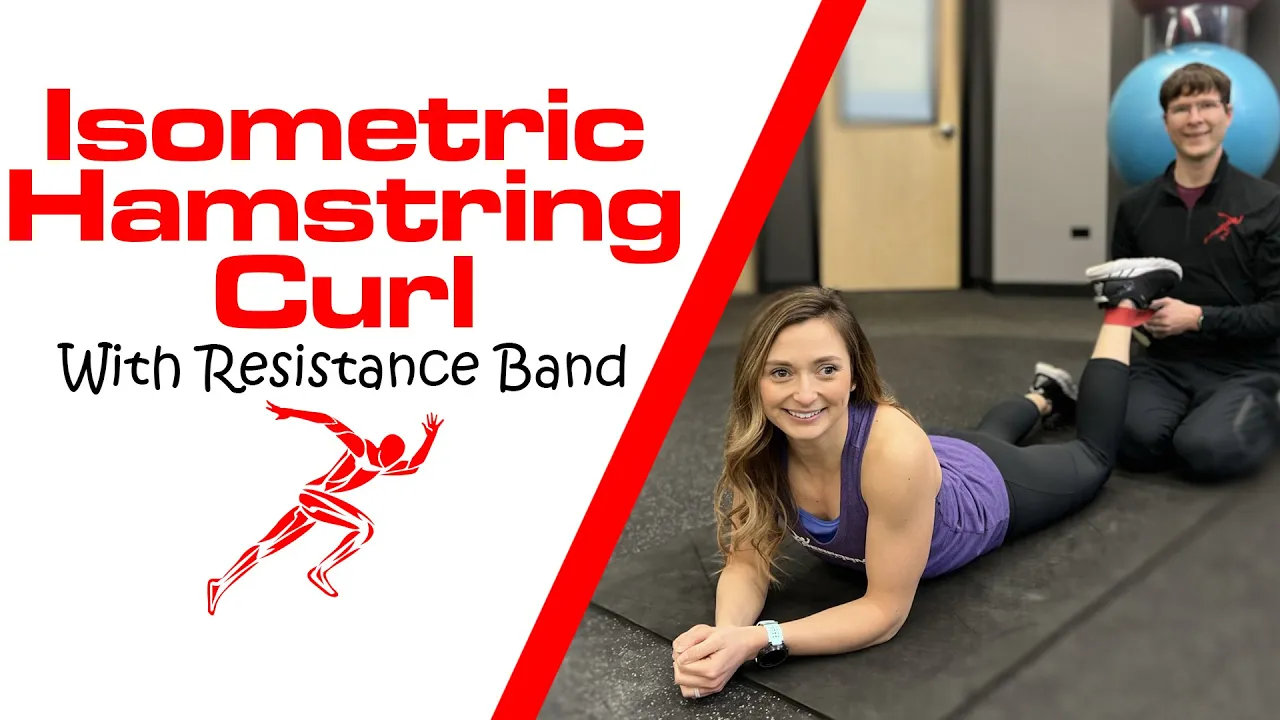
Explore the Hamstring Exercises category for bridge-based Swiss ball curls, sliders, and Nordics.
Explore related demonstrations. These are options to explore, not automatic exercise progressions.

Common questions
Should my hips lift up?
Keep hips steady and level. If you’re arching or twisting, slow down or switch to double-leg.
Is single-leg necessary?
No, but it’s a great progression once control is solid.
What if the ball slips?
Use a mat for traction or slightly deflate the ball for better grip.
Educational exercise information only. This is not an individualized treatment plan. Modify or stop any exercise that worsens symptoms, and seek appropriate professional guidance when needed.