
Isometric Hamstring Exercise With Swiss Ball
EPI video demonstration · Watch on YouTube
Static heel-press holds on a Swiss ball to build hamstring and tendon tolerance with a simple setup that stays joint-friendly and easy to progress.
About this movement
Muscles Targeted
Hamstrings, glute max support, and trunk stabilizers.
Key Benefits
- High hamstring loading without reps or joint motion
- Swiss ball makes the effort self-limiting and controllable
- Great entry point before dynamic Swiss ball curls
- Useful for runners and athletes building posterior-chain capacity
Equipment Needed
Swiss ball (stability ball) and a mat.
Why This Variation Works
It builds hamstring tolerance and strength in a controlled way, which makes it a strong stepping stone to full range Swiss ball curls and Nordic progressions.
When to Use It
Early hamstring rehab, warm-ups before running, or as an accessory after hinge work.
How to perform Isometric Hamstring Exercise With Swiss Ball
How to Perform
- Lie on your back with heels on the Swiss ball and knees slightly bent.
- Bridge up and set the ribs down.
- Press heels into the ball as if you’re trying to “curl” it—hold.
- Keep hips level and breathe through the hold.
- Relax, rest, and repeat.
Make every rep count
- Follow the setup and movement demonstrated in the video.
- Keep the movement controlled and adjust the range or load if your technique changes.
- Continue breathing normally and pause when you need to reset.
How to use it
Programming Options
- 3–5 sets of 20–45 second holds
- Rest 90–150 seconds between sets
- Progress by increasing effort or extending the knees slightly (longer lever)
Explore related exercises
Related Hamstring Exercises
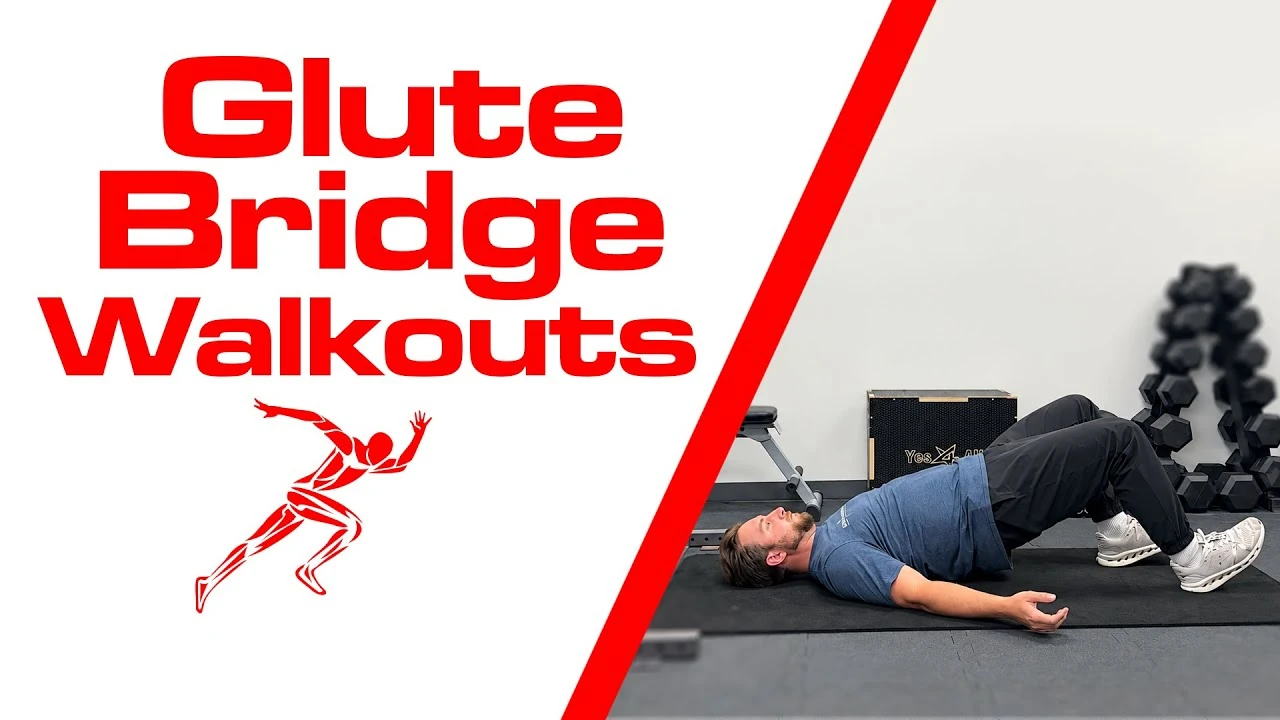
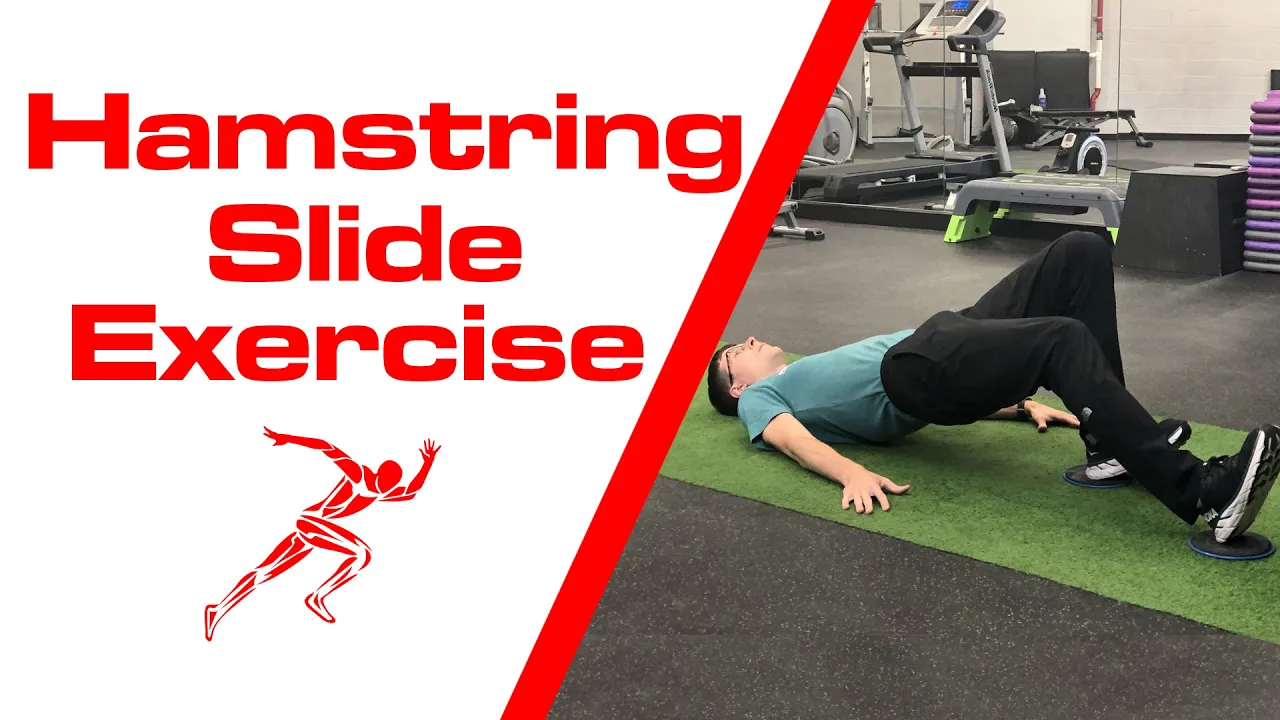
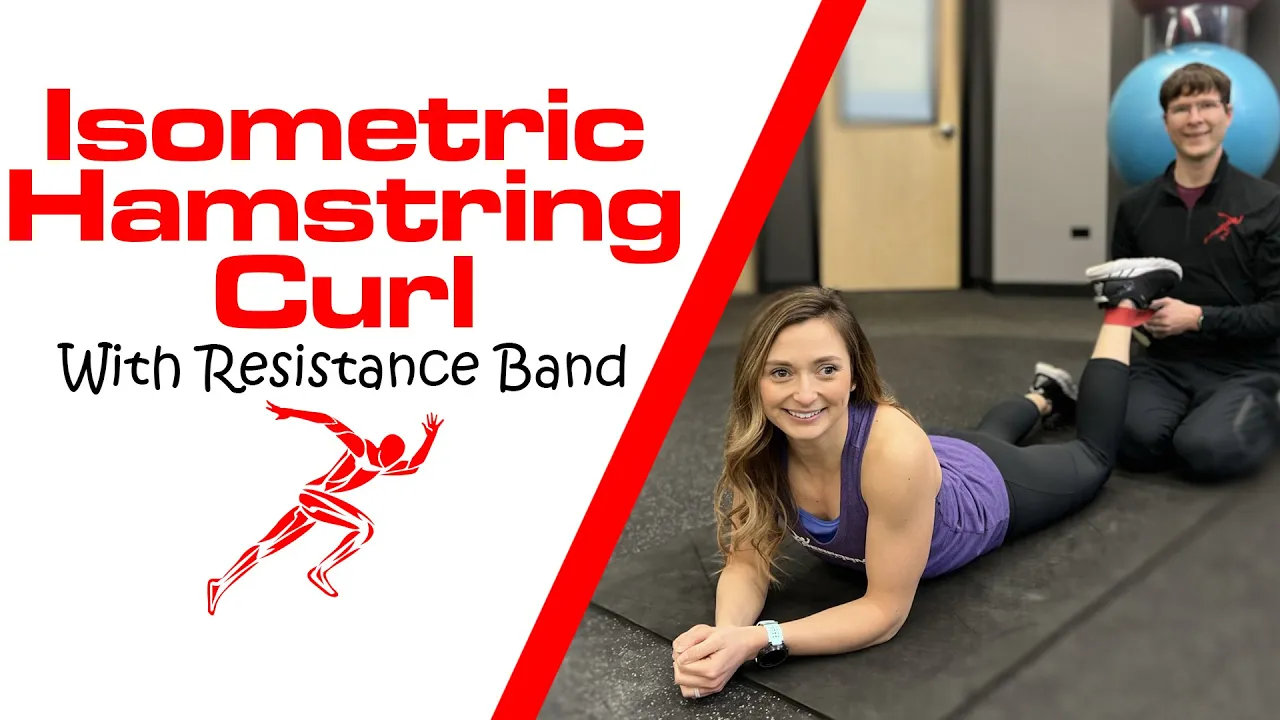
Explore the Hamstring Exercises category for Swiss ball curls, sliders, and Nordics.
Explore related demonstrations. These are options to explore, not automatic exercise progressions.

Common questions
Should I keep my hips high?
Yes—aim for a steady bridge. If hips drop, reduce effort slightly and rebuild.
Is this better than reps?
It’s different. This is great when you want strong tension with minimal movement. Reps come later.
Where should I feel it?
Back of the thighs. If you feel low back, reset ribs down and reduce bridge height.
Educational exercise information only. This is not an individualized treatment plan. Modify or stop any exercise that worsens symptoms, and seek appropriate professional guidance when needed.