
Suitcase Carry Exercise
EPI video demonstration · Watch on YouTube
A simple one-sided carry that trains upright posture and anti-lateral-flexion strength—an easy, effective building block for core stability.
About this movement
Muscles Targeted
Obliques, quadratus lumborum, deep core stabilizers, glutes, grip/forearm.
Key Benefits
- Improves upright posture and trunk stiffness
- Builds anti-lateral-flexion capacity safely
- Easy to scale by load and distance
- Excellent “real-world” strength carryover
Equipment Needed
Dumbbell or kettlebell and space to walk.
Why This Variation Works
Unilateral loading forces the trunk to resist side bending during gait—one of the most practical ways to train real stability.
When to Use It
Warm-ups, strength blocks, and rehab—especially when you want core stability without spinal motion.
How to perform Suitcase Carry Exercise
How to Perform the Suitcase Carry
- Hold the weight at your side.
- Stand tall with ribs over pelvis.
- Walk forward slowly and smoothly.
- Avoid leaning away from the load.
- Switch sides and repeat.
Make every rep count
- Follow the setup and movement demonstrated in the video.
- Keep the movement controlled and adjust the range or load if your technique changes.
- Continue breathing normally and pause when you need to reset.
How to use it
Programming Options
- 20–60 seconds per side
- 2–5 rounds
- Option: shorter distance with heavier load
Explore related exercises
Related Core Exercises
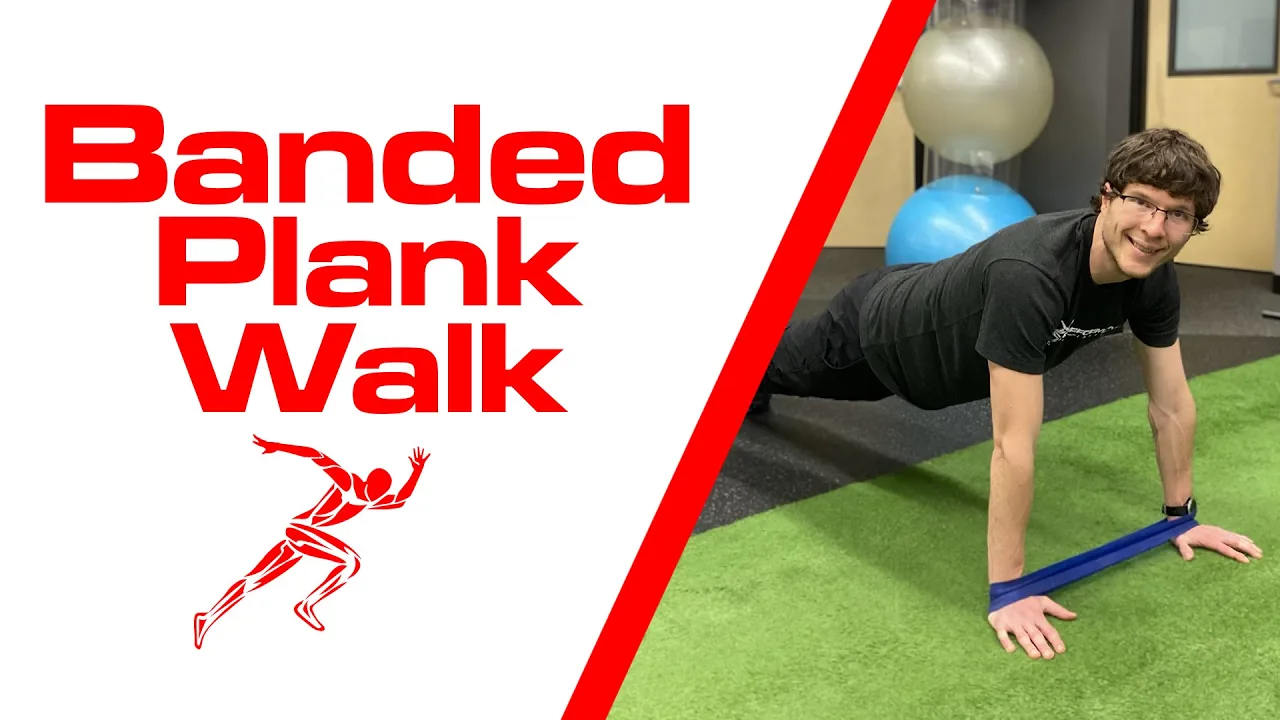
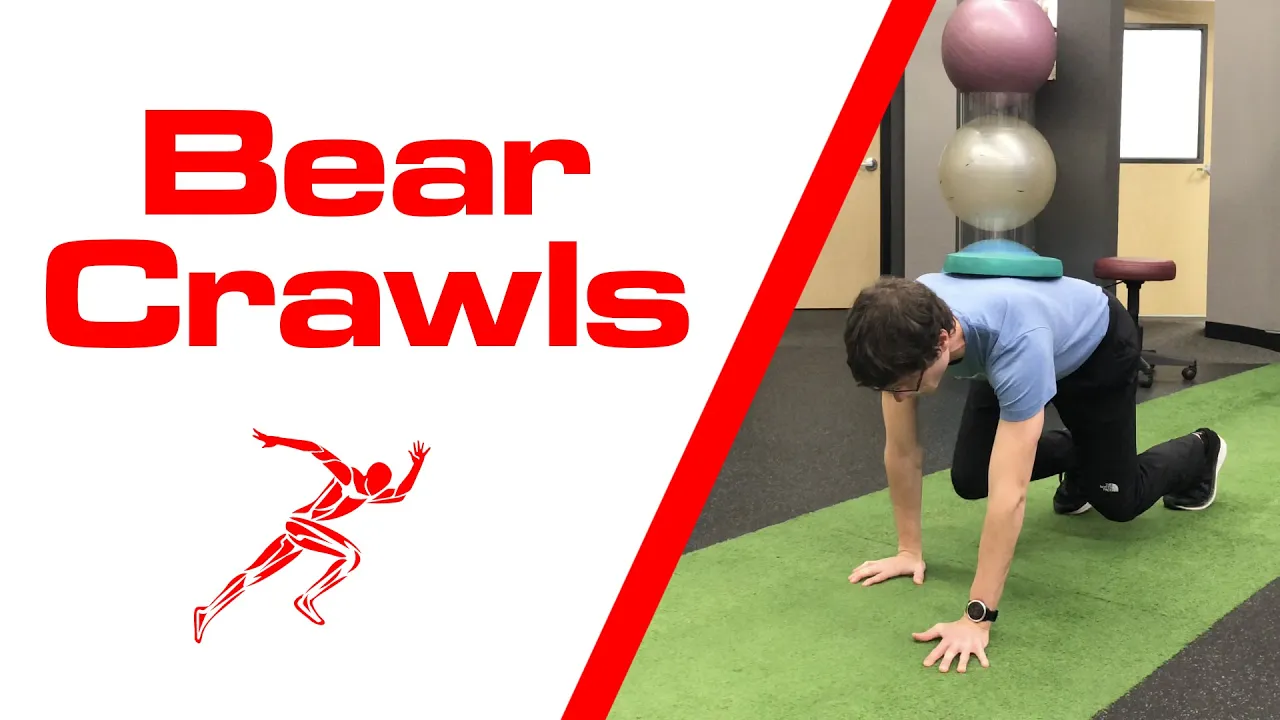
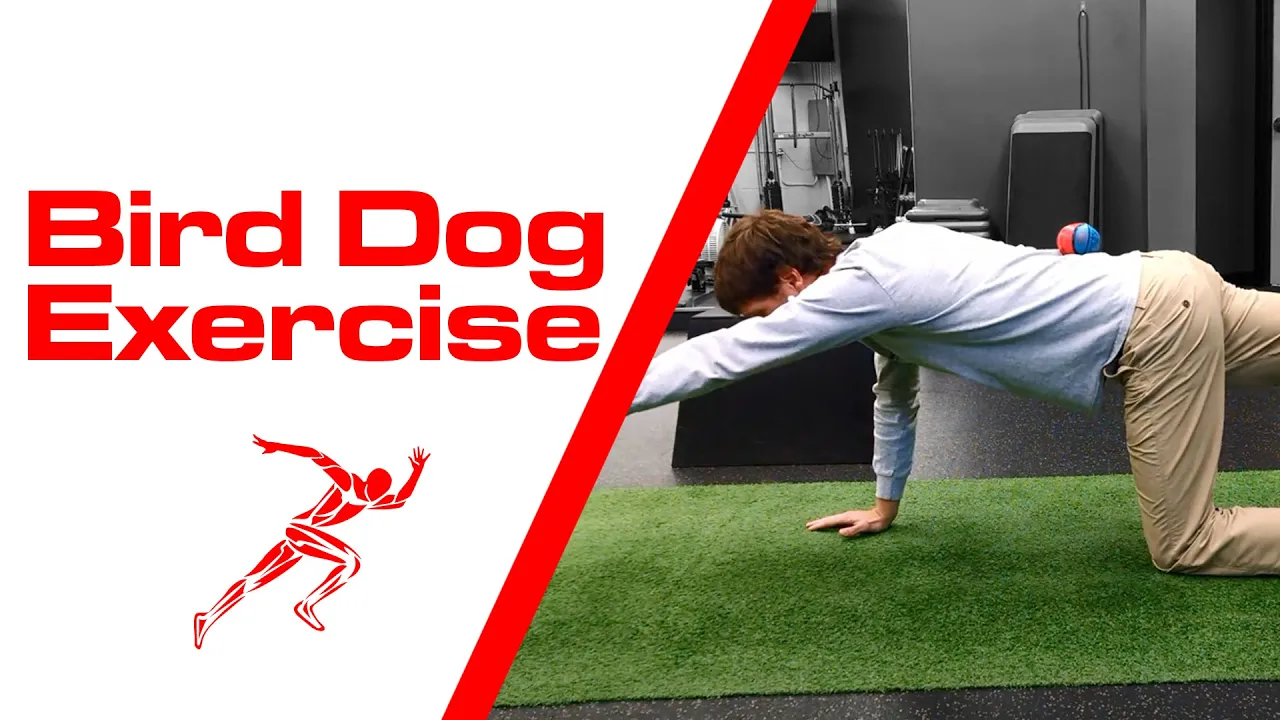
Find more carry variations and anti-rotation drills in Core Exercises.
Explore related demonstrations. These are options to explore, not automatic exercise progressions.

Common questions
Is this safe for low backs?
Often yes when done with good posture. Use lighter loads and shorter sets if you’re unsure.
How far should I walk?
Pick a distance/time that lets you stay tall the entire set—quality first.
Can I do this on a treadmill?
It’s usually better on solid ground for safety and control. If you do treadmill, go slow and be cautious.
Educational exercise information only. This is not an individualized treatment plan. Modify or stop any exercise that worsens symptoms, and seek appropriate professional guidance when needed.