
Slider Plank Walk
EPI video demonstration · Watch on YouTube
A challenging plank variation using sliders (or towels) to crawl forward/backward while maintaining trunk stiffness and shoulder control.
About this movement
Muscles Targeted
Rectus abdominis, transverse abdominis, obliques, serratus anterior, shoulder stabilizers, glutes.
Key Benefits
- High-demand anti-extension core strength
- Trains anti-rotation during movement
- Builds shoulder stability and endurance
- Scales by direction, distance, and tempo
Equipment Needed
Sliders, or towels/socks on a smooth floor.
Why This Variation Works
Sliders reduce friction and increase movement demands, forcing the trunk to resist extension and rotation while the shoulders stay stable.
When to Use It
Core finishers, athletic prep, and advanced plank progressions when you want a brutal full-core challenge.
How to perform Slider Plank Walk
How to Perform the Slider Plank Walk
- Start in a strong plank position on hands or forearms.
- Place feet on sliders (or towels).
- “Walk” forward/backward in small controlled steps.
- Keep ribs down, glutes tight, and hips level.
- Stop the set when form breaks.
Make every rep count
- Follow the setup and movement demonstrated in the video.
- Keep the movement controlled and adjust the range or load if your technique changes.
- Continue breathing normally and pause when you need to reset.
How to use it
Programming Options
- 15–30 seconds per set
- 2–5 sets
- Option: zig-zag pattern for more lateral demand
Explore related exercises
Related Core Exercises
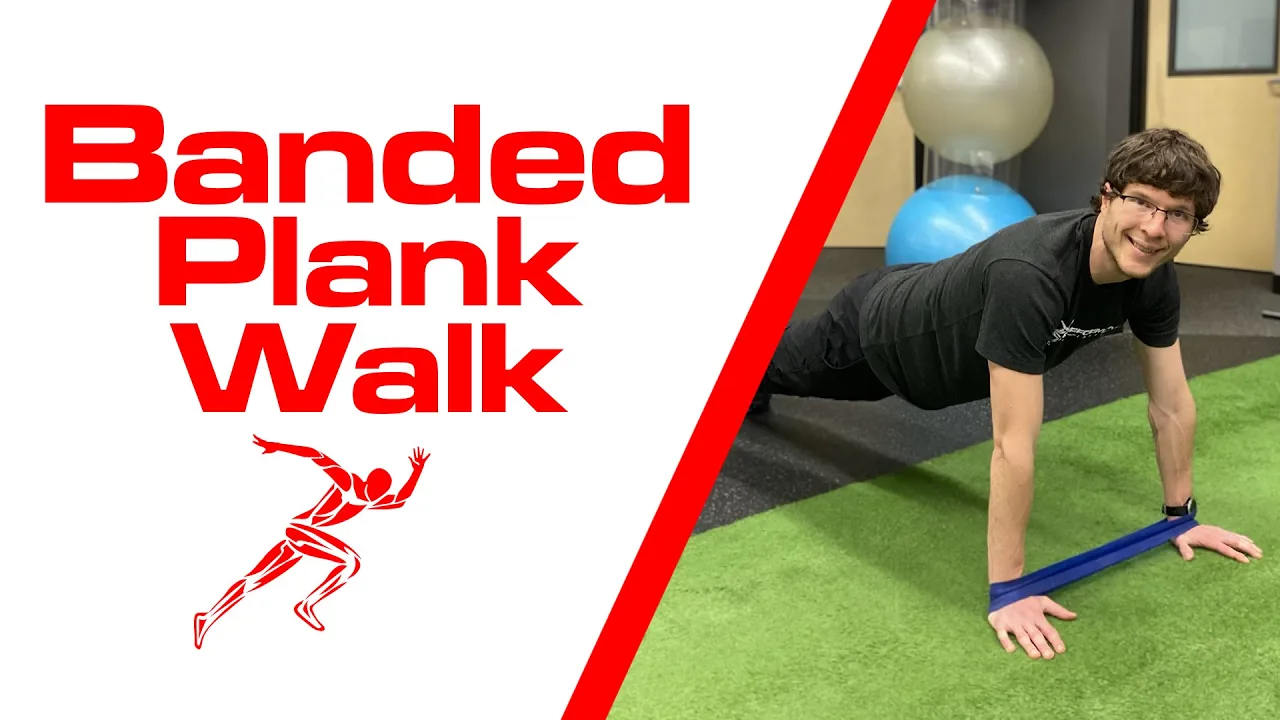
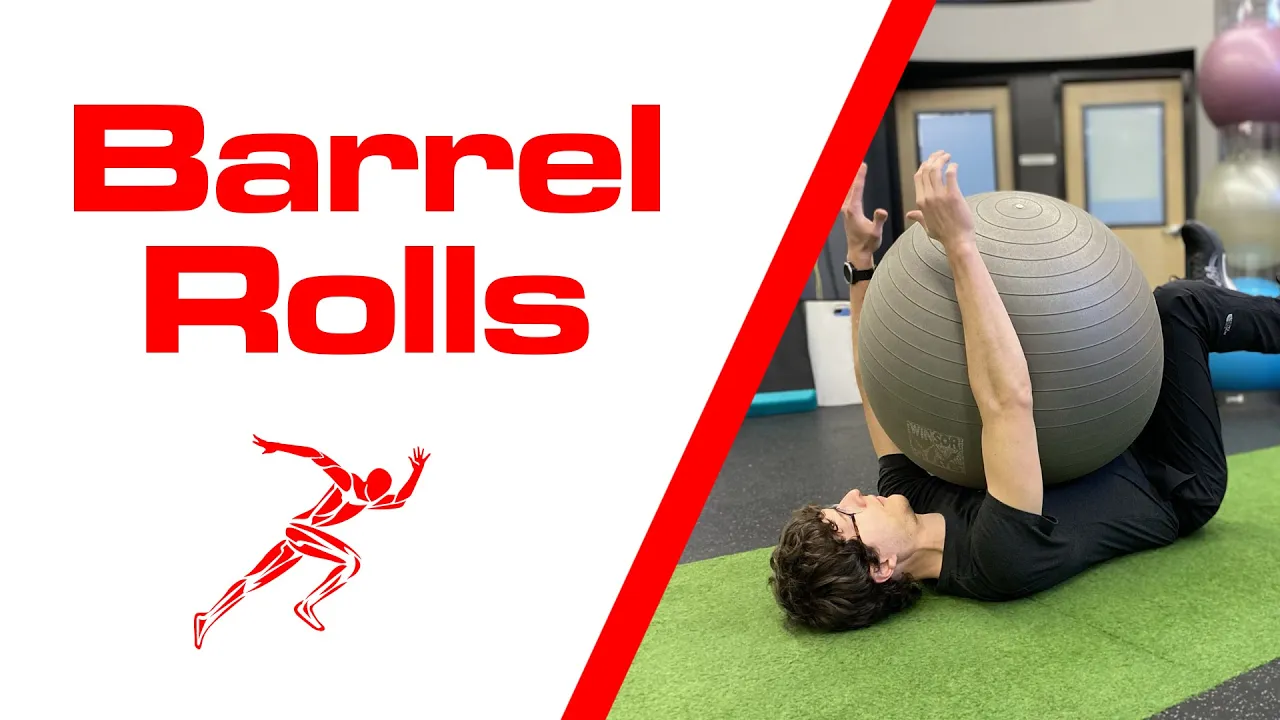
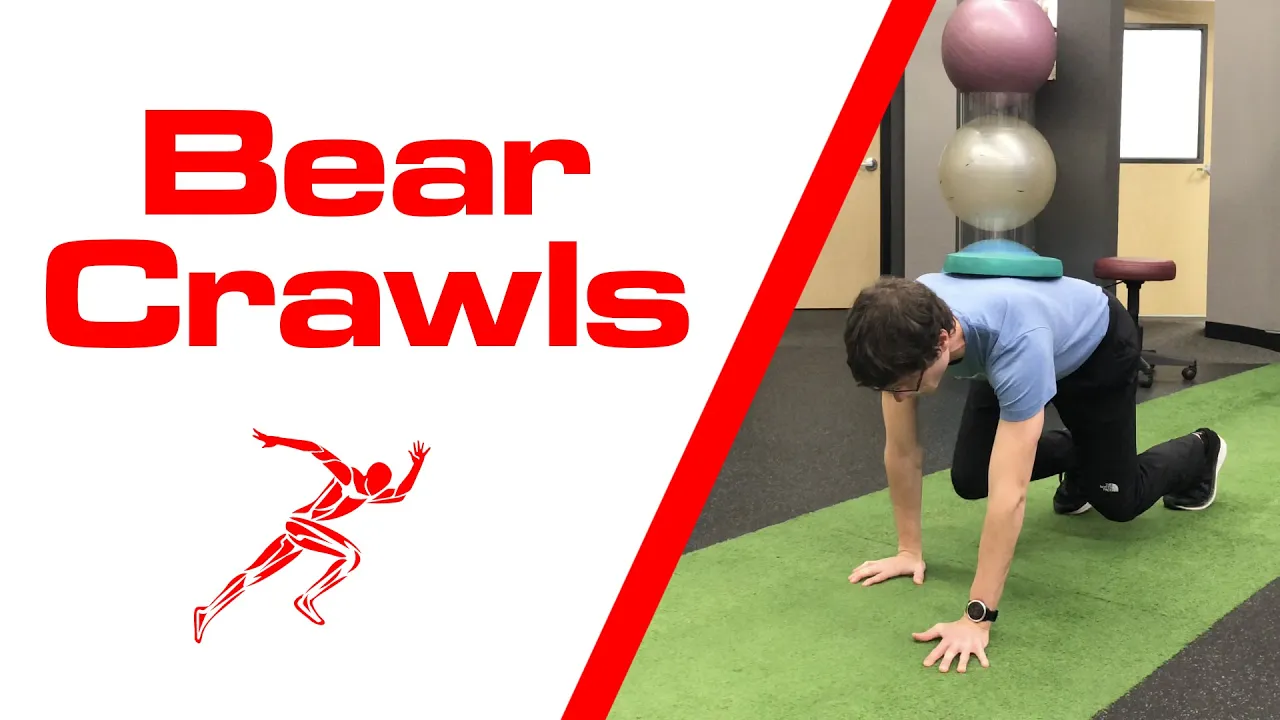
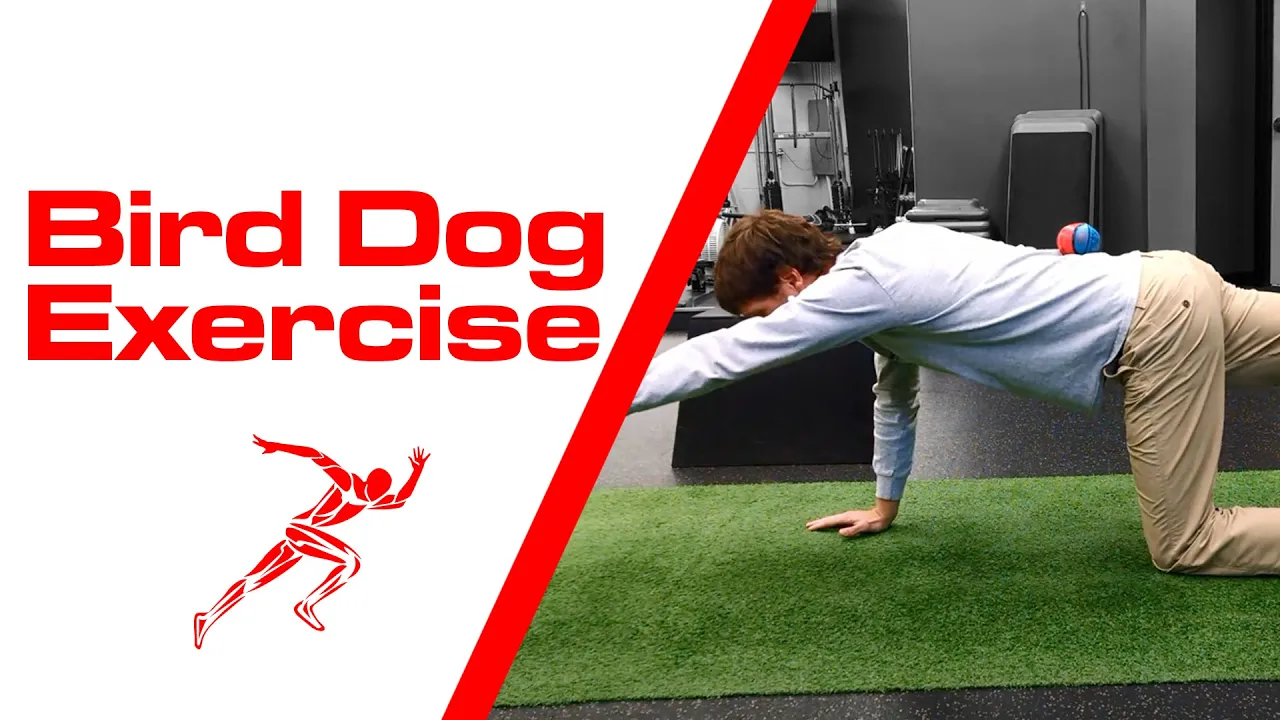
Explore more plank progressions in Core Exercises.
Explore related demonstrations. These are options to explore, not automatic exercise progressions.
Common questions
Should I do this on hands or forearms?
Both work. Forearms reduce wrist stress; hands add shoulder demand.
My low back feels it—what do I change?
Make the steps smaller, tighten glutes, and shorten the set. If needed, regress to a standard plank.
What surface works best?
Hardwood/tile is easiest. Carpet creates friction and can make form harder to maintain.
Educational exercise information only. This is not an individualized treatment plan. Modify or stop any exercise that worsens symptoms, and seek appropriate professional guidance when needed.