
Front Plank Variation: Front To Side
EPI video demonstration · Watch on YouTube
A slow, controlled plank flow rotating from front plank into side plank and back, training multi-plane trunk control, hip stability, and smooth transitions.
About this movement
Muscles Targeted
Obliques, transverse abdominis, glute med/min, shoulder stabilizers, and trunk muscles controlling rotation and lateral stability.
Key Benefits
- Builds rotational control without fast twisting
- Improves lateral core endurance and hip stability
- Trains smooth transitions under tension
- Great athletic carryover for multi-planar control
Equipment Needed
Mat or soft surface.
Why This Variation Works
Rotating between front and side positions trains multi-planar stability and teaches you to control the trunk and hips through transitions—key for athletes and runners.
When to Use It
Core circuits, advanced finishers, and athletic stability sessions when you want more than static planks without high-impact movement.
How to perform Front Plank Variation: Front To Side
- Start in a forearm front plank with strong bracing.
- Rotate slowly into a side plank while keeping hips high.
- Return to front plank under control.
- Alternate sides and keep transitions smooth.
- Stop if you can’t keep hips level and trunk steady.
Make every rep count
- Follow the setup and movement demonstrated in the video.
- Keep the movement controlled and adjust the range or load if your technique changes.
- Continue breathing normally and pause when you need to reset.
How to use it
Programming Options
- 4–10 slow transitions per side
- 2–4 sets
- Option: time-based sets (20–45 seconds)
Explore related exercises
Related Core Exercises
For more side plank and rotation-friendly progressions, browse Core Exercises.
Explore related demonstrations. These are options to explore, not automatic exercise progressions.
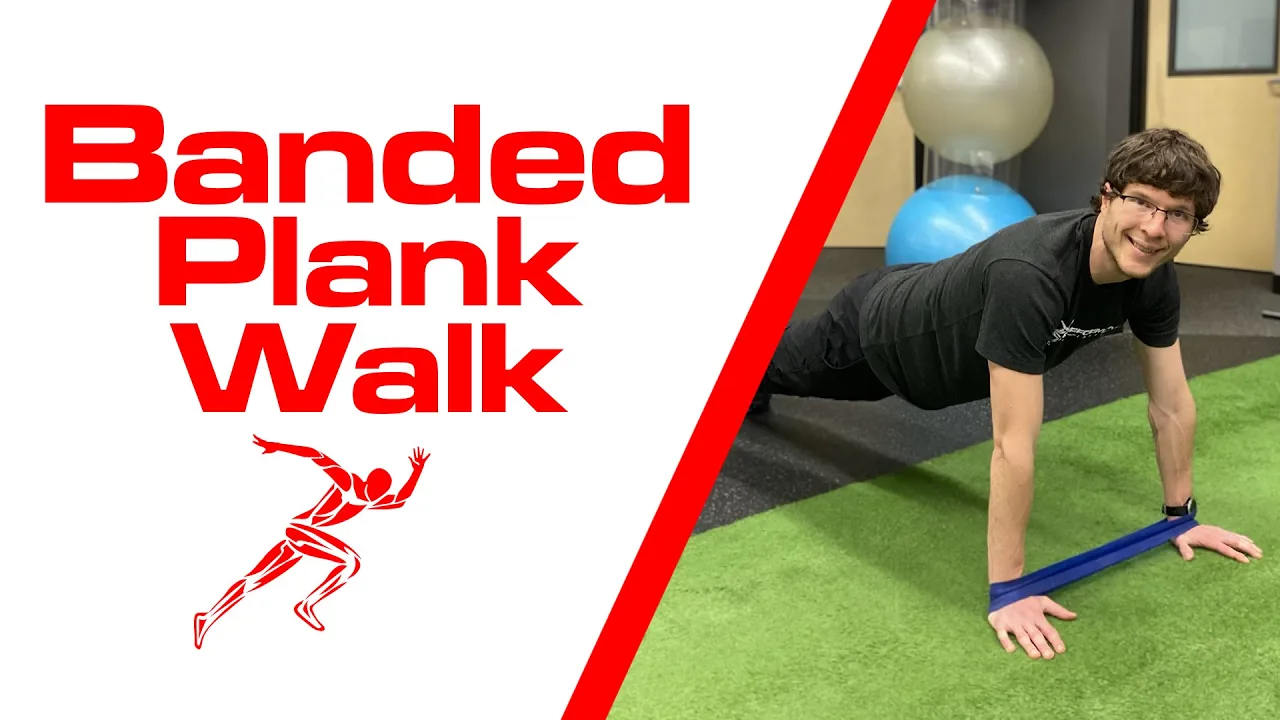
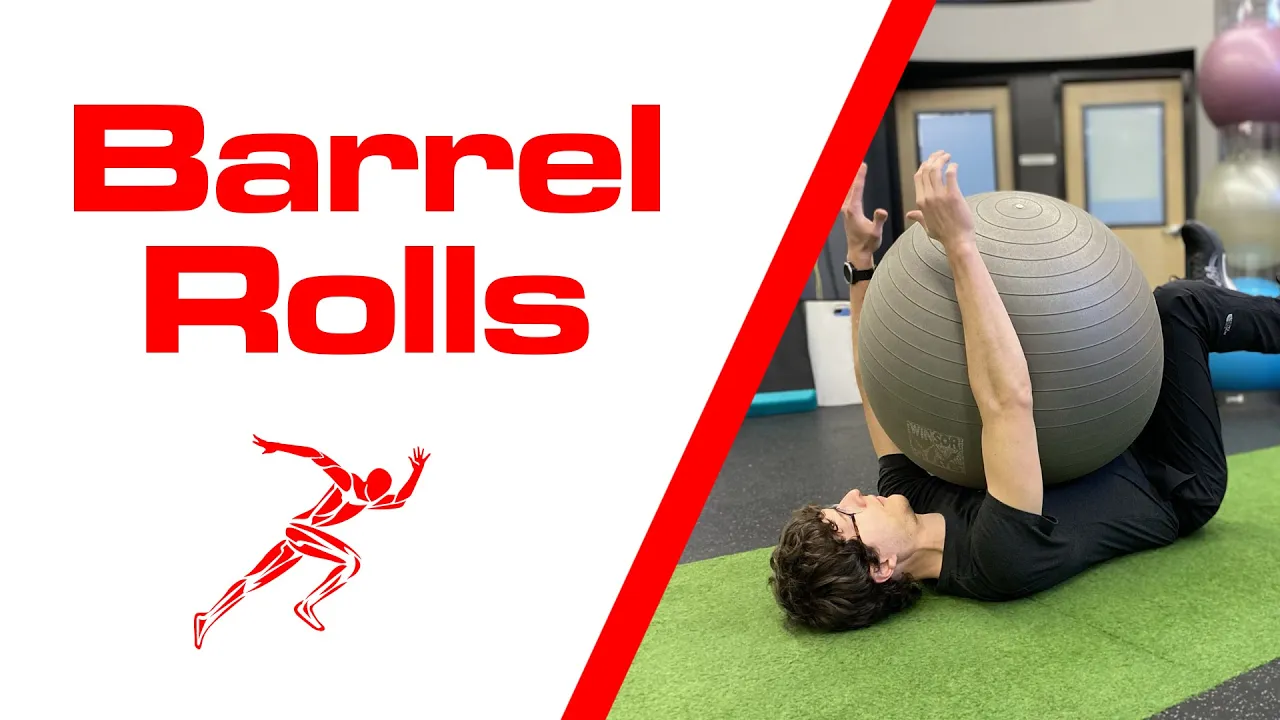

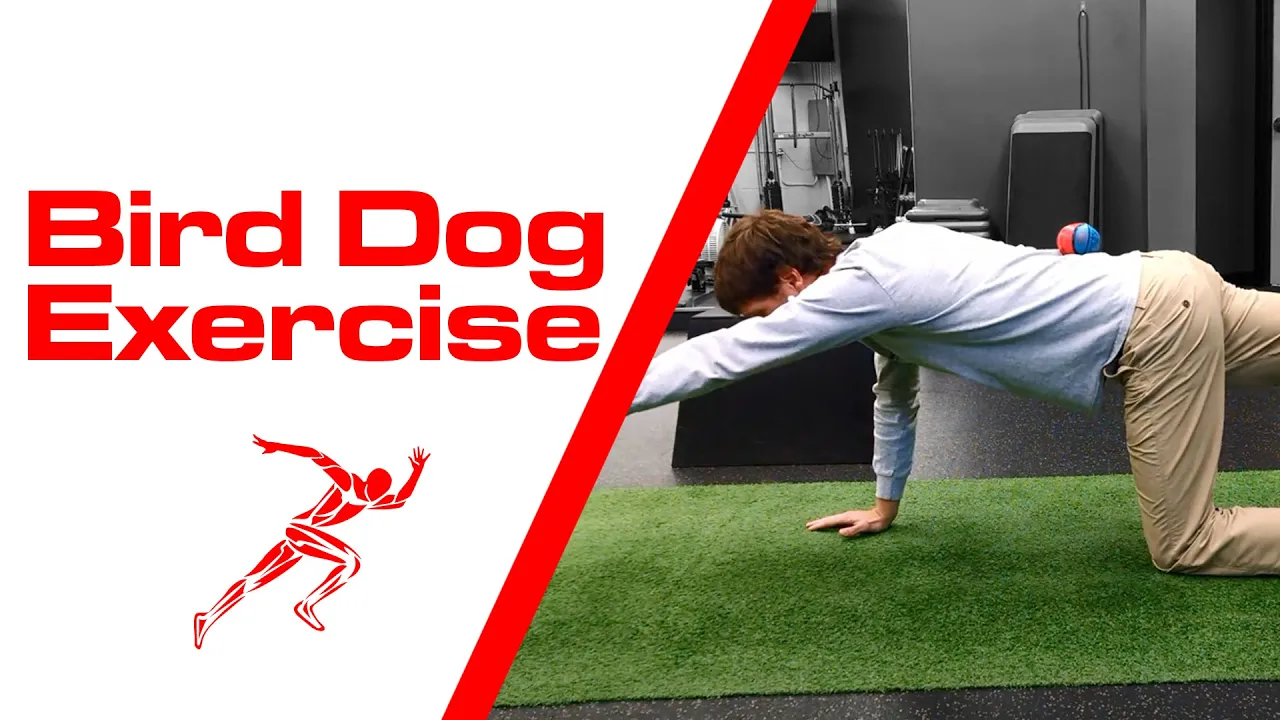
Common questions
Should I rotate fast or slow?
Slow. Fast transitions usually reduce control and increase compensation.
My shoulder feels tired first—normal?
Yes. The shoulder is a major limiter. Reduce volume, widen stance, and build up gradually.
How do I make it easier?
Do fewer reps, widen your base, shorten the side plank hold, or use a modified side plank setup as needed.
Educational exercise information only. This is not an individualized treatment plan. Modify or stop any exercise that worsens symptoms, and seek appropriate professional guidance when needed.