
Front Plank Variation: Body Saw
EPI video demonstration · Watch on YouTube
A moving plank progression where you rock forward and back with control, increasing anti-extension demands while maintaining a locked-in trunk position.
About this movement
Muscles Targeted
Anterior core (rectus abdominis, transverse abdominis), serratus anterior, shoulder stabilizers, and glutes for pelvic control.
Key Benefits
- Increases anti-extension demand beyond static planks
- Builds shoulder endurance with strong trunk control
- Scales easily by changing rocking range
- Great progression without spinal flexion/extension reps
Equipment Needed
Mat or soft surface. Optional: a magazine/flat object on the back for feedback.
Why This Variation Works
The rocking motion changes lever length and load through the shoulders and trunk, forcing the core to resist extension dynamically rather than just “holding still.”
When to Use It
Core finishers, athletic prep, and plank progressions when you want a high challenge with low equipment requirements.
How to perform Front Plank Variation: Body Saw
- Set up in a strong forearm plank.
- Brace and keep ribs down, glutes engaged.
- Rock forward and back slowly as one unit.
- Keep spine and pelvis steady—no sagging or piking.
- Use a small range first, then progress the range if quality stays high.
Make every rep count
- Follow the setup and movement demonstrated in the video.
- Keep the movement controlled and adjust the range or load if your technique changes.
- Continue breathing normally and pause when you need to reset.
How to use it
Programming Options
- 20–40 seconds continuous rocking
- 2–4 sets
- Progress by increasing range or time
Explore related exercises
Related Core Exercises
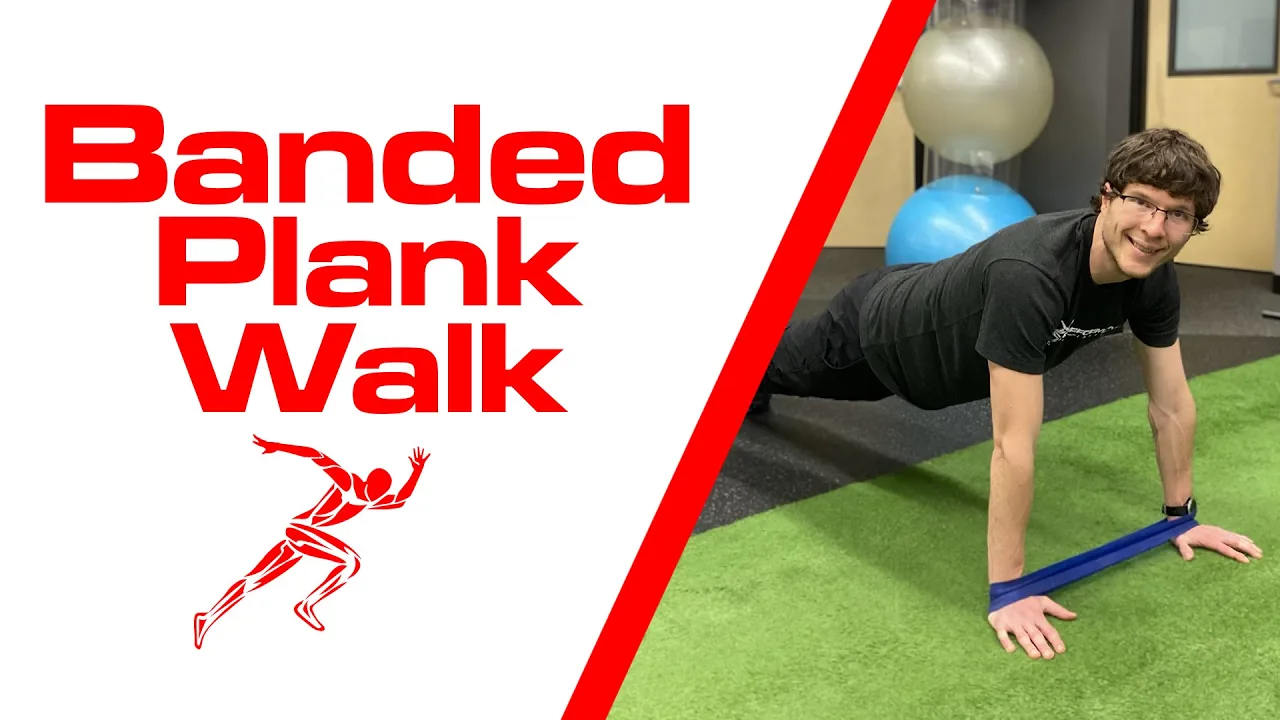
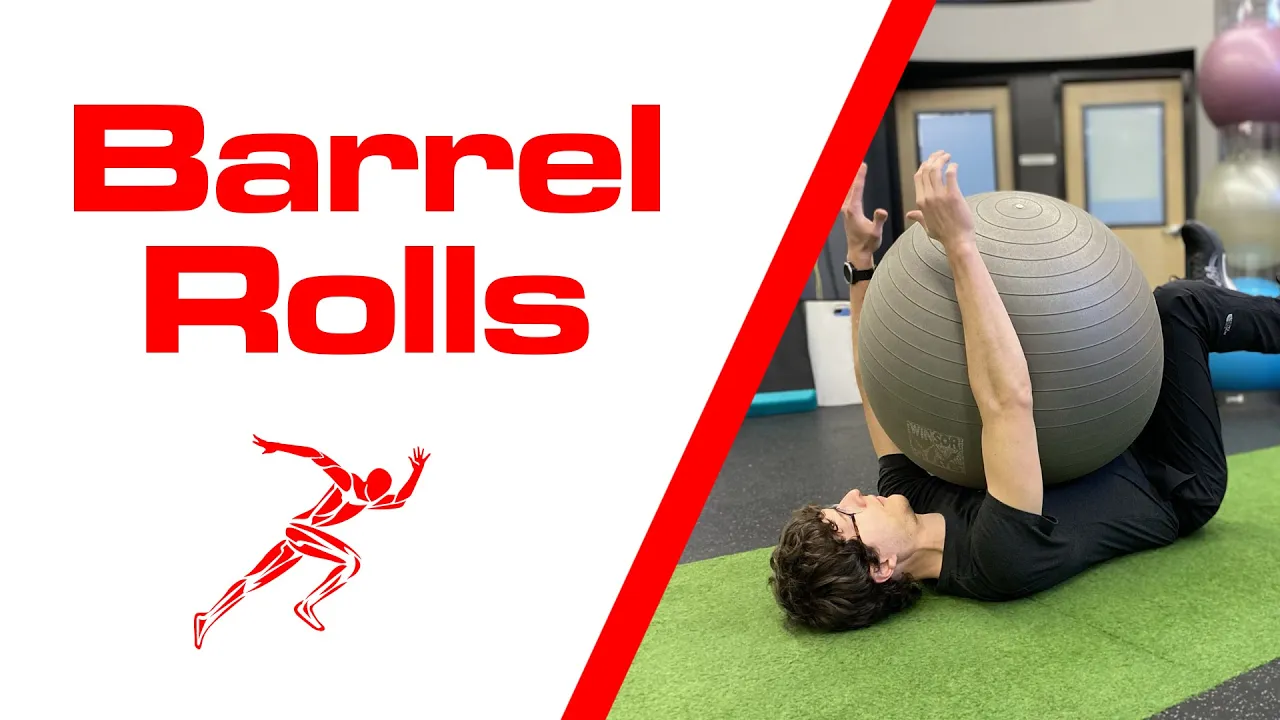
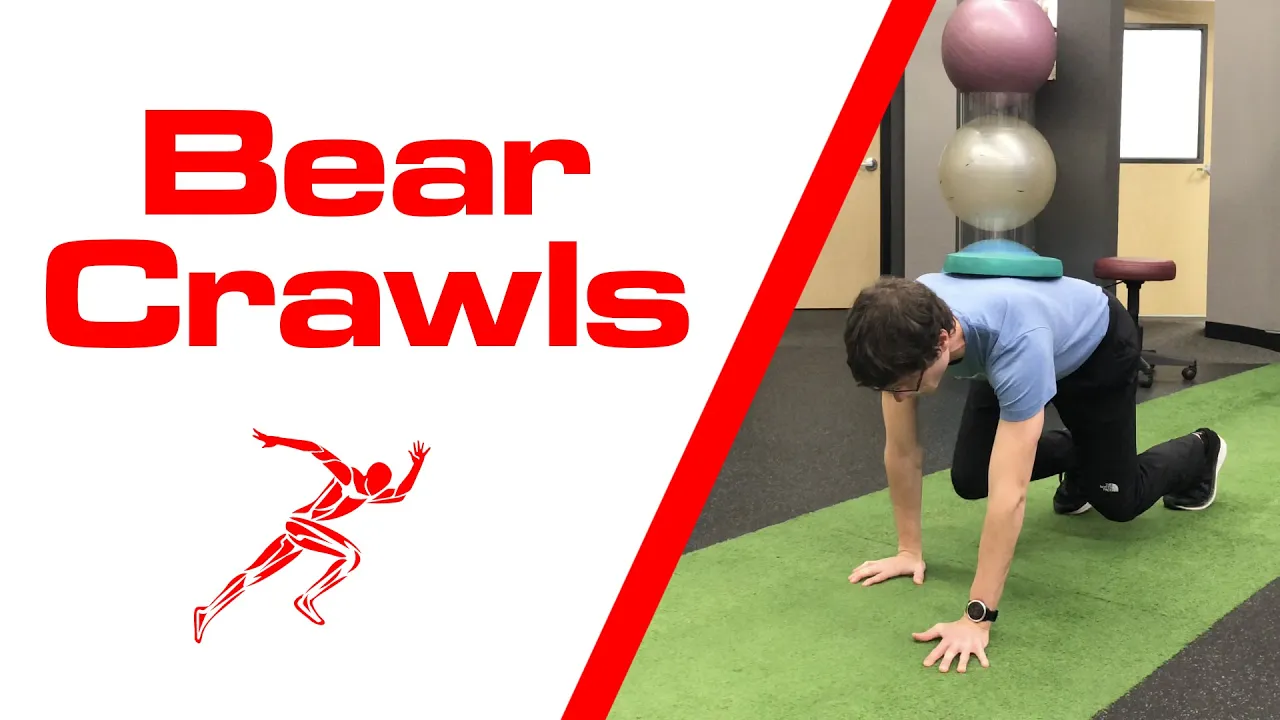
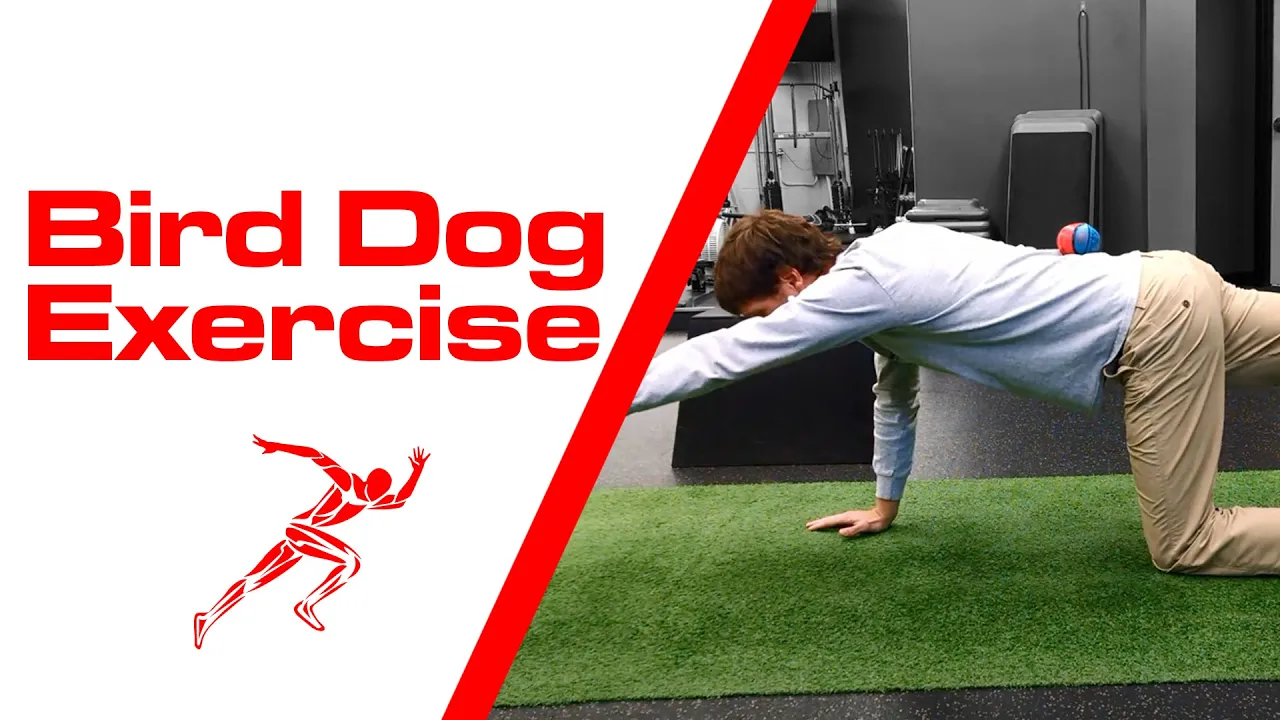
For more plank progressions, visit Core Exercises.
Explore related demonstrations. These are options to explore, not automatic exercise progressions.
Common questions
How fast should I rock?
Slow and controlled. Faster usually turns into momentum and decreases trunk control.
What’s the magazine cue?
Place a magazine/flat object on your back. If you wobble or change alignment, it will move—great feedback.
Should I feel this in my low back?
You should mostly feel abs and shoulders. If low back takes over, reduce range and re-brace with ribs down.
Educational exercise information only. This is not an individualized treatment plan. Modify or stop any exercise that worsens symptoms, and seek appropriate professional guidance when needed.