
Thoracic Rotation Open Book
EPI video demonstration · Watch on YouTube
Classic side-lying “open book” rotation to gently improve thoracic mobility while keeping the low back supported and the movement slow and controlled.
About this movement
Muscles Targeted
Thoracic rotators, posterior rib cage mobility, scapular control muscles.
Key Benefits
- Improves thoracic rotation with low stress
- Easy to keep the low back from compensating
- Great for desk posture and overhead mechanics
- Excellent daily reset drill
Equipment Needed
Optional: foam roller/pillow between knees for comfort and to reduce hip movement.
Why This Variation Works
Side-lying support limits unwanted movement, so rotation is more likely to come from the thoracic spine rather than the low back.
When to Use It
Morning stiffness, desk breaks, warm-ups before lifting/throwing, or as a nightly mobility reset.
How to perform Thoracic Rotation Open Book
- Lie on your side with hips and knees bent.
- Keep the top knee supported so the pelvis stays stacked.
- Reach the top arm across, then rotate open toward the floor behind you.
- Follow your hand with your eyes and breathe.
- Return slowly and repeat, then switch sides.
Make every rep count
- Follow the setup and movement demonstrated in the video.
- Keep the movement controlled and adjust the range or load if your technique changes.
- Continue breathing normally and pause when you need to reset.
How to use it
Programming Options
- 1–2 sets of 6–10 reps/side
- Or 45–60 seconds/side with slow breathing
- Great before rotation-based training
Explore related exercises
Related Thoracic Mobility Exercises
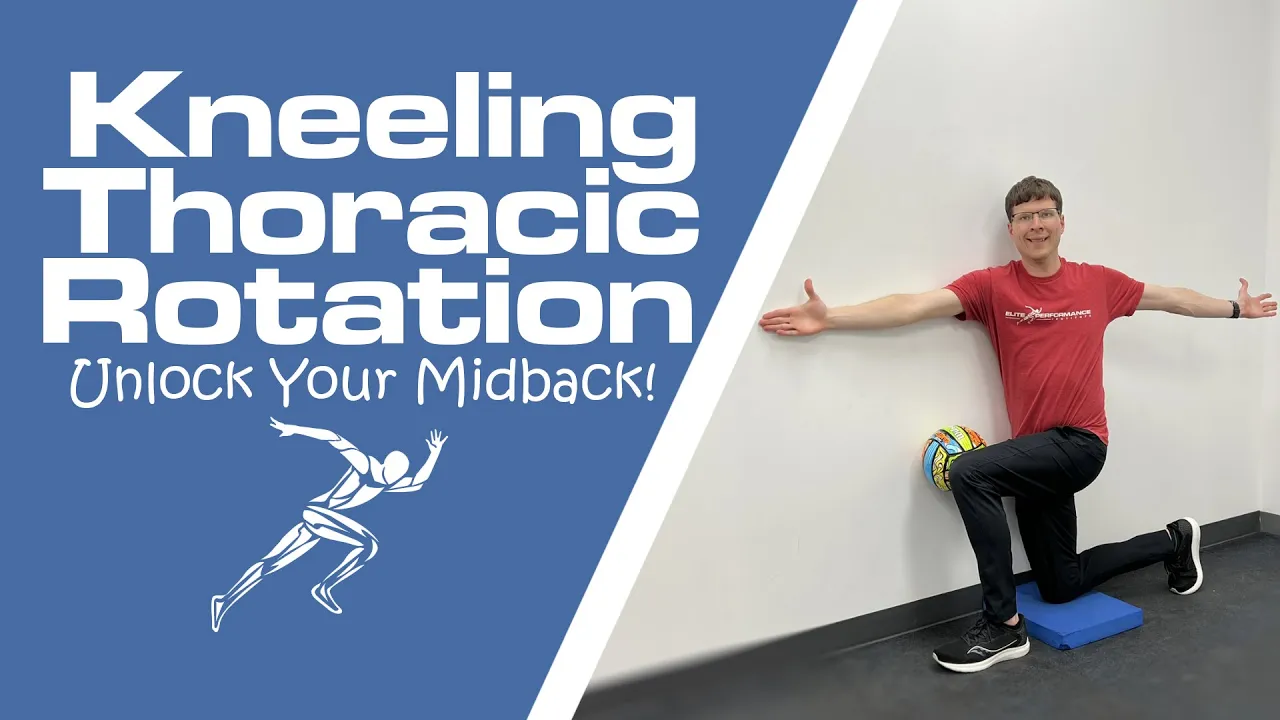
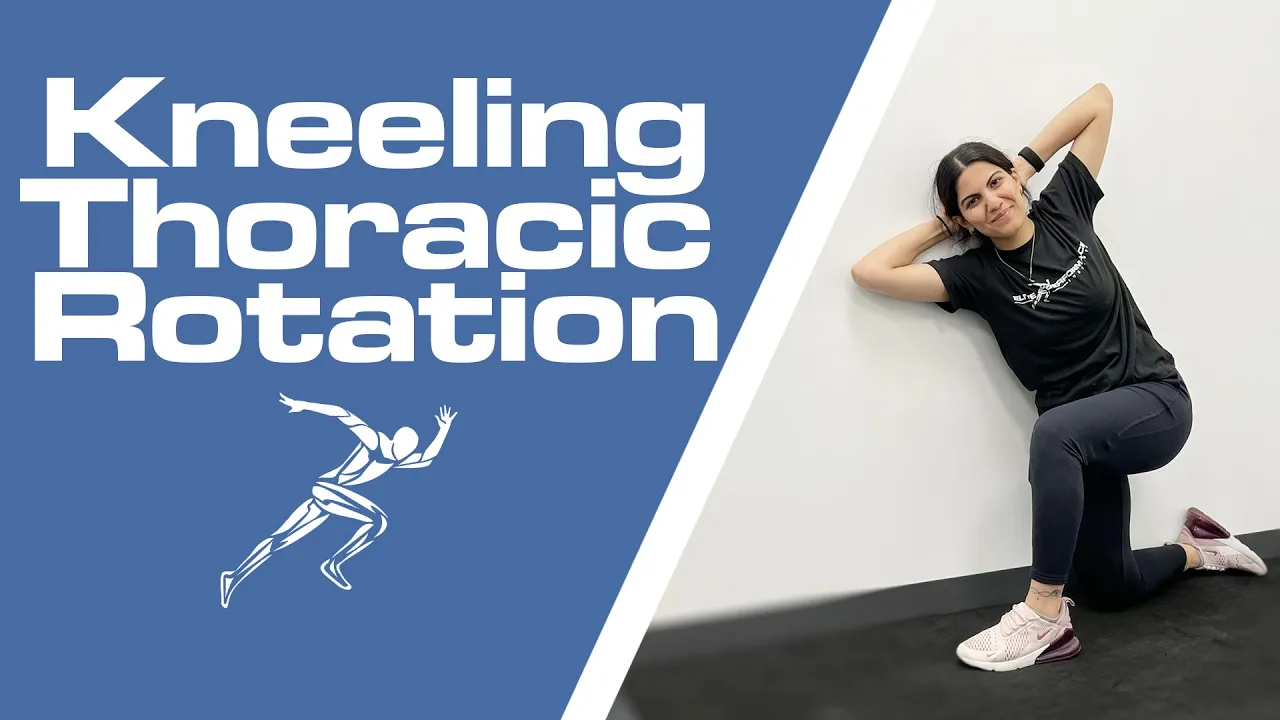
Explore the Thoracic Mobility category for kneeling rotations and thread-the-needle.
Explore related demonstrations. These are options to explore, not automatic exercise progressions.
Common questions
Should my top knee lift?
Try to keep it down/supported. If it lifts, you’re usually rotating through the hips instead.
How long should I pause?
1–3 breaths at end range is a great starting point.
What if my shoulder feels tight?
Reduce range and focus on breathing—don’t force the arm to the floor.
Educational exercise information only. This is not an individualized treatment plan. Modify or stop any exercise that worsens symptoms, and seek appropriate professional guidance when needed.
Equipment options
Amazon affiliate links. As an Amazon Associate I earn from qualifying purchases. Use suitable equipment you already own, or explore these options.
Standard foam roller.