
Nordic Hamstring Curls
EPI video demonstration · Watch on YouTube
High-level eccentric hamstring training using an anchored heel setup—one of the best options for sprinting strength and deceleration capacity.
About this movement
Muscles Targeted
Hamstrings (very high eccentric demand), plus trunk and glute support for alignment.
Key Benefits
- Gold-standard eccentric hamstring strength builder
- Strong carryover to sprinting and high-speed running
- Improves deceleration capacity and posterior-chain resilience
- No weights needed—just a solid anchor
Equipment Needed
Anchor (partner, couch, loaded barbell, low rack) + knee pad.
Why This Variation Works
Nordics overload the hamstrings eccentrically at long muscle lengths—exactly where athletes often get strained during sprinting.
When to Use It
Sprint athletes, field sports, runner strength phases, and hamstring resilience blocks (typically 1–2x/week).
How to perform Nordic Hamstring Curls
- Anchor ankles securely and kneel tall on a pad.
- Brace trunk and keep a straight line from shoulders to knees.
- Lower forward under control as long as you can maintain tension.
- Catch with hands when needed and reset back to start.
- Quality reps only—don’t dive.
Make every rep count
- Follow the setup and movement demonstrated in the video.
- Keep the movement controlled and adjust the range or load if your technique changes.
- Continue breathing normally and pause when you need to reset.
How to use it
Programming Options
- 2–4 sets of 3–6 reps
- Rest 2–3 minutes between sets
- Progress by increasing controlled range before increasing reps
Explore related exercises
Related Hamstring Exercises
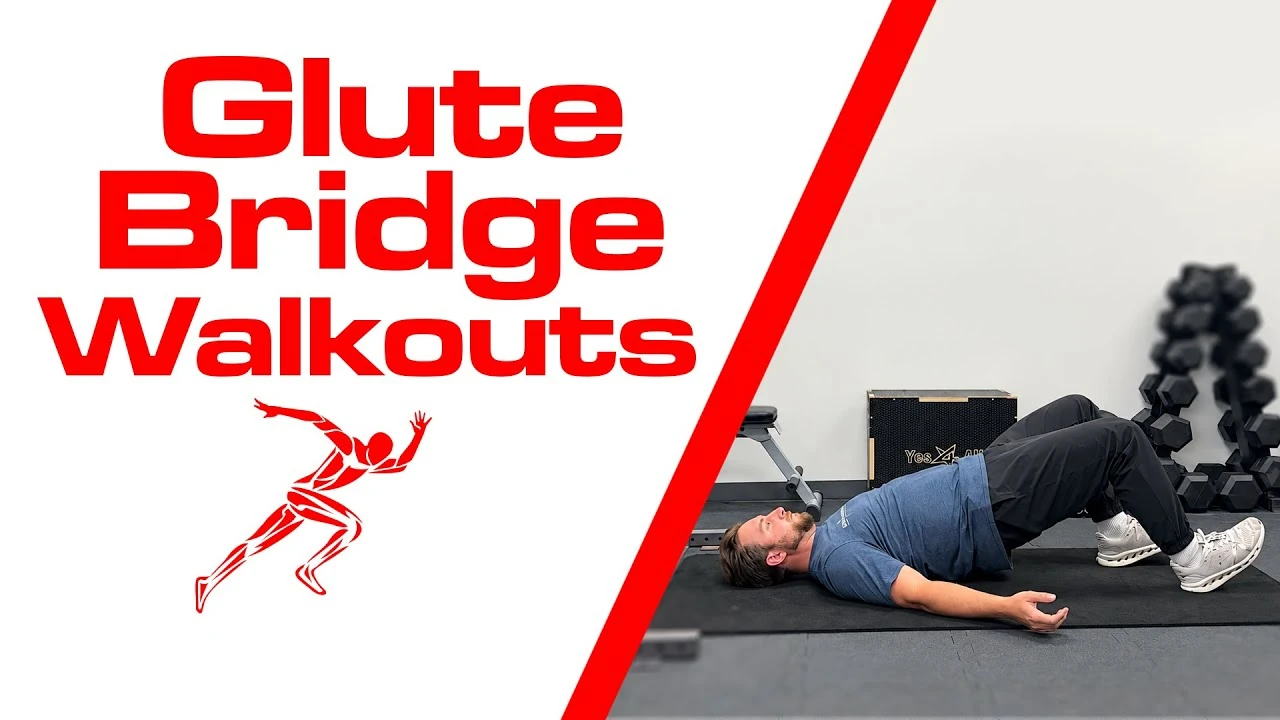
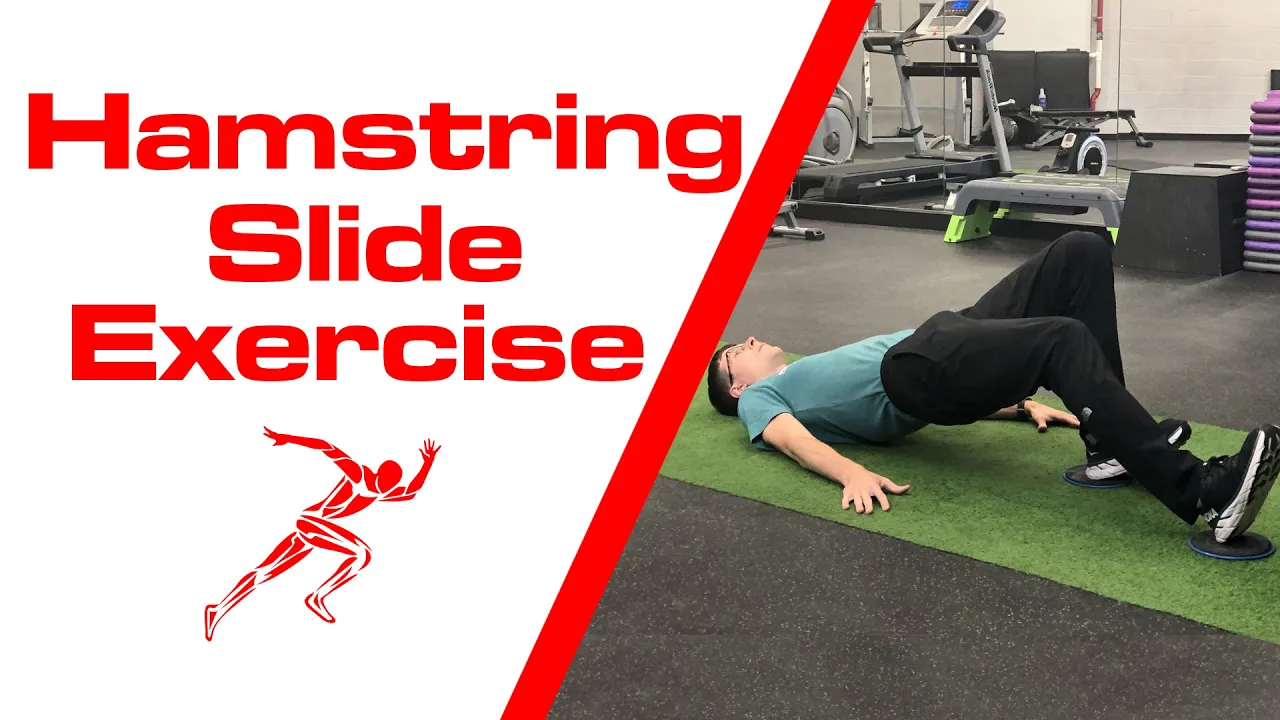
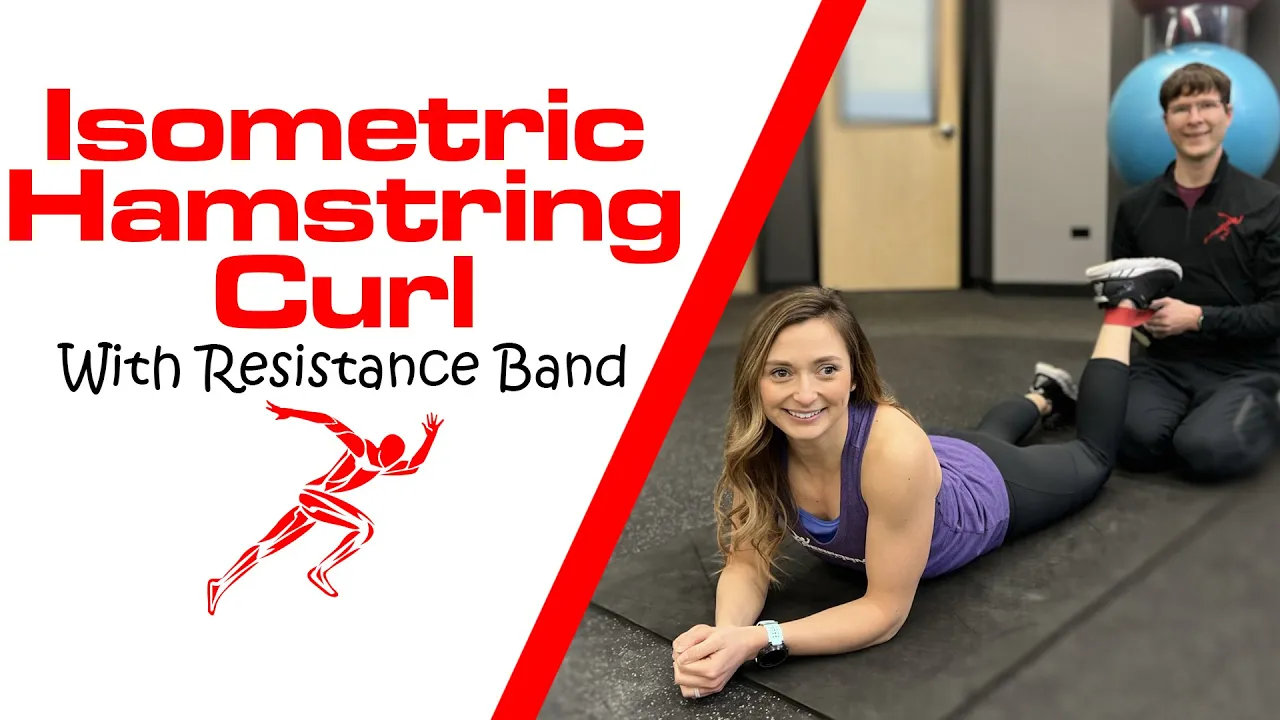
Explore the Hamstring Exercises category for mini-range Nordics, isometric holds, and Swiss ball options.
Explore related demonstrations. These are options to explore, not automatic exercise progressions.

Common questions
What if I can only lower a few inches?
That’s normal. Own that range first, then gradually extend your controlled range over time.
How sore will I be?
Often very sore early on. Start conservatively and keep total volume low at first.
Can I do these in-season?
Yes, but usually with reduced volume and careful placement away from high-speed days.
Educational exercise information only. This is not an individualized treatment plan. Modify or stop any exercise that worsens symptoms, and seek appropriate professional guidance when needed.