
Side-Lying Hip Abduction
A classic glute med builder with multiple progressions—great for learning the “no TFL takeover” setup and building lateral hip endurance.
EPI video demonstration · Watch on YouTube
Muscles Targeted
Gluteus medius/minimus, lateral hip stabilizers, and (secondary) deep core stabilizers.
Key Benefits
- Builds a clean lateral hip strength base
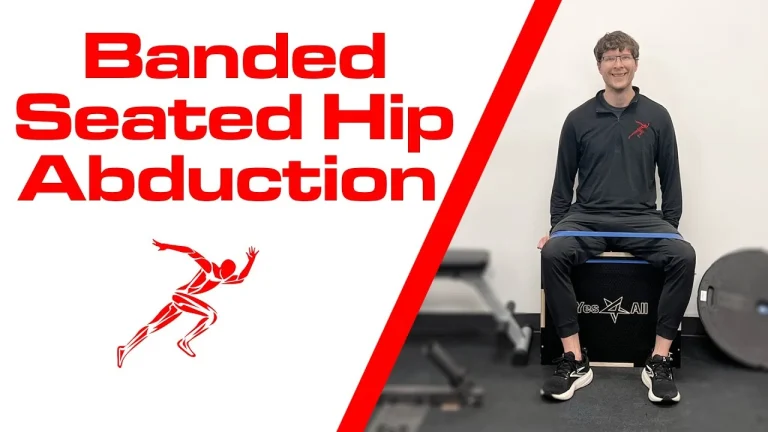
- Easy to progress (band, wall, slider, bench, ankle weight)
- Improves pelvic control for single-leg work
- Great option when standing drills irritate symptoms
Equipment Needed
None required. Optional band, wall, slider, Swiss ball, or ankle weight depending on variation.
How to Perform
- Lie on your side with hips stacked and core gently braced.
- Keep the top leg straight and slightly behind your body line.
- Lift the leg a few inches with control (no swinging).
- Pause briefly at the top.
- Lower slowly and repeat, then switch sides.
Programming Options
- 2–4 sets of 10–20 reps per side
- Or 2–3 sets of 25–45 seconds per side
- Progress by adding a pause or light ankle weight
Why This Variation Works
Side-lying positions reduce balance demands so you can focus on pure hip abduction strength and endurance—especially useful for rebuilding control.
When to Use It
Warm-ups, rehab, and accessory work when you want focused glute med strengthening with minimal equipment.
Related Glute Exercises
More lateral hip drills are in Glute Exercises.
Frequently Asked Questions
Why do I feel this in the front of my hip?
Try lifting lower, keep the leg slightly behind you, and rotate toes slightly down.
How high should I lift?
Only a few inches if you keep it strict—too high usually turns it into a compensation rep.
What’s the best progression?
Add a pause first, then band or ankle weight once you can control the movement without hip rotation.
More exercises in this collection
Explore other videos in Glute Exercises. These movements are related by category, not necessarily direct progressions.


Educational exercise information only. This is not an individualized treatment plan. Modify or stop any exercise that worsens symptoms, and seek appropriate professional guidance when needed.